If you picture stepping from your back porch onto a boat and slipping out to the flats at sunrise or the reef by mid‑morning, Sugarloaf Key may fit your lifestyle. Choosing the right home here is about more than a view. It is about water depth, channel access, and the right dock for your boat. In this guide, you will learn how Sugarloaf’s ramps, canals, and permits work so you can buy with confidence and enjoy more time on the water. Let’s dive in.
Why Sugarloaf Key works for boaters
Sugarloaf Key forms a U shape with waterways that make both backcountry and reef runs easy. Upper Sugarloaf Sound and Park Key sit inside the U, and Bow Channel and nearby passes link you to the bay side and the Atlantic. That layout gives you quick runs to mangrove flats and clear routes to the reef. To get a feel for the local geography and channels, explore a simple overview of Sugarloaf Key.
You are also close enough to Key West and Cudjoe Key to tap their services without giving up Sugarloaf’s quieter vibe. For many boaters, that balance is the point. You get laid‑back living at home and options nearby when you need them.
Everyday boat access: ramps and marinas
Local access on Sugarloaf is simple and small scale. That is part of its charm. It also means you should plan ahead, especially on weekends and during tarpon season.
- Sugarloaf Marina. Located near Sugarloaf Lodge on Overseas Highway, the marina offers a single paved ramp lane, non‑ethanol fuel, a small store, and basic services. Trailer parking can be tight at peak times, so arrive early and confirm hours and fees with the marina. See current info at Sugarloaf Marina.
- Other nearby ramps and marinas. The Sugarloaf KOA campground ramp is another local option. If you need alternatives, Cudjoe Gardens Marina on Cudjoe Key and Dolphin Marina in the Lower Keys are within a short drive. For a broader look at ramp locations across the Keys, use the FWC Boating and Angling Guide.
- Pump‑out service. Monroe County operates a Marina Pump‑Out Program and many marinas participate. Before you commit to a slip or routine, confirm how pump‑outs are handled at your dock or marina and how often the service runs in your area. Learn more from the county’s Marina Pump‑Out Program.
If you need haul‑out or major repairs, plan to head for Marathon or Key West, where larger facilities, travel lifts, and full‑service yards are concentrated. A quick Keys overview of marina and yard options is available here: Florida Keys marinas and boatyards.
Backcountry and reef in easy reach
From Sugarloaf, you can fish classic Lower Keys backcountry or run to nearby reef sites on a single tank of fuel. On the flats, you will see skiffs poling for bonefish, permit, and redfish. In deeper water, you can target snapper and grouper on the reef and head farther on the right weather window for pelagics.
When you visit reef sites, use the sanctuary’s mooring buoys in designated Sanctuary Preservation Areas. They protect the reef and make anchoring simple. You can review buoy locations and SPA zones through the sanctuary’s mooring buoy map.
Sugarloaf’s backcountry also includes idle‑speed and no‑entry areas that protect wildlife. Expect to follow posted signs and sanctuary rules in these zones. Plan your routes with charts, watch tides, and use a local guide when you first explore shallow or complex flats.
Dock types and permits made simple
Residential docks in the Keys are designed to protect seagrass and nearshore habitat. As a buyer, your goal is to match your boat to a property that already fits within these rules or can be improved reasonably within them.
Here are the basics you should know:
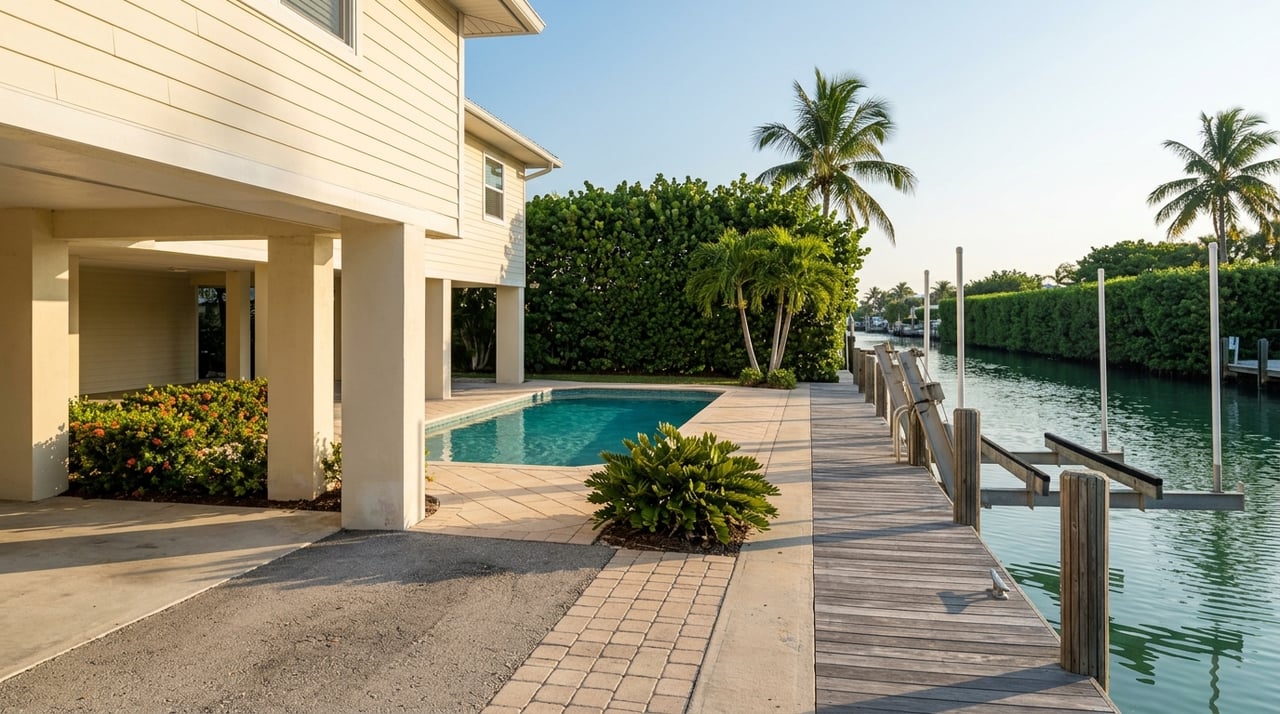
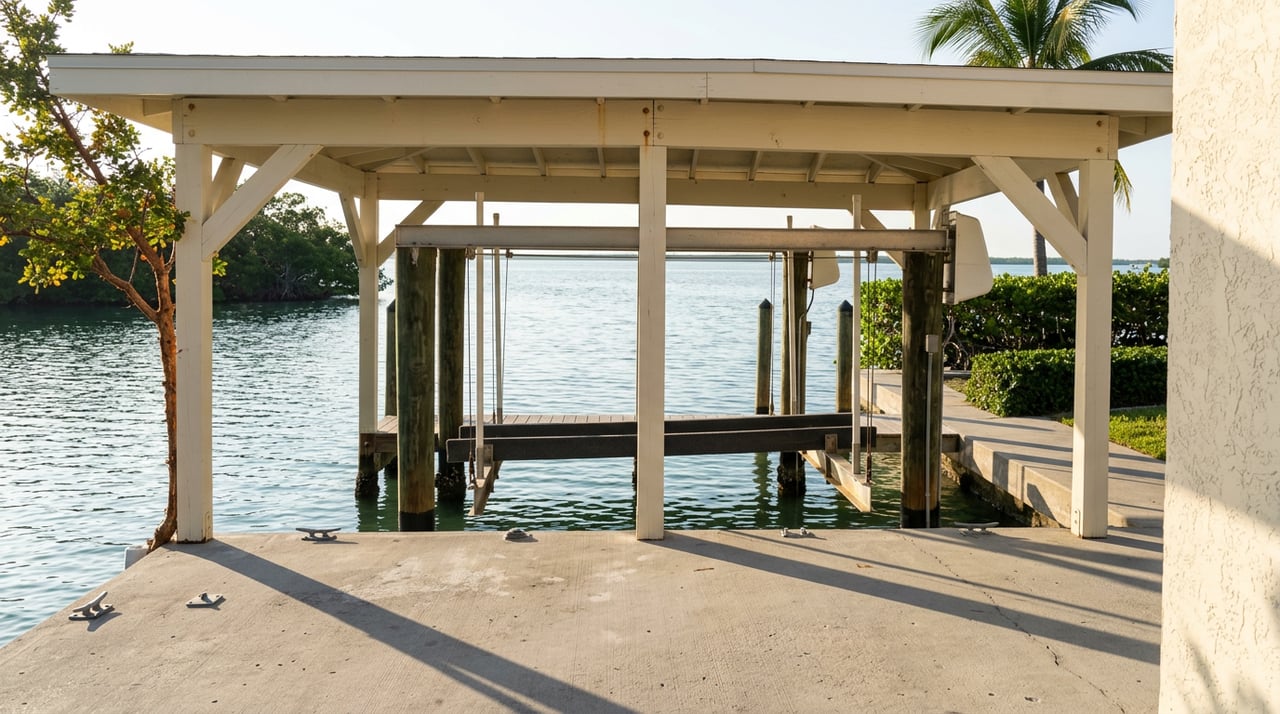
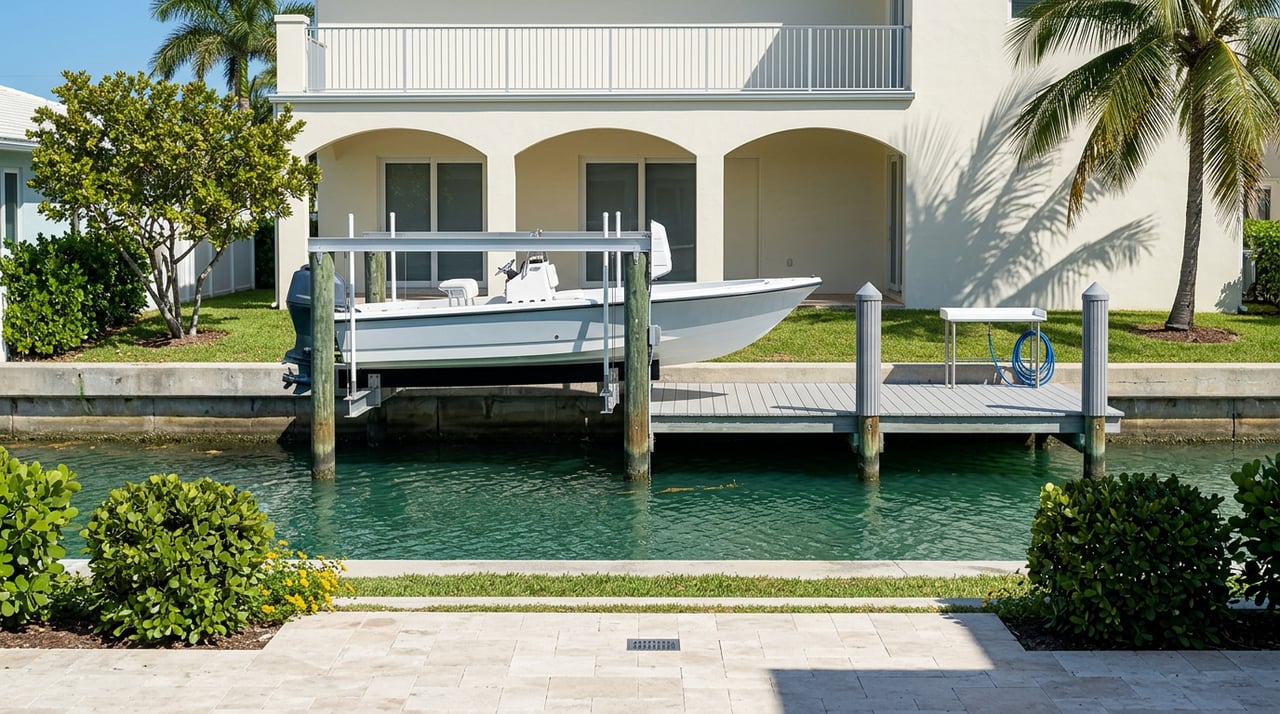
- Typical private docks are compact. Expect a narrow walkway, a small finger pier or a T or L head, often with a single boat lift. Larger marina‑style docks are rare on single‑family lots.
- Numeric limits matter. Florida’s dock siting policy often caps walkway width near 4 feet, limits terminal platforms to about 160 square feet, and expects terminal ends to be in water at least about minus 4 feet at mean low water unless you can justify more. Docks also should not preempt more than 20 percent of a waterway width or 500 feet. Review the state’s rules summarized here: Florida dock siting policy.
- Multi‑agency permits. Docks, lifts, and seawalls usually require review by the state, Monroe County, the Florida Keys National Marine Sanctuary, and often the U.S. Army Corps of Engineers. Projects over seagrass or sensitive bottoms can trigger extra studies and specific construction details. See the sanctuary’s overview of nearshore construction permits.
- Seagrass‑friendly design. Where seagrass is present, reviewers often require grated or synthetic decking that lets light through, a higher deck elevation above mean high water, and careful pile spacing. These are predictable conditions that protect habitat and help your project succeed. Read a simple permitting summary of these treatments here: Keys dock permitting basics.
What does this mean for you? Most Sugarloaf homes with private docks are best for flats boats, bay boats, and center consoles with shallow drafts. Deeper draft yachts usually belong in a marina slip with deeper access. Dredging to create depth for a private dock is tightly limited, so depth at mean low water is a key data point.
Buyer checklist for boat‑ready property
Use this quick checklist before you fall in love with a view. The right questions protect your budget and your boating plans.
- Riparian and docking rights. Do not assume waterfront equals docking rights. Ask for the deed, title work, and any HOA or recorded easements. If a dock exists, request copies of permits and as‑built plans.
- Depth at mean low water. Hire a local surveyor or do a careful depth check and compare it to your boat’s draft. Aim for at least a foot of clearance between the keel or prop and the bottom at mean low water. If the numbers do not work, a different boat or a marina slip may be the answer.
- Fit to state rules. Check whether your intended boat fits within typical private dock limits, including expected depth near minus 4 feet at mean low water and size caps on platforms and walkways. See the summarized standards in the Florida dock siting policy.
- Utilities at the dock. Confirm shore power, fresh water, protected tie‑up pilings, and the condition and height of any lift. These details affect insurance, safety, and daily ease.
- Pump‑out and fuel plan. Ask how pump‑outs are handled at your location and review county resources for routine service. Start with the Monroe County Pump‑Out Program.
- Flood and hurricane planning. Sugarloaf sits in high coastal risk zones. Review current FEMA and county map updates, base flood elevations, and insurance needs early. Begin with Monroe County’s preliminary coastal flood maps. Also ask marinas about their hurricane rules if you will rely on a slip.
If a planned dock change or new lift is part of your purchase goal, talk with a permitted marine contractor and a local agent before you write an offer. That conversation can clarify scope, timeline, and whether the parcel is likely to meet permit tests.
Which boats fit Sugarloaf best
Most Sugarloaf residential canals and nearshore flats are shallow at low tide. Boats that shine here include flats skiffs, bay boats, small walkarounds, and many center consoles with shallow drafts. Larger center consoles in the 30‑foot plus range can work on some parcels with deeper approaches, but you must verify depth and turning room.
If you own a deep‑draft yacht or plan long‑range cruising with frequent service needs, your best setup is usually a deeper marina slip in Marathon or Key West. Those areas concentrate transient slips, repair yards, and travel‑lift haul‑outs. See a regional snapshot of Florida Keys marinas and boatyards.
Sugarloaf vs nearby Keys
When dockage and service options matter, a quick comparison helps you choose the right island for your boat.
- Sugarloaf Key. Quiet residential setting with a small marina and ramps, excellent access to backcountry flats and quick reef runs. See the area overview on Sugarloaf Key.
- Cudjoe Key. Neighborhood marinas and some deeper canals offer more local slip options than Sugarloaf, though capacity is still limited.
- Marathon and Key West. These hubs offer the most transient slips, repair yards, and haul‑outs, which is helpful for larger boats and heavy maintenance.
How to explore safely and responsibly
Sugarloaf’s waters include protected zones, idle‑speed areas, and sensitive seagrass. Keep a few habits front and center:
- Use mooring buoys in SPAs instead of anchoring on reef. Review the sanctuary mooring buoy map.
- Trim up and follow marked channels on the flats. Avoid creating prop scars.
- Watch tides, especially at low water on the bay side and in residential canals.
- If you are new to the area, hire a local guide for a day to learn safe routes and productive spots.
Your next steps
Buying on Sugarloaf Key as a boater is about matching your vessel and your goals to the right water. Confirm ramp and marina options for your routine. Verify water depth and docking rights at any property you like. And if you plan dock improvements, build your team early so permits and design work in your favor.
When you want a clear, local read on dockage, canal depths, and sanctuary rules that could affect a home’s value and your day on the water, connect with a team that lives the marine lifestyle every day. Reach out to Island Welcome Real Estate for on‑the‑water guidance, private showings, and a smooth path to Keys living.
FAQs
Can I keep a 30 to 40 foot boat at a Sugarloaf home dock?
- It depends on water depth at mean low water, your deeded docking rights, and siting limits like typical minus 4 feet mean low water near the dock; verify with a depth check and permit records.
Are pump‑outs and fuel available near Sugarloaf Key?
- Yes; Sugarloaf Marina offers fuel and the county operates a pump‑out program, but always confirm current hours and service schedules before you plan trips.
Is dredging allowed to deepen access to my dock?
- Private dredging is tightly restricted and often not feasible in the Keys; plan your boat choice around existing depths and permitted conditions.
Do I need permits to replace or enlarge a dock on Sugarloaf Key?
- Almost always; expect reviews by state, county, sanctuary, and often federal agencies, plus added conditions if seagrass or sensitive bottoms are present.
Where can I haul out for major service if I live on Sugarloaf?
- Marathon and Key West concentrate travel‑lift yards and repair services; plan to schedule haul‑outs there for larger work.