Thinking about buying in Key Colony Beach as a second home that can also generate rental income? This market can be appealing, but it is not a casual short-term rental play. If you want a property that fits your lifestyle, works with local rules, and holds up financially, you need to understand how the city handles rentals, parking, boating, and flood risk before you make an offer. Let’s dive in.
Why Key Colony Beach Stands Out
For many buyers, Key Colony Beach offers a practical version of Florida Keys ownership. The city operates more like a compact island residential district than a typical suburban community, with a 25 mph speed limit, limited street parking, and detailed rules for trailers, boats, and e-bikes. That structure can make ownership feel more predictable, especially if you plan to use the home seasonally.
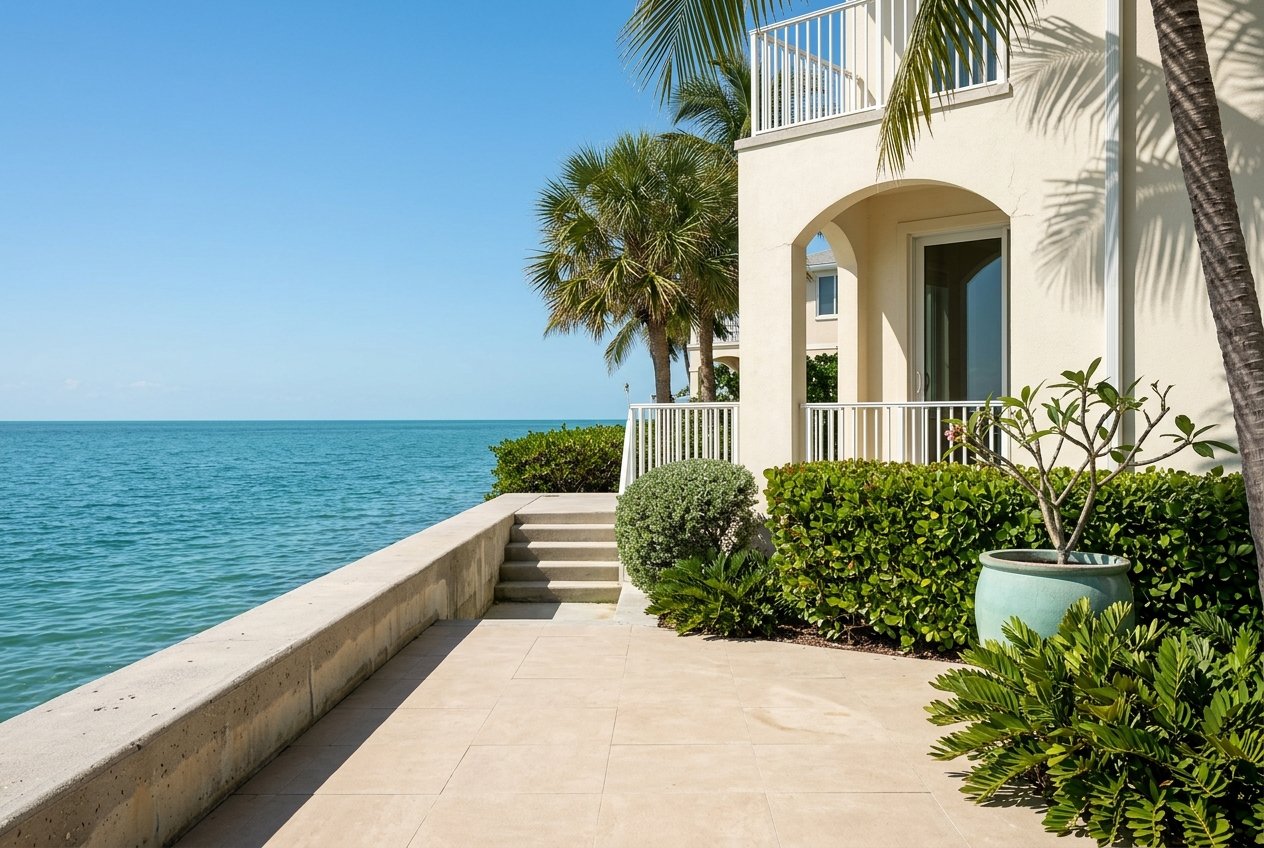
It also supports the kind of lifestyle many second-home buyers want. City materials reference Sunset Park, city park space, and the municipal 9-hole par-3 golf course, along with boating access and low-speed waterways. For you, that can translate into a property that works for personal getaways, visiting guests, and carefully managed weekly rentals.
Investment Model Basics
If you are comparing Key Colony Beach to other Florida vacation markets, the biggest difference is the rental structure. The city requires a minimum rental period of seven days, so this is a weekly rental market, not a nightly one. That changes how you should think about occupancy, turnover, cleaning schedules, and revenue planning.
The city also limits occupancy. According to its rental guidance, permitted occupancy is generally two people per bedroom plus two in a living room, with a cap of 10 people and additional square-footage limits. In practical terms, the usable rental setup of a property may matter more than the bedroom count alone.
Property Types to Compare
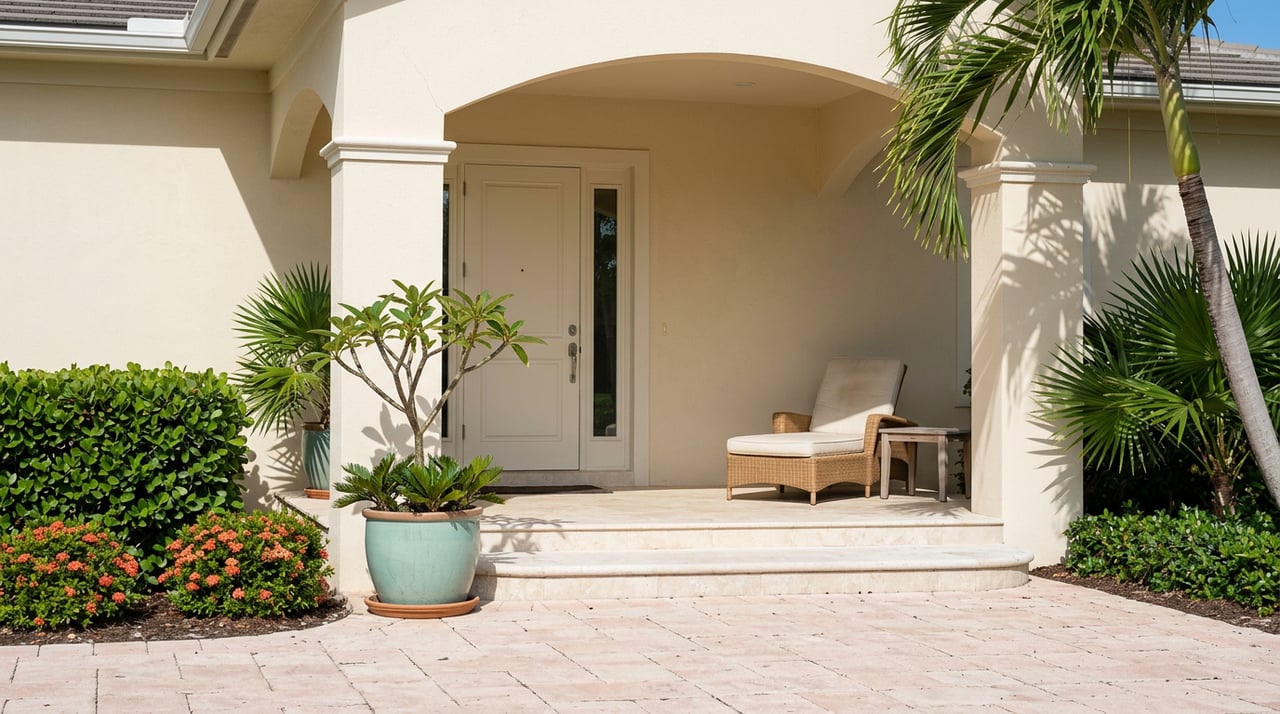
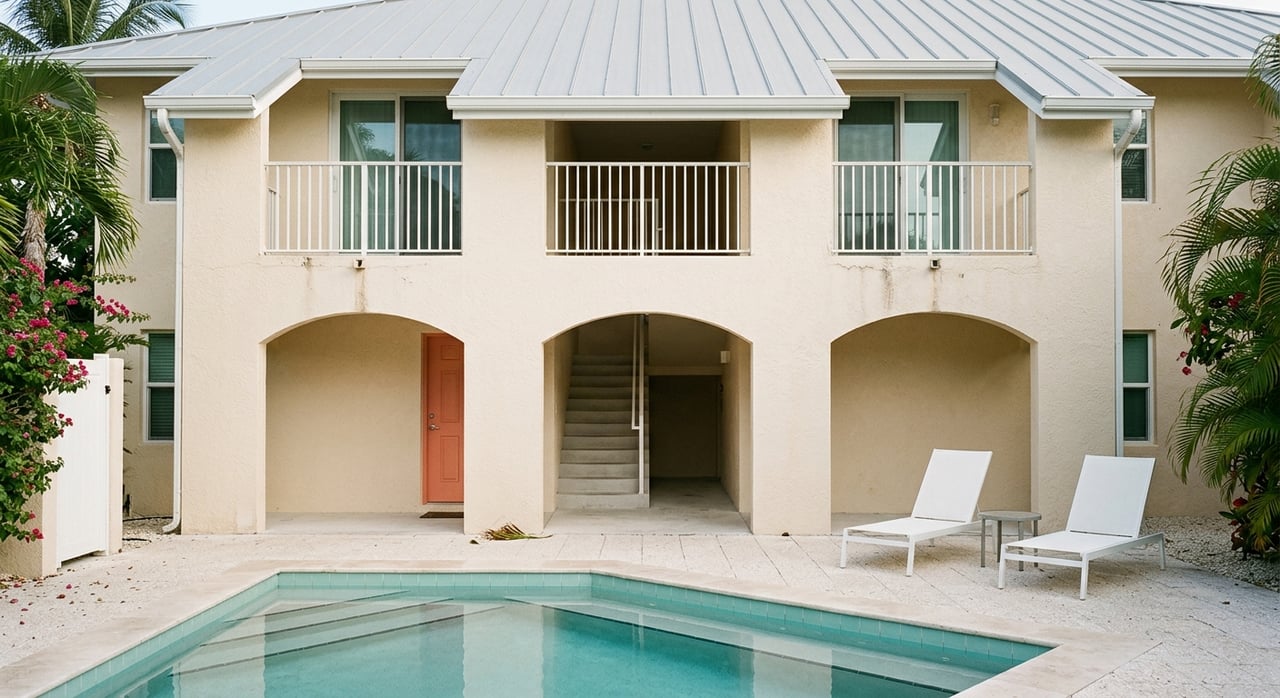
City materials point to a mix of ownership options in Key Colony Beach. The rental fee and management documents distinguish between single-family and duplex rentals versus condo and co-op rentals, and the zoning map shows several residential districts. While that is not a formal inventory count, it does suggest buyers will likely evaluate detached homes, duplex-style properties, and condo or co-op opportunities.
For an investment-minded buyer, each option can come with tradeoffs. A detached waterfront home may offer more control over dockage and guest experience. A condo or co-op may offer a different maintenance profile, but you should confirm whether association rules add limits on rentals, pets, parking, renovations, or dock use.
Waterfront Details Matter
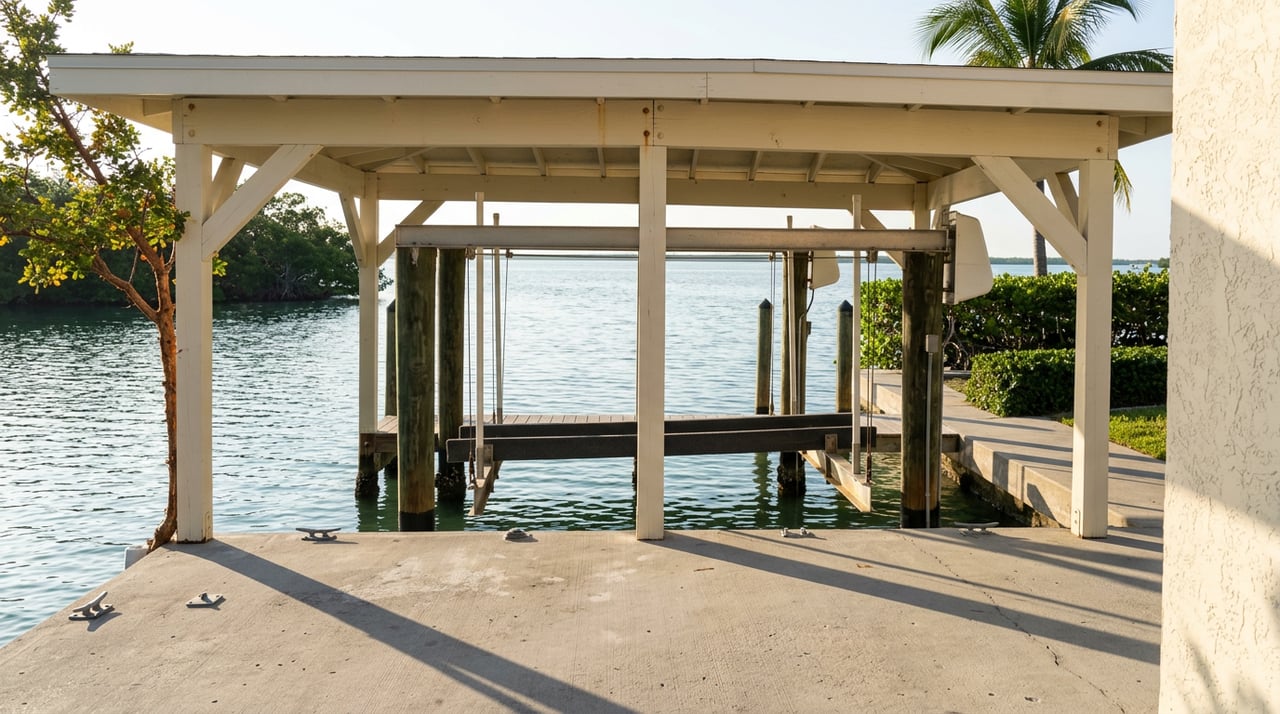
In Key Colony Beach, waterfront value is not just about having a canal behind the home. The city’s rules state that boats must operate at idle or no-wake speed in local waterways, and the total boat length cannot exceed the waterfront property lines available with the home. Trailer placement and storage are also tightly regulated under the city rules and regulations.
That means you should verify the real-world fit between the property and your boating plans. A listing may look ideal online, but dockage, boat length, maneuvering room, and on-site trailer rules can affect both personal use and guest appeal. If rental income is part of your plan, those details can directly shape marketability.
Parking Can Affect Rental Performance
Parking is easy to overlook until it becomes a guest issue. In Key Colony Beach, most street parking is not allowed, and parking in many city-owned areas is restricted. That can make one property much more rental-friendly than another, even if both are in the same general area.
Before you buy, ask how guest vehicles are expected to be handled. If the property has limited on-site parking or awkward access, weekly turnover may be more difficult. For second-home owners, smooth arrivals and departures can make a major difference in owner experience and guest satisfaction.
Rental Licensing Requirements
If you plan to rent the property, licensing is a core part of your due diligence. The city requires owners or agents offering property to the public to obtain both a Monroe County business tax receipt and a Key Colony Beach business tax receipt, also called the rental license. The vacation rental license lasts one year and must be renewed before it expires.
This is important because a property is not automatically rent-ready just because it has been used as a rental in the past. You should confirm current license status, renewal timing, and whether there are any unresolved issues that could interrupt future rental activity.
Local Contact and Management Rules
Key Colony Beach expects active local oversight. The city requires a designated local contact on each application who is available 24/7, can reach the property within 60 minutes when requested by city staff, and monitors the property at least once per rental week, according to the city’s rental guidance.
If you live out of town, this requirement matters right away. You will need a qualified local contact or property manager who can meet the city’s standards. If you plan to self-manage, you should be prepared for the time commitment and the local compliance expectations that come with it.
The city also requires property managers or local contacts to complete the property management class and renew certification every two years. The certificate packet and fee materials show that paperwork and proof of payment are part of that process.
Compliance Before Income
Licensing is tied to property condition and code compliance. The city says inspections include smoke detectors, emergency lighting, fire extinguishers, a floor diagram, and a secondary means of escape from each bedroom. It also states that no tax receipt will be issued until the property complies with city code requirements.
You should also verify whether there are outstanding wastewater bills or code fines. According to the city’s rental materials, those items must be paid before the vacation rental license can be issued. This is one reason an investment-minded offer should include deeper document review, not just price and financing terms.
Costs Buyers Should Budget For
A smart purchase decision in Key Colony Beach goes beyond mortgage math. The city’s adopted fee schedule lists a property manager license at $150 and a transient or transient resort rental unit fee at $450. Those costs may not be the largest line items, but they should be part of your operating budget.
Your real carry cost may also include:
- Mortgage payment
- Flood insurance
- Wind coverage
- Association dues, if applicable
- City and county licensing costs
- Wastewater charges
- Property management or local-contact costs
This is especially important in the Florida Keys, where insurance can strongly affect ownership costs and long-term returns.
Flood Insurance Is a Major Variable
Flood risk should be part of your evaluation from day one. Monroe County states that all of Monroe County is in a floodplain, and flood damage is not covered by standard homeowner’s insurance. The county also notes that tropical storms, heavy rainfall, king tides, and FEMA coastal flood mapping can affect development standards and insurance costs.
For you, that means insurance should not be treated as a later quote to gather right before closing. A property’s flood zone, elevation, and coverage requirements can change the monthly carry cost in a meaningful way. Monroe County also notes that flood insurance is a significant component of housing costs and property values in the Keys.
Tax Treatment May Differ From a Primary Home
If this purchase is intended as a second home with rental use, do not assume it will receive the same tax treatment as a primary residence. The Monroe County Property Appraiser states that rental property does not qualify for homestead exemption. That can affect your ownership costs and your overall return outlook.
This is one of the biggest mindset shifts for buyers moving from lifestyle shopping to investment analysis. You are not just buying a place you enjoy. You are buying into a structure of insurance, licensing, tax treatment, and compliance that needs to work together.
Questions to Ask Before You Offer
Before you move forward on a property in Key Colony Beach, ask for clear answers to these points:
- Does the property qualify for the city’s 7-day minimum rental model?
- What is the current rental license status?
- Is there an active local contact or property manager who meets the city’s response requirements?
- What are the flood zone, elevation, and current insurance estimates?
- Are there condo, co-op, or HOA rules that further limit rentals, parking, pets, dock use, or updates?
- Are there unpaid wastewater bills, code issues, or occupancy concerns that could delay licensing?
- If you plan to self-manage, are you ready for the city’s class and certification process?
These questions can help you avoid buying a property that looks strong on paper but creates friction once you own it.
How to Approach Key Colony Beach Strategically
Key Colony Beach can make sense for buyers who want a second home with structured rental potential. The appeal is not based on high-turnover nightly volume. Instead, it comes from a more orderly weekly rental model, a compact island setting, and the possibility of combining personal use with guest stays in a regulated environment.
The best purchase is usually the one that fits your real plan. If boating matters, verify dockage and vessel fit. If income matters, confirm licensing and operating costs. If convenience matters, pay close attention to parking, management logistics, and how easy the property will be to leave and enjoy again later.
When you want local guidance on waterfront details, second-home ownership, and the practical side of buying in the Florida Keys, Island Welcome Real Estate can help you evaluate properties with the full picture in mind.
FAQs
What is the minimum rental period for Key Colony Beach investment properties?
- Key Colony Beach requires rentals to be for at least seven days, so buyers should plan around a weekly rental model rather than nightly stays.
What licenses are required to rent out a home in Key Colony Beach?
- Owners or agents offering rentals to the public need both a Monroe County business tax receipt and a Key Colony Beach business tax receipt, which serves as the rental license.
What should buyers know about flood risk in Key Colony Beach?
- Monroe County says all of Monroe County is in a floodplain, and standard homeowner’s insurance does not cover flood damage, so flood insurance and flood-zone review are key parts of due diligence.
What property types are common in Key Colony Beach for buyers?
- City documents suggest buyers may encounter single-family homes, duplex-style properties, and condo or co-op ownership models, depending on the property and district.
What management rules apply to Key Colony Beach rentals?
- The city requires a designated local contact who is available 24/7, can respond within 60 minutes when requested by city staff, and checks the property at least once per rental week.
Does a Key Colony Beach rental property qualify for homestead exemption?
- According to the Monroe County Property Appraiser, rental property does not qualify for homestead exemption, so buyers should not assume owner-occupied tax treatment on an investment-oriented purchase.