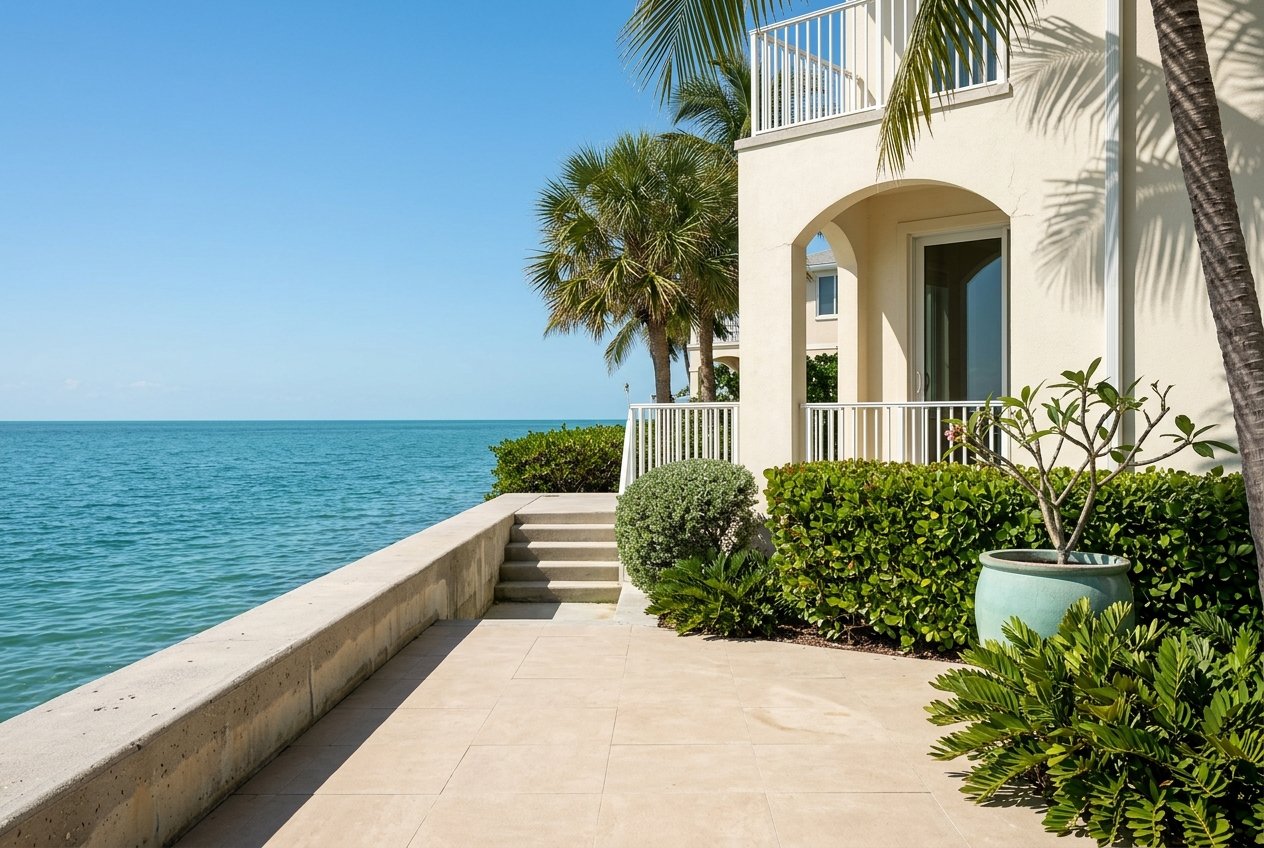
Dreaming of a place where your boat is steps from the back door and open water is minutes away? If you’re eyeing Cudjoe Key, you’re already picturing calm canals, quick runs to the reef, and slow sunsets from your dock. To buy with confidence here, you need clear guidance on canal depth, dock permits, flood and wind insurance, ROGO, and wastewater connections. This guide gives you plain‑English steps and local context so you can choose the right street, the right dock, and the right home. Let’s dive in.
Why Cudjoe Key works for boaters
Cudjoe Key sits in the Lower Keys with a big share of homes on canals or along the bay and ocean. Many neighborhoods were planned with boating in mind, so private docks are common and channel access is a day‑to‑day reality, not a wish list item. Community marinas and public ramps nearby add fuel, launch, and service options when you need them.
One local factor to keep on your radar is wastewater. The Florida Keys Aqueduct Authority runs the Cudjoe Regional Wastewater program covering much of MM 17 to MM 33. Before you make an offer, confirm if a property must connect and whether any special assessments apply using the FKAA’s Cudjoe Regional Wastewater resources. You can review program details and connection guidance on the FKAA website under the Cudjoe Regional Wastewater section.
- Learn more about the Cudjoe Regional Wastewater program on the Florida Keys Aqueduct Authority site: FKAA Cudjoe Regional Wastewater.
What homes cost today
Prices on Cudjoe Key reflect water type and access more than anything else. Smaller waterfront options in planned communities can land in the mid six‑figure range. Typical canal‑front single‑family homes trend higher, and open‑water oceanfront estates reach into the multi‑million range.
Public “portal” snapshots often vary because they use different data windows and sometimes list prices instead of sold prices. The most reliable picture will come from recent, canal‑specific comps pulled from the local MLS. Your agent should show you closed sales on the same street or canal so you understand how depth, dockage, and elevation shape value.
Know your waterfront type
Canal‑front lots
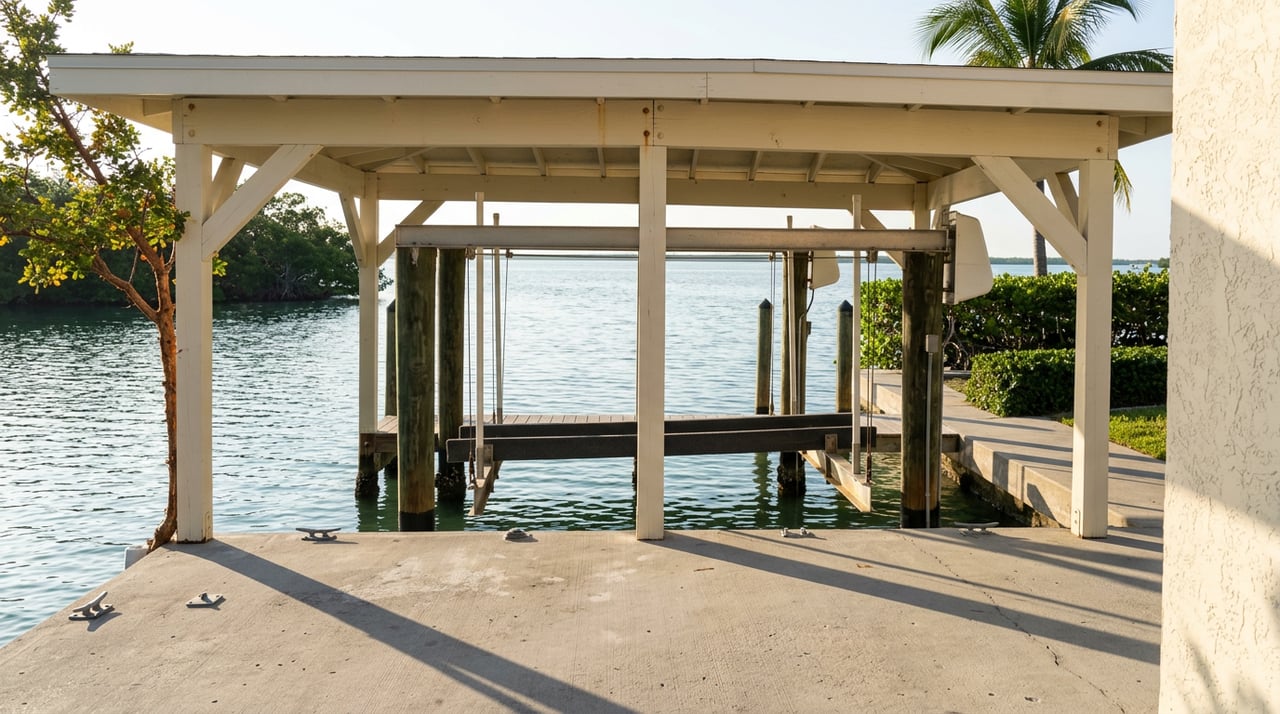
Canal‑front is the most common waterfront in Cudjoe Key. Lots often have a seawall and private dock. The make‑or‑break detail is controlling depth, which dictates the size of boat that can operate comfortably. Confirm dock permits and review county rules on dock length before planning upgrades.
- Review Monroe County’s dock length guidance and special exceptions: Monroe County dock length information.
Bay and oceanfront parcels
Open‑water exposure brings big views and big water access, often at higher purchase and ownership costs. Erosion, seawall condition, and wave energy can affect permits, insurance, and future project scope. Expect tighter reviews for new seawalls, dredge, or dock expansions under county and state rules.
- For environmental permitting context related to water resources projects, see Florida Statutes Chapter 373: Florida water resources statutes.
Marina and planned communities
Planned communities offer shared boat ramps, fuel, and marina services. Some charge association fees or have rules about rentals, dockage, and exterior changes. If rentals are part of your plan, verify county permits and any HOA restrictions early.
- Understand Monroe County’s Special Vacation Rental rules and inspections: Special Vacation Rental Program.
Boating access and bridges
Depth and route matter. Some canals offer quick, deep access suited to larger center consoles, while others favor flats boats and skiffs. Always verify controlling depth with a marine sounding, and check bridge and channel clearances for your vessel’s height.
- For regional bridge and channel guidance, consult Coast Pilot resources: Coast Pilot 4 excerpt with navigation details.
- For seagrass and habitat context that can affect dredging and dock work, review NOAA sanctuary information: Florida Keys National Marine Sanctuary pressures.
Utilities, wastewater, and permits
Wastewater: Parts of Cudjoe Key fall within the FKAA’s Cudjoe Regional Wastewater program. Some homes have already connected while others may face future requirements and assessments. Confirm status early in your due diligence.
ROGO: Monroe County’s Rate‑of‑Growth Ordinance limits new residential permits. Lots with existing rights or exemptions can hold premium value. If you plan to build or add habitable space, confirm a parcel’s ROGO status with county staff or a written determination.
- Read the county’s current ROGO documentation and updates: Monroe County ROGO materials.
- Find Monroe County planning forms and applications, including dock and vacation rental forms: Planning forms and applications.
Environmental permits: Docks, seawalls, and dredge projects often require county, state, and sometimes federal review with biological assessments. Build realistic timelines into your plan and verify which agencies will review your project.
- Florida’s water resources framework outlines key permitting elements: Florida water resources statutes.
Insurance and flood: what to check
The Keys carry above‑average wind and flood exposure. Lenders and insurers will look closely at FEMA flood zones, base flood elevation, and the home’s elevation certificate. Roof age, impact windows, shutters, and construction type also influence wind and flood premiums.
- Pull the official FEMA FIRM for a property and ask the seller for any Elevation Certificate: FEMA Flood Map Service Center.
Short‑term rental rules
In unincorporated Monroe County, some zoning districts do not allow short‑term rentals. Others allow them only with a Special Vacation Rental Permit, a licensed manager, and life‑safety inspections. HOA or community rules may be stricter than county rules. Verify permits and advertising history before you assume nightly rentals are allowed.
- Get the county’s latest vacation rental requirements and map layers: Special Vacation Rental Program.
Pre‑offer checklist for any Cudjoe Key waterfront
Use this quick checklist to protect your time and money:
Property records and map
- Pull the Monroe County Property Appraiser record for ownership, dimensions, and any recorded easements: Monroe County Property Appraiser search.
Buildability and entitlements
- Confirm ROGO or any exemptions and transferable rights using county documentation: ROGO materials.
- Check zoning, tier designation, and whether your plans fit current rules: Planning forms and applications.
Flood and elevation
- Pull the property’s FEMA FIRM and ask for any Elevation Certificate; get preliminary flood quotes: FEMA Flood Map Service Center.
Dock, seawall, and marine access
- Verify as‑built dock and seawall permits and review county dock‑length standards or special exceptions: Monroe County dock length information.
- Order a low‑tide sounding for your slip and confirm vertical clearance along your route using Coast Pilot references: Coast Pilot 4 excerpt.
Utilities and wastewater
- Confirm FKAA water service, sewer connection status, and any special assessments for the parcel: FKAA Cudjoe Regional Wastewater.
Short‑term rental status
- Confirm if the zoning allows vacation rentals and whether the property holds a valid county permit: Special Vacation Rental Program.
Costs to model
- Ask for recent utility bills, property tax history, HOA fees, wastewater assessments, and insurance quotes for wind and flood.
On‑water trial run
- If boating access is a top priority, arrange a test run at high and low tide from the dock to the nearest open channel with a local captain.
How a local expert helps you compare canals
A strong Keys agent will do more than unlock doors. Before you write an offer, your agent should pull the parcel’s record card and GIS map, verify ROGO status, run a FEMA FIRMette, and request any Elevation Certificate. They will also speak with FKAA and county planning staff about wastewater and dock permits, confirm zoning and rental permissions, and arrange a marine sounding for canal depth and a bridge‑clearance check along your route.
Finally, expect a side‑by‑side analysis for your top candidates. It should summarize water‑access type and verified depth, dock and seawall permit history, flood zone and elevation status, wastewater assessments, rental permissions, and very recent closings on the same canal or street. That is how you avoid surprises and negotiate with confidence.
Ready to find the right waterfront fit on Cudjoe Key? Connect with the local team that lives and breathes Keys boating. Start your search with Island Welcome Real Estate and get concierge guidance from first call to first sunset at your dock.
FAQs
What is ROGO in Monroe County and why does it matter on Cudjoe Key?
- ROGO is a permit‑allocation system that limits new residential building, so you should verify if a lot has existing rights or an exemption before planning to build or add space.
How can I verify a canal’s controlling depth before buying in Cudjoe Key?
- Order a professional sounding at low tide for the specific dock and review county dock rules while confirming bridge and channel clearances for your planned route.
What should I know about Cudjoe Key wastewater connections and assessments?
- Many parcels fall under FKAA’s Cudjoe Regional Wastewater program, so confirm whether connection is required now or later and whether special assessments apply.
How do FEMA flood zones affect insurance costs in the Lower Keys?
- Flood zones, base flood elevation, and an Elevation Certificate drive pricing and eligibility for NFIP or private policies, so pull the FIRM and get quotes early.
Are short‑term vacation rentals allowed in unincorporated Monroe County neighborhoods?
- Some zoning districts prohibit them and others allow them only with a county Special Vacation Rental Permit, inspections, and a licensed manager.
Should I choose a community marina or a private dock on Cudjoe Key?
- Community marinas offer convenience and services with fees and availability limits, while private docks provide flexibility but add maintenance, permitting, and insurance duties.