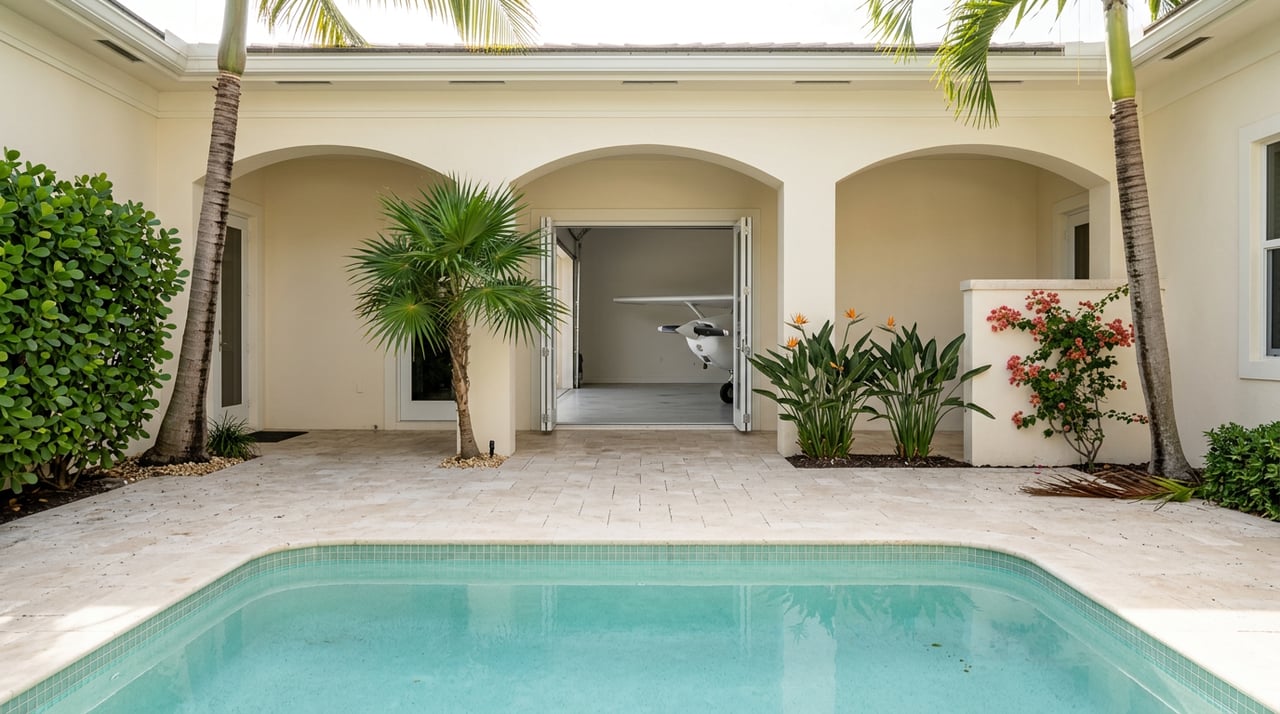
Where else can you touch down on your own runway and be idling out a canal toward blue water minutes later? If you fly and boat, you know how rare that combo is. Summerland Key in the Lower Keys blends a private-use airpark with quick canal access, creating a lifestyle that feels built for pilot-boaters. In this guide, you will learn how the airstrip works, what canal depths really mean, and the key questions to ask before you buy. Let’s dive in.
Why Summerland Key stands out
Summerland Key sits in the Lower Keys around Mile Marker 24 on US‑1. The neighborhood centers around Summerland Key Cove Airport (FD51), a private airstrip set within a residential community. Many homes combine hangar access with canal frontage, so you can roll from runway to ramp to reef with ease.
Flying Magazine spotlights Summerland as a rare place where residential airpark living meets waterfront access. The canals are often described as tidally flushed, or flow-through, which is a plus for water quality and navigation. That mix is why pilot-boaters keep Summerland near the top of their wish list.
Pilot essentials at FD51
Runway at a glance
FD51, Summerland Key Cove Airport, is a private-use field. The published runway is 12/30, about 2,550 feet long and 20 feet wide, with an asphalt surface. There are no published instrument procedures, and operations are typically daytime with CTAF 122.9. Always obtain permission to land and follow local rules. You can confirm current details on the FAA-derived pages for FD51 on AirNav and FD51 on SkyVector.
What the length means for your aircraft
A runway around 2,550 by 20 feet suits most light single-engine GA aircraft, such as a Cessna 172 or Piper Cherokee, when flown within performance limits. Heavier twins, turboprops, or jets may find the length and width restrictive, especially in warm conditions or with obstacles. FAA remarks cite local obstructions like utility lines and trees, and displaced thresholds reduce usable distance. Plan with current performance data, confirm NOTAMs and Chart Supplement notes, and when in doubt, arrange an on-site look.
Access, rules, and fees
Because FD51 is private use, you must have permission to land and abide by local procedures. In practice, that means contacting the owner or airport manager for access details, hours, pattern guidance, and any tie-down or landing rules. Some properties may have transferable or optional runway privileges through recorded agreements, with fees set by the runway owner or association. Always verify whether access conveys with the deed and ask for written rules and fee schedules before you make an offer.
Nearby alternates
If you need public services or instrument approaches, the closest major airports are Key West International (EYW) and Florida Keys Marathon (KMTH). Naval Air Station Key West at Boca Chica (KNQX) is also nearby. Many pilots use these as alternates or for fuel and maintenance support while enjoying Summerland’s unique fly-in lifestyle at home.
Boating and canal realities
Canal widths and depths
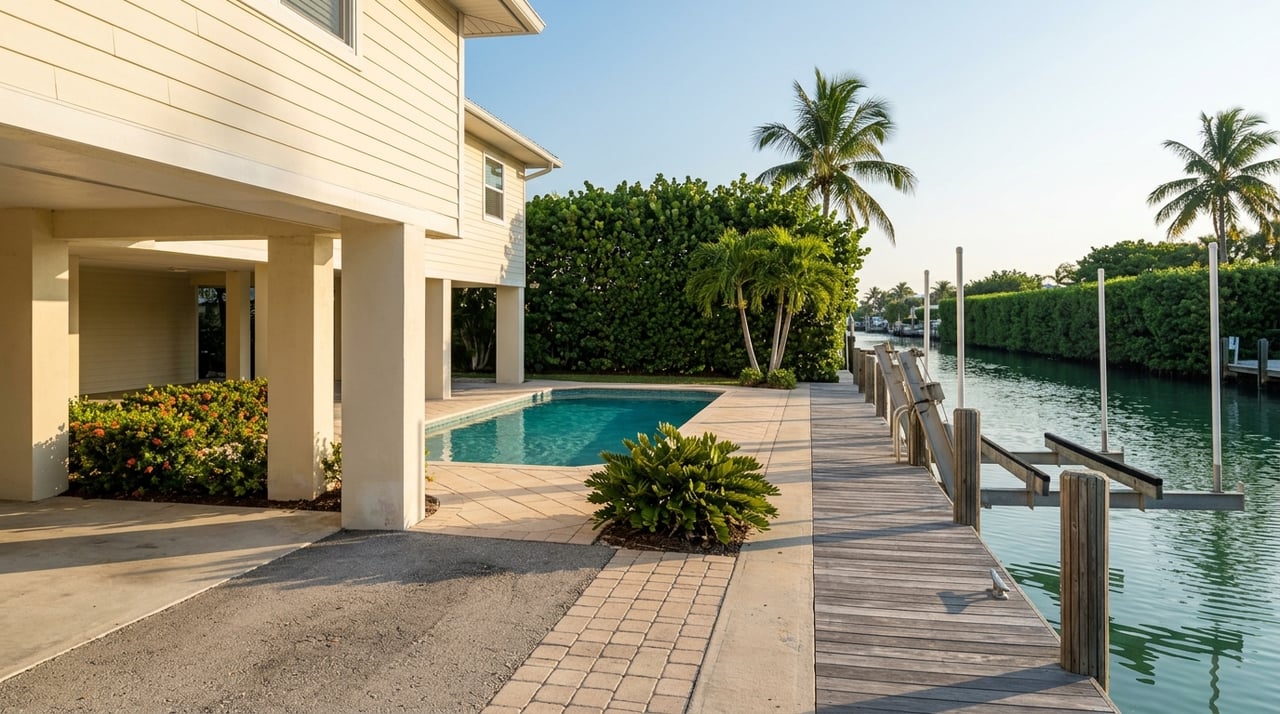
Summerland Key’s residential canals are commonly described as about 60 feet wide with controlling depths of roughly 4 to 5 feet in many cuts. That depth suits many center consoles, bay boats, and smaller sportfishers. Larger boats should confirm the controlling depth at mean low water and check for any history of maintenance or dredging. A long-standing local business notes these dimensions, which match how area listings typically present canal specs. See the local context from Summerland Hardware for a practical reference.
Flow-through advantage
Unlike landlocked basins, many Summerland canals are tidally flushed, or flow-through. That design helps with water exchange and can aid navigation, a quality highlighted in a Flying Magazine feature on waterfront airparks. For you, it means a canal that feels like part of the neighborhood’s everyday rhythm and a quick route to open water.
Services and getting to open water
Residents often rely on small local marinas, fuel docks, and bait shops within a short drive or boat ride. Travel time to open water varies by your canal location and boat speed, but many owners highlight short, practical runs to the Atlantic side or the backcountry. Before you buy, verify your slip-to-sea route, bridge clearances if any, and where you will fuel and service your boat.
Homes and hangar living
What typical homes offer
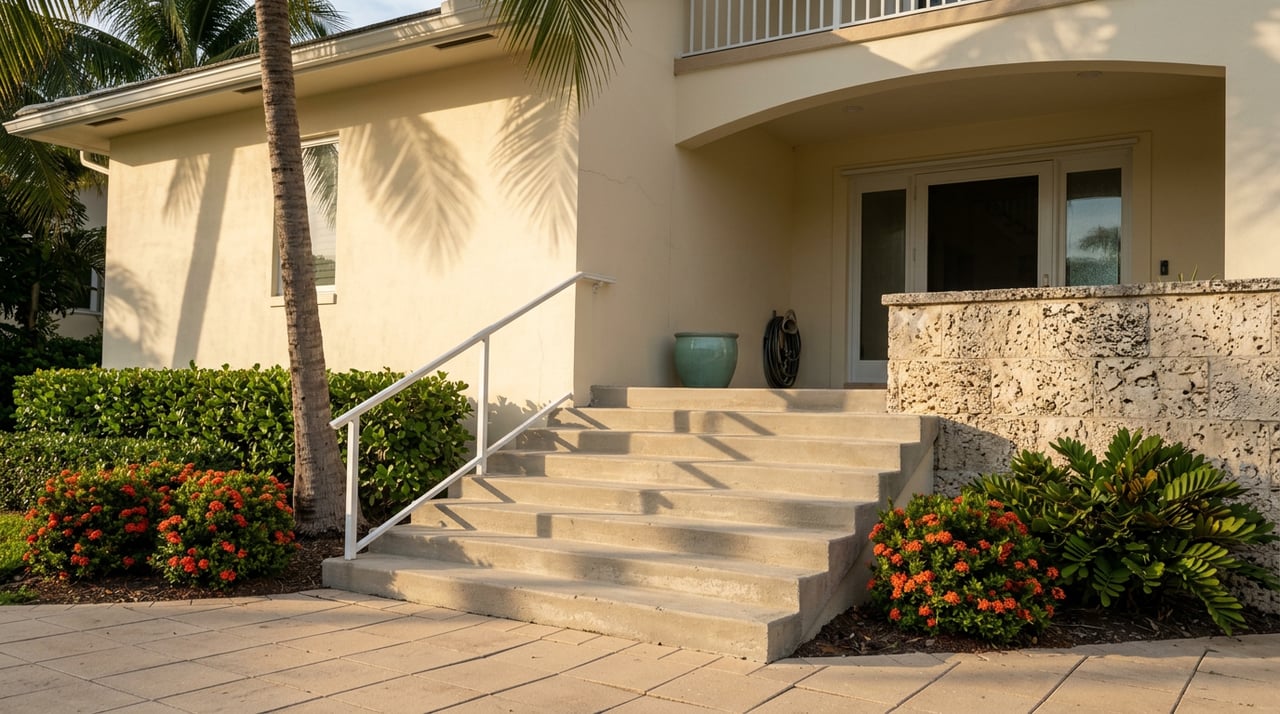
You will see a blend of aviation and marine features: elevated or stilted construction for flood compliance, concrete ground levels, hangars or hangar-style garages under the living space, concrete seawalls, davits or lifts, and hurricane-rated windows and metal roofs. Hangar footprints often range from roughly 1,500 to 2,500 square feet, with living areas above. This style reflects both the aviation culture and Monroe County’s wind and flood standards.
Scarcity and market dynamics
Hangar homes are niche and scarce. In many years, only a handful come to market, which supports a premium lifestyle narrative for buyers who want to fly in and boat out from home. If you have a specific aircraft size, preferred canal depth, or hangar dimension, prepare to move decisively when a match appears.
Insurance, flood, and building rules
Monroe County enforces strict building and floodplain requirements in the Keys. Elevation to Base Flood Elevation plus any required freeboard, rules for downstairs non-habitable enclosures, and substantial-improvement thresholds can affect renovations and insurance. Always request the Elevation Certificate, proof of permits for downstairs areas, seawall and dock permits, and current insurance quotes. Get familiar with county guidance via Monroe County’s Building Responsibly page.
Permits and nearshore construction
In the Florida Keys, new docks, seawalls, and dredging typically require multi-agency review. The Florida Department of Environmental Protection, the U.S. Army Corps of Engineers, and the Florida Keys National Marine Sanctuary oversee nearshore work. Expect that benthic surveys or environmental assessments may be required, and timelines can be lengthy. Start with the Sanctuary’s overview of nearshore construction permits and work with local experts to map out a realistic plan.
If you are considering a new lift, dock reconfiguration, or canal maintenance, understand that “dredgeable” is not a promise. What is allowed depends on location, habitat, and agency approvals. Local permitting consultants offer practical roadmaps for the Keys, like this dock permit requirements guide, which can help you prepare questions for your due diligence.
What to verify before you buy
Use this checklist to keep your search focused and your closing smooth.
Aviation due diligence
- Confirm current FD51 details, including runway dimensions, CTAF, daylight operations, and private-use status. Review the FAA-derived pages for AirNav FD51 and SkyVector FD51.
- Obtain written runway-use permission, rules, and any fee schedule from the owner or manager. Ask whether access transfers with the property and what covenants or association documents govern aircraft operations.
- Review remarks on obstructions or displaced thresholds and check NOTAMs before any flight planning. If possible, connect with local pilots for pattern conventions and practical tips.
Boating and canal checks
- Ask for the canal’s controlling depth at mean low water and any maintenance or dredging history. Confirm your run to open water from the specific slip location.
- Inspect seawall condition and request permits for existing docks, lifts, and davits. Note that new or substantial repairs may require multi-agency approvals. Start with NOAA’s nearshore construction guidance and consult local experts as needed.
Home, flood, and insurance
- Pull the property’s FEMA FIRM panel and Elevation Certificate. Compare the lowest floor elevation to Monroe County requirements on Building Responsibly.
- Verify that downstairs enclosures are permitted as non-habitable spaces if present. Get early quotes for homeowners, flood, and wind coverage, since elevation and construction type can change premiums.
Lifestyle and costs
- Ask how often the runway is used and whether community events or fly-ins occur. A Flying Magazine profile describes a close pilot community feel, but activity varies by season and parcel.
- Clarify who maintains the runway, who pays for seawall repairs, and any shared fees for boat ramps or runway upkeep. Request copies of all governing documents.
How Island Welcome Real Estate helps
Buying a hangar-and-canal home is equal parts dream and due diligence. You want local guidance on runway privileges, canal depths, permits, and flood rules, plus a smooth process that respects your time. As a boutique Keys brokerage based right on Summerland Key, we match buyers and sellers to the island lifestyle with concierge care and deep waterfront know-how. From verifying FAA and county details to coordinating inspectors and virtual showings, our team makes complex waterfront transactions feel straightforward.
If Summerland Key is on your radar, let’s talk about your aircraft, your boat, and the home that fits both. Connect with Island Welcome Real Estate to start the search with local experts by your side.
FAQs
Is the Summerland Key airstrip public or private?
- Summerland Key Cove Airport (FD51) is a private-use field. Permission is required to land, and local rules apply. Confirm current details on AirNav FD51.
What aircraft can typically use FD51’s runway?
- With a published runway around 2,550 by 20 feet, many light single-engine GA aircraft can operate when flown within limits. Heavier twins, turboprops, and jets may be constrained by length, width, temperature, and obstacles, so you must check current data and performance.
What do “deep” or “flow-through” canals mean in Summerland?
- Many residential canals are about 60 feet wide with controlling depths often in the 4 to 5 foot range, and several are tidally flushed, or flow-through. Verify exact depth at your slip and your route to open water. Local references include Summerland Hardware and this Flying Magazine feature.
Do I need permits to add or modify a dock or seawall?
- In the Keys, nearshore work usually needs multi-agency approvals that can include NOAA, FDEP, and the U.S. Army Corps. Start with NOAA’s nearshore construction permits and plan for timelines.
What building and flood rules affect Summerland Key homes?
- Monroe County enforces elevation, downstairs enclosure, and substantial-improvement rules that influence renovation scope and insurance. Review county guidance on Building Responsibly and get the property’s Elevation Certificate early.
How do runway access rights work when you buy a home?
- Runway privileges can be controlled separately from the home and may require fees or recorded agreements. Ask the seller and airport manager for written documents that explain transferability, rules, and costs before you make an offer.