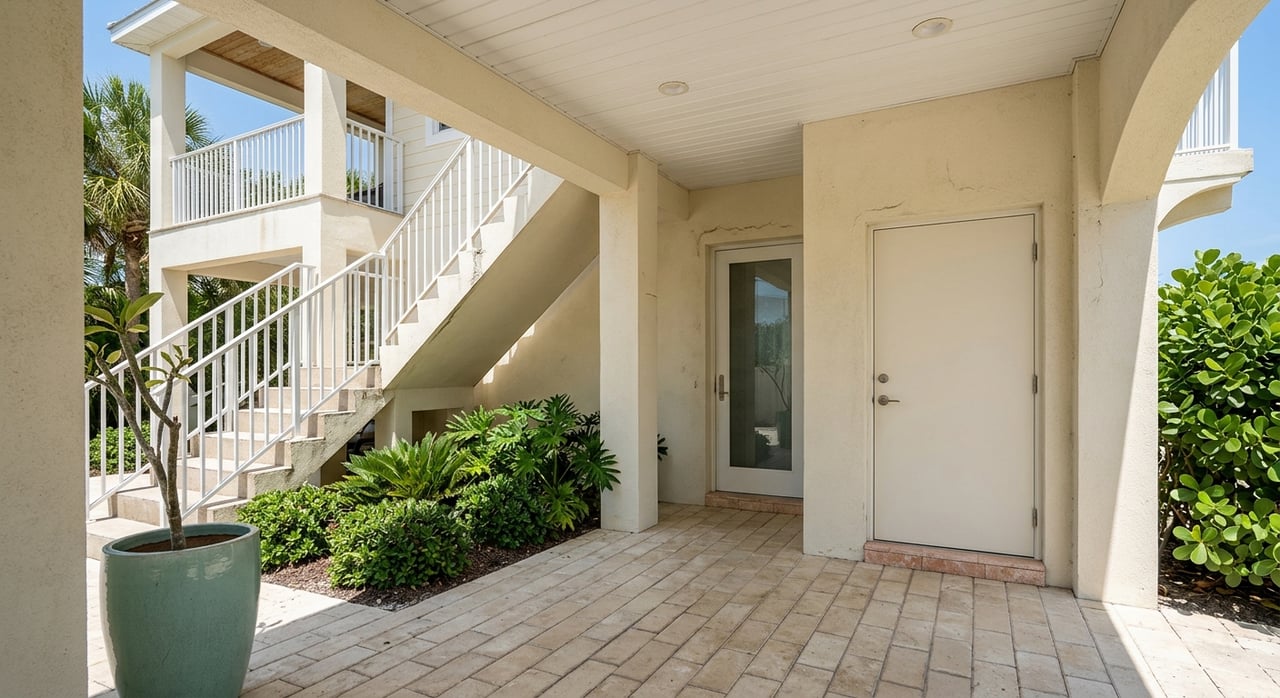
Wondering if a second home in Cudjoe Key could also help offset costs through rentals? You are not alone. Many buyers are drawn to the Lower Keys for boating access, warm winter weather, and the chance to enjoy a waterfront property part of the year while exploring income potential. The key is knowing that in Cudjoe Key, rental opportunity is real but never automatic. This guide will help you understand how the market works, what to verify before you buy, and how to spot a property that fits both your lifestyle and your goals. Let’s dive in.
Why Cudjoe Key Appeals to Second-Home Buyers
Cudjoe Key is a small Lower Keys community in unincorporated Monroe County with about 2,492 residents and 1,644 housing units, based on recent ACS estimates. It is a mature market with a median age of 54.4, median household income of $87,500, and a median owner-occupied home value of $857,400. For you as a buyer, that points to a higher-value island market where lifestyle and waterfront access often matter more than finding low-cost inventory.
Part of the appeal is the setting itself. The Lower Keys have a mild tropical-maritime climate, with winter highs typically around 75 to 80 degrees. That makes Cudjoe Key especially attractive for seasonal use, whether you want a quiet home base for boating weekends, longer winter stays, or a second home that lets you enjoy the Keys on your own schedule.
What Homes Look Like in Cudjoe Key
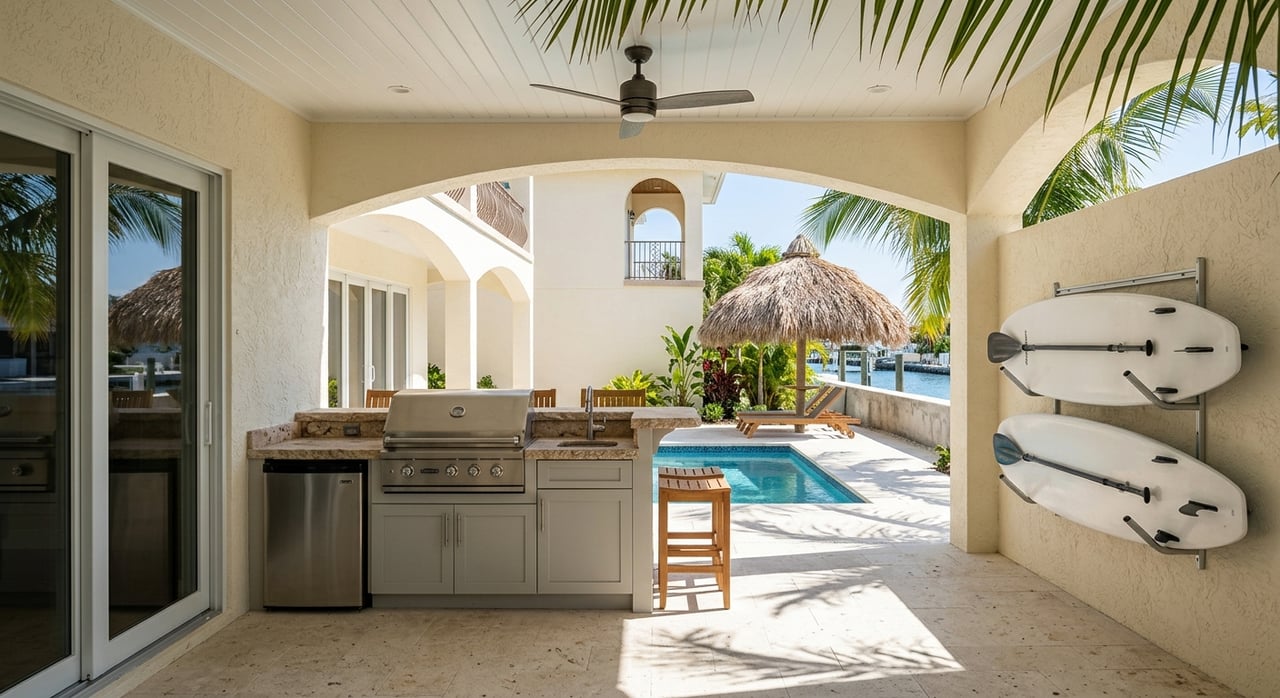
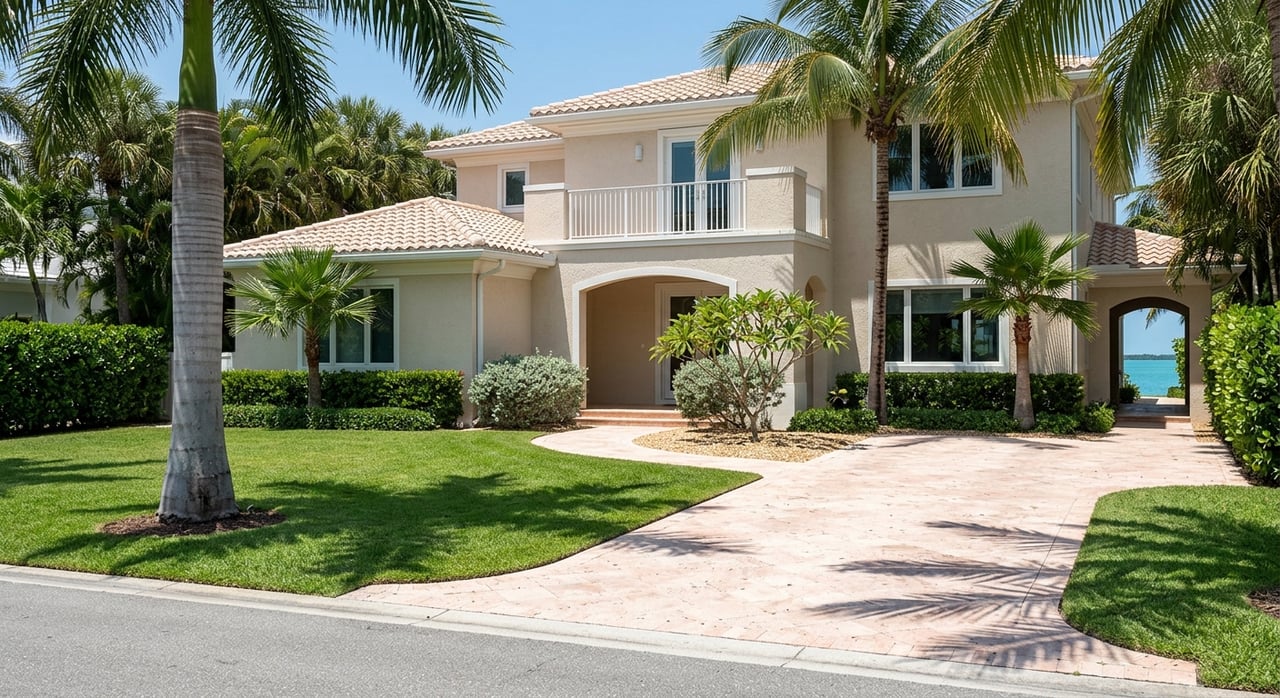
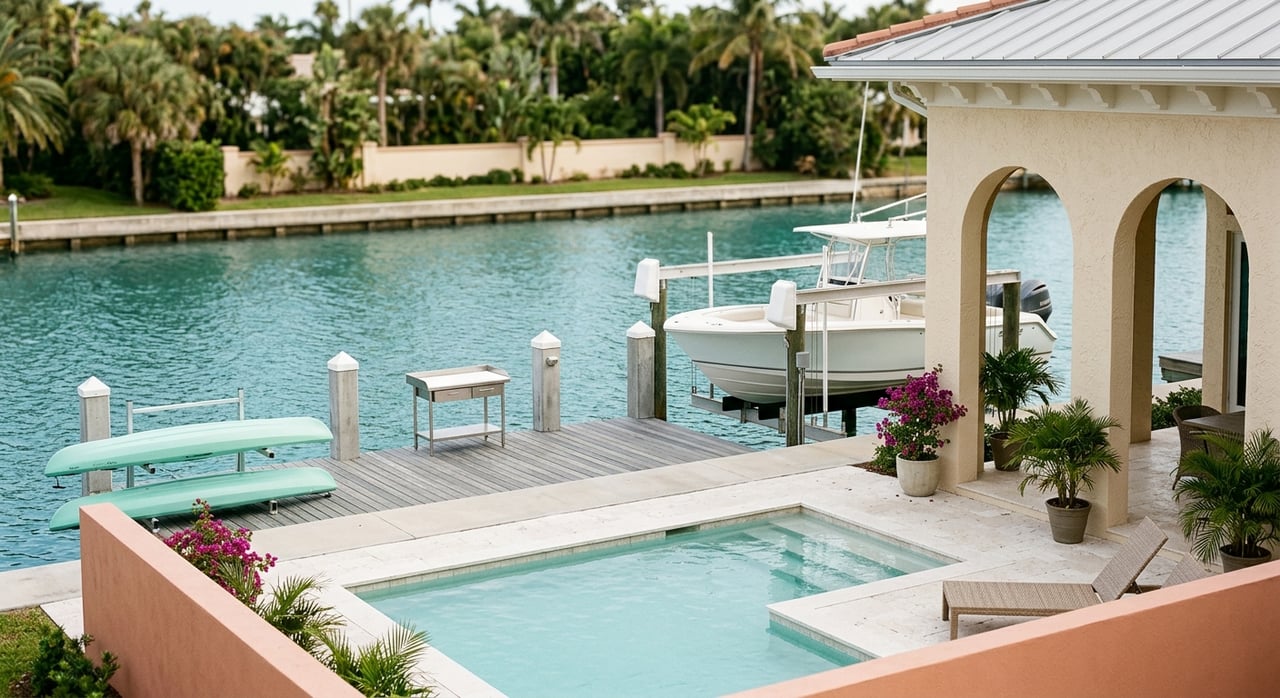
Cudjoe Key offers a mix of property types, which is one reason buyers with different goals keep it on their radar. Recent listing snapshots show canal-front and ocean-view single-family homes, manufactured or mobile homes, and some condo-style or resort-unit options. Some listings highlight private docks, seawalls, boat lifts, deep-water access, and marina or gated-community amenities.
If you are shopping with boating in mind, those marine features can shape both daily enjoyment and long-term value. A home with documented dockage, good water access, and usable waterfront improvements may fit your second-home lifestyle better than a property with prettier photos but less practical boating utility. In the Lower Keys, details matter.
Rental Potential Is Selective, Not Universal
This is the most important takeaway for buyers. Cudjoe Key can work well for second-home ownership with possible rental income, but it should not be viewed as a market where every waterfront property can be used as a short-term rental.
Some properties and communities clearly support seasonal rental use. One recent manufactured-home listing in Venture Out Resort was marketed as rentable by the week or month. That tells you there are pockets of the market where income-producing use is part of the value story.
Still, the rules depend on the parcel, the land-use district, and the community. In practice, Cudjoe Key often makes the most sense as a lifestyle-first market with selective rental upside. If your plan depends heavily on short stays or unrestricted vacation use, you need to confirm legality before you get emotionally attached to a property.
Why County Rules Matter So Much
In Monroe County, rental eligibility is treated as a parcel-level land-use question. That means two homes that seem similar online may have very different rental rights. You cannot assume a property can be rented nightly or weekly just because it is waterfront or because another home nearby is doing so.
According to Monroe County, short-term rentals under 28 days are unlawful in Improved Subdivision, Urban Residential Mobile Home, and IS-M land use districts. Vacation rentals may be allowed in SR, MU, UR, IS-V, and OS districts, but they require compliance with the county’s special vacation rental program.
If a property is in a district where vacation rentals are allowed, the owner may need:
- An annual special vacation rental permit
- A special vacation rental manager license
- A fire and life safety inspection
- A business tax license
County advertising rules also matter. Where short-term rentals are prohibited, advertising must reflect a 28-day minimum stay and monthly rate language. In some areas, rentals may only be allowed in gated communities with controlled access and an approved association that regulates and manages rentals.
HOA and Community Rules Can Change the Picture
Even if county rules allow a rental use, that does not mean a community or association will. If you are considering a home in a resort-style neighborhood, mobile home community, condo setting, or gated waterfront area, you should review the governing documents carefully.
These documents may affect:
- Minimum rental periods
- Guest occupancy limits
- Parking rules
- Pet policies
- Trailer restrictions
- Community management requirements
That is why a property that looks ideal on paper may not fit your actual plan. For many buyers, the right move is to start with the lifestyle they want first, then evaluate whether legal rental income can be a helpful bonus.
Waterfront Features Need Verification
Marketing photos can make almost any waterfront property look ready for island living, but due diligence is essential in Cudjoe Key. The Monroe County Property Appraiser’s GIS and property search tools are the county’s official source for confirming parcel boundaries and property characteristics.
Before you assume a property has the dockage or access you want, verify what is actually documented. A listing may mention a seawall, lift, canal frontage, or open-water access, but your buying decision should be based on official records and permit history, not just marketing language.
You should also confirm whether waterfront improvements are properly permitted. That can include:
- Docks
- Seawalls
- Boat lifts
- Mangrove-related work
- Other shoreline or waterfront structures
For a second-home buyer who plans to bring a boat or rent to other boaters, these details can have a real impact on use, cost, and convenience.
Taxes Can Change Your Rental Math
If you are running numbers on rental income, be sure your estimate reflects how Monroe County taxes transient rentals. For rentals of six months or less, the county collects a 5% Tourist Development Tax. Florida sales tax and any applicable discretionary sales surtax also apply.
Just as important, the county tax collector treats many mandatory add-on charges as taxable rental consideration. That can include cleaning fees, pet fees, traveler service fees, processing fees, and resort fees. In other words, if you are projecting income, you need to think in terms of gross rent and taxable charges, not just a nightly or monthly rate.
Insurance and Flood Risk Are Part of the Deal
In the Keys, flood risk is not a side note. Monroe County states that all of the county is in a coastal floodplain, and standard homeowner’s insurance does not cover flood damage. If you are buying a second home in Cudjoe Key, flood insurance planning should be part of your early budgeting, not an afterthought.
The county participates in the National Flood Insurance Program and the Community Rating System, which has provided a 25% discount for residential NFIP policies in unincorporated Monroe County. Even with that discount, insurance costs and flood-zone details can meaningfully affect affordability and long-term ownership costs.
You should also check whether the home has an elevation certificate and request a current insurance quote before you commit. These steps can help you compare properties more accurately and avoid surprises later in the process.
Permitting and Redevelopment Questions Matter
Another issue buyers sometimes miss is permitting history. Monroe County advises buyers to check this before purchasing because unpermitted work can lead to required alterations after closing. That matters whether you are buying a classic Keys cottage, a remodeled waterfront home, or a manufactured property in a resort-style setting.
The broader development picture matters too. In the Florida Keys, growth is shaped by the ROGO and NROGO system, which ties development to hurricane evacuation capacity and directs development away from certain high-risk and sensitive areas. You may not need to understand every planning detail, but you do need to know that redevelopment and expansion are not always simple in this market.
Questions to Ask Before You Buy
If you are considering a second home in Cudjoe Key with any rental component, ask these questions early:
- What is the parcel’s land-use district?
- Are rentals under 28 days allowed here?
- Is a special vacation rental permit required?
- Is a vacation rental manager license required?
- Do the HOA or condo documents limit rental frequency or guest use?
- What is the flood zone?
- Is there an elevation certificate?
- What are the current insurance estimates?
- Are the dock, seawall, or lift properly documented and permitted?
- Who will handle bookings, cleanings, inspections, taxes, and guest communication if you rent the property?
These are not small details. In Cudjoe Key, they are often the difference between a smooth ownership experience and an expensive learning curve.
How to Think About the Best Purchase
The strongest purchase in Cudjoe Key is usually not the one with the most exciting rental projection. It is the one where your island lifestyle, the property’s permitted use, the flood and insurance picture, and the management plan all line up.
For some buyers, that means choosing a canal-front home with solid dockage and using it mainly as a private second home. For others, it may mean focusing on a property in a community where seasonal or vacation rental use is clearly supported. Either way, the goal is the same: buy with confidence, not assumptions.
That is where hyperlocal guidance becomes so valuable. In a waterfront market like Cudjoe Key, details around dockage, land use, permits, and carrying costs can shape your ownership experience just as much as the view.
If you are exploring a second home or waterfront property in the Lower Keys, Island Welcome Real Estate can help you evaluate the lifestyle fit, property details, and practical questions that matter most.
FAQs
Can you use any Cudjoe Key home as a short-term rental?
- No. In Monroe County, rental eligibility depends on the parcel’s land-use district and any applicable community rules.
What rental length rules apply in parts of Cudjoe Key?
- In certain Monroe County land-use districts, rentals under 28 days are unlawful, and advertising must reflect the required minimum stay language.
What permits may be needed for a Cudjoe Key vacation rental?
- If vacation rentals are allowed for the parcel, the property may require an annual special vacation rental permit, a manager license, a fire and life safety inspection, and a business tax license.
What taxes apply to Cudjoe Key rental income?
- For rentals of six months or less, Monroe County collects a 5% Tourist Development Tax, and Florida sales tax plus any applicable surtax may also apply.
Why is flood insurance important for Cudjoe Key buyers?
- Monroe County says all of the county is in a coastal floodplain, and standard homeowner’s insurance does not cover flood damage.
What should you verify about a Cudjoe Key waterfront property?
- You should confirm parcel boundaries, property characteristics, flood-zone details, permitting history, and whether dock, seawall, lift, or other waterfront features are properly documented.