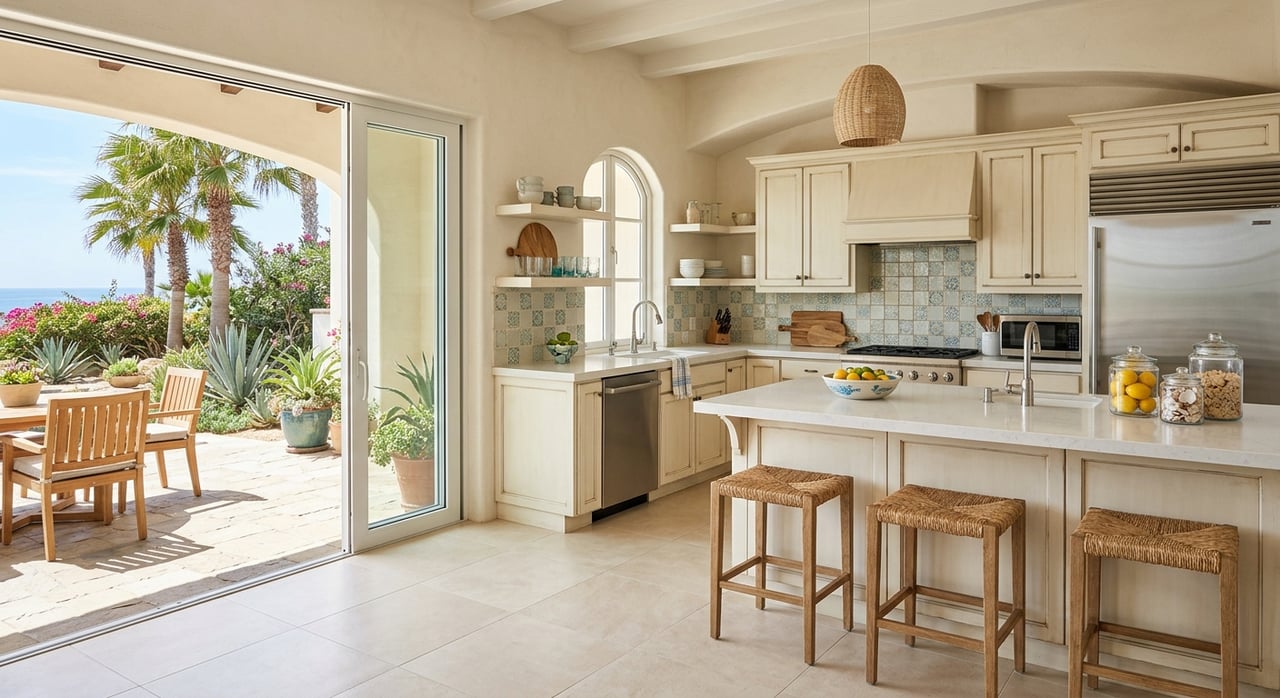
Trying to choose between a fixer-upper and a turnkey home on Ramrod Key? That decision can shape not just your budget, but also how quickly you can start enjoying life in the Lower Keys. If you are weighing value, renovation risk, boating features, and move-in timing, it helps to understand how this market really works. Here is what to know before you decide which path fits you best.
Ramrod Key homes vary widely
One of the first things you will notice on Ramrod Key is that there is no single “typical” home age or condition. Recent and current listings include homes built in 1967, 1974, 1982, 1991, 2020, and 2024, with descriptions ranging from fixer and fixer-upper to updated, remodeled, and new construction.
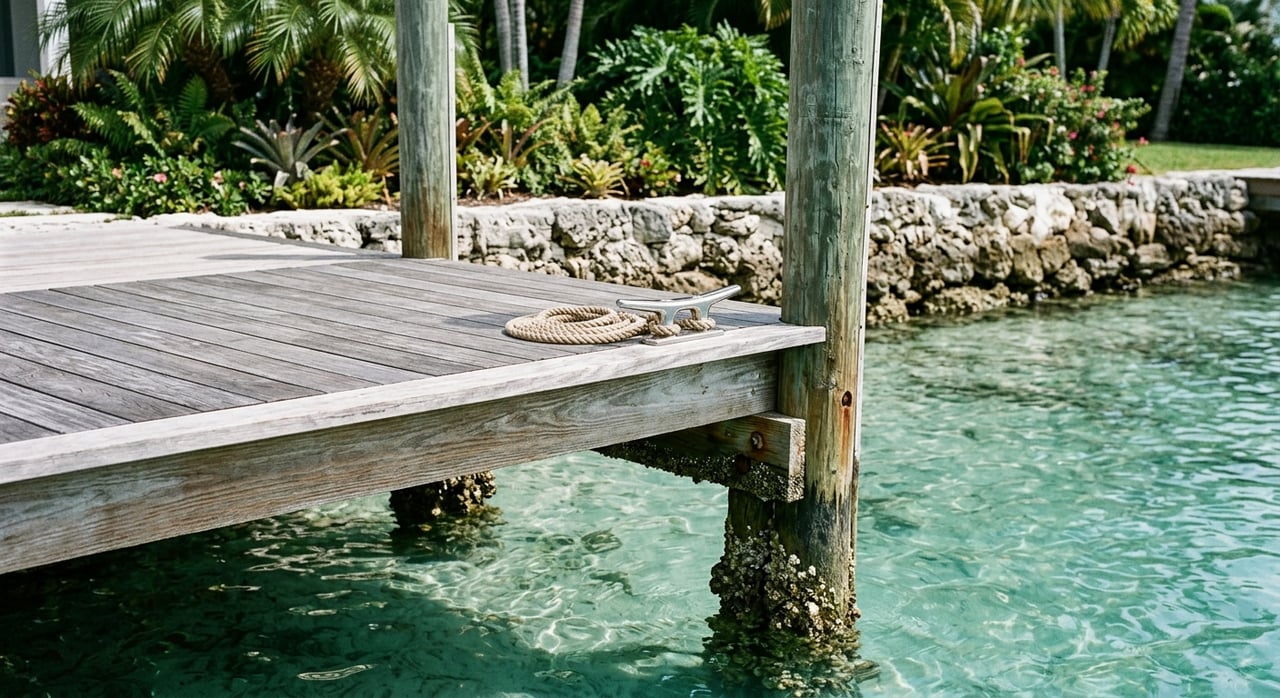
That wide mix matters because your choice is often not simply older versus newer. On Ramrod Key, many homes still offer boating-oriented features like canal access, docks, salt-pond views, or above-flood construction. In many cases, the real question is how much of the updating, repair, and compliance work has already been done for you.
Fixer-upper vs turnkey costs
Price is often the first reason buyers consider a fixer-upper. A recent example on Ramrod Key shows a 1982 canalfront fixer-upper selling for $510,000 in July 2025, while a 2024 move-in-ready home is listed at $949,000.
That gap helps explain the appeal of fixer properties. Lower entry pricing can make waterfront ownership feel more accessible, especially if you are comfortable taking on projects over time. At the same time, turnkey homes usually command a premium because many major upgrades are already complete.
Why fixer-uppers can look attractive
A fixer-upper can be a smart option if you want to buy into Ramrod Key at a lower price point and do not mind putting in work later. Some listings are still appealing coastal properties with boating access or good views, even if the interiors or systems need attention.
For some buyers, that creates an opportunity to personalize the home. If you have renovation experience, a flexible timeline, and room in your budget for surprises, a fixer may offer the most value. It can be especially appealing if your goal is to create a second home tailored to your own style and use.
The real risk with a fixer
On Ramrod Key, the biggest challenge with a fixer-upper is not always cosmetic work. In many cases, the harder part is permitting, floodplain compliance, and the possibility that a modest project turns into a much larger one.
Monroe County says that if reconstruction, rehabilitation, an addition, or another improvement equals or exceeds 50 percent of the structure’s market value, the building must meet current floodplain standards. County guidance also says structures built after December 31, 1974 must have the lowest floor elevated to or above base flood elevation.
That means an older home that seems like a simple remodel may carry more complexity than expected. What starts as a kitchen update, flooring project, or rework of lower-level space can trigger bigger compliance requirements if the total improvement reaches that threshold.
Permits can add time and cost
If you are considering a fixer-upper, it helps to think beyond finishes and contractor estimates. Monroe County says substantial-improvement projects may require engineer- or architect-certified plans, an elevation certificate or other flood-compliance documentation, a cost breakdown worksheet, and contractor bids or a construction contract.
That paperwork can affect both your timeline and your budget. It also means that the true cost of a fixer is often more than the purchase price plus visible repairs. On an island property, the process itself can become a major part of the project.
Ramrod Key projects are often multi-permit jobs
County permit records also give a practical view of what owners commonly handle on Ramrod Key. Completed and recent permits include roofing, first-floor enclosure work, dock and boat-lift electrical, pools, fences, and after-the-fact tiki structures.
For buyers, that is an important reminder. A home here may involve not just interior renovations, but also marine-related work, exterior improvements, and code-related updates. If you are buying a fixer with dockage or outdoor structures, your project list may grow quickly.
Why turnkey homes appeal to many buyers
Turnkey homes are usually the easier path if you want speed, predictability, and less renovation management. On Ramrod Key, that often means newer or recently rebuilt homes with major systems and materials already updated.
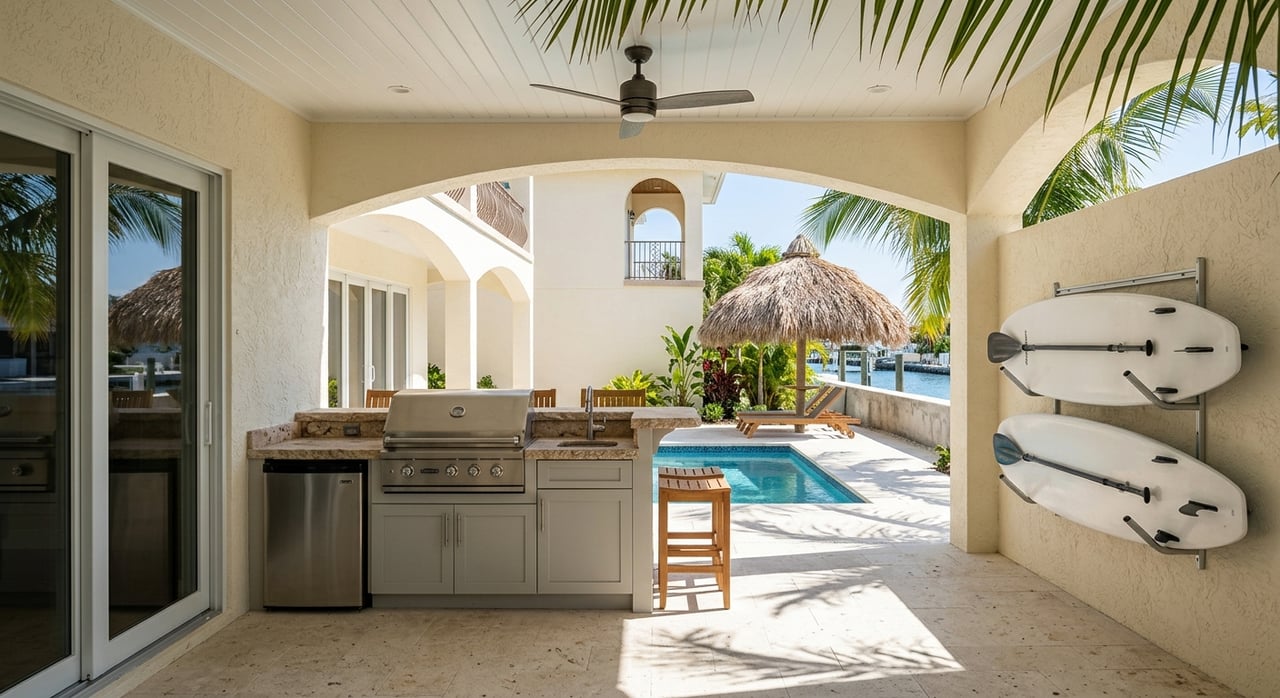
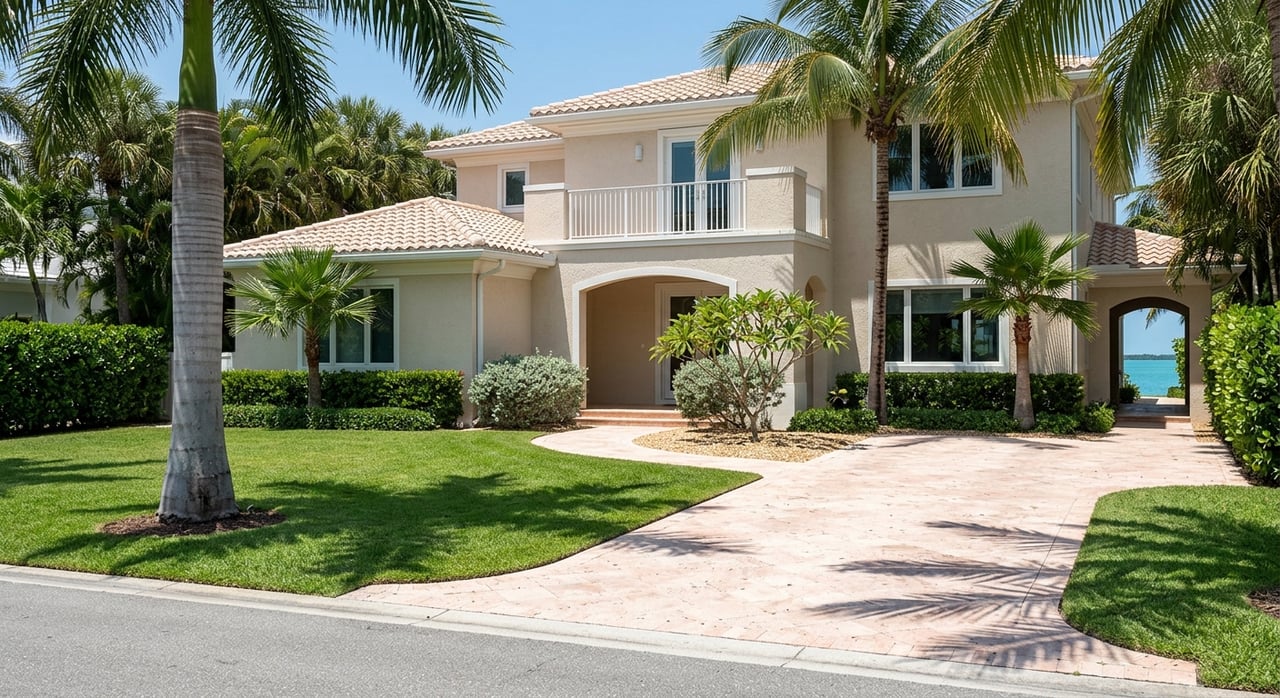
One active 2024 home is marketed as move-in ready with a metal roof, impact windows, a new A/C system, Hardi board siding, and above-flood construction. Another newer 2020-built listing is also described as updated or remodeled. Those features can remove a lot of uncertainty from the buying decision.
What you pay for in turnkey inventory
When you buy turnkey, you are often paying for completed work that you would otherwise need to manage yourself. Features like impact windows, a metal roof, newer HVAC, and above-flood construction usually increase the asking price, but they can also reduce the need for immediate post-closing projects.
That tradeoff matters if you want to start using the home right away. For a second-home buyer, seasonal owner, or anyone purchasing from out of the area, a move-in-ready property can be worth the added upfront cost simply because it reduces the number of decisions waiting after closing.
Flood planning still matters
Even with a turnkey home, flood risk is still part of the picture on Ramrod Key. Monroe County notes that all of Monroe County is a coastal floodplain.
The county also states that if a property is in a Special Flood Hazard Area and the mortgage is federally regulated or insured, flood insurance is required. So while a newer or updated home may reduce renovation uncertainty, it does not eliminate the need to review elevation, flood exposure, and insurance expectations during your search.
Which option fits your timeline
A fixer-upper tends to fit buyers who can be patient. If you are comfortable waiting through design decisions, permitting, contractor scheduling, and compliance review, you may be able to buy at a lower price and improve the property over time.
A turnkey home tends to fit buyers who want immediate use and fewer moving parts. If your goal is to close and start enjoying boating weekends, seasonal stays, or island living without a renovation phase, turnkey inventory often makes that easier.
Rebuild plans need extra caution
Some buyers look at a fixer and think about a future teardown or major rebuild. On Ramrod Key, that is where timelines can become even less predictable.
Monroe County’s ROGO system adds another variable for new residential growth. The county’s current notice says new residential dwelling units compete for allocations, while repair or replacement of existing dwelling units is excluded. In practical terms, buying an existing resale home and improving it is a different path from pursuing new residential construction.
Questions to ask before you choose
Before deciding between a fixer-upper and a turnkey home on Ramrod Key, it helps to ask yourself a few honest questions:
- Do you want to use the home right away, or can you wait through renovation work?
- Are you comfortable budgeting for permits, compliance, and possible surprises?
- Do you want a lower entry price, even if it brings more project management?
- Would you rather pay more upfront for updated systems and fewer unknowns?
- If the home has dockage or canal access, are you also prepared for marine-related maintenance or upgrades?
Your answers will usually point clearly in one direction.
The best choice depends on your goals
There is no one-size-fits-all answer on Ramrod Key. A fixer-upper can make sense if you are value-focused, hands-on, and prepared for a project. A turnkey home can be the better fit if you want a smoother path to occupancy and more confidence in the condition of the property from day one.
Because Ramrod Key homes span multiple decades, conditions, and levels of compliance, it helps to look beyond the listing photos. The smartest move is to compare not just price, but also timeline, renovation scope, and how much island-home complexity you want to take on.
If you want help weighing fixer versus turnkey options on Ramrod Key, the local team at Island Welcome Real Estate can help you compare properties, boating features, and next-step timing with confidence.
FAQs
What is the main benefit of buying a fixer-upper on Ramrod Key?
- The main benefit is usually a lower entry price, which may give you access to Ramrod Key ownership at a lower upfront cost.
What is the biggest risk of buying a fixer-upper on Ramrod Key?
- The biggest risk is that renovation work may trigger Monroe County floodplain compliance requirements, which can increase costs and extend timelines.
Why do turnkey homes on Ramrod Key cost more?
- Turnkey homes usually cost more because they often already include updated features like impact windows, newer HVAC, metal roofs, and above-flood construction.
Do turnkey homes on Ramrod Key still require flood insurance review?
- Yes. Monroe County states that all of Monroe County is a coastal floodplain, and some financed properties in Special Flood Hazard Areas require flood insurance.
Is a rebuild the same as renovating an existing Ramrod Key home?
- No. Monroe County’s current ROGO notice indicates that new residential dwelling units compete for allocations, while repair or replacement of existing dwelling units is excluded.
How do you choose between a fixer-upper and a turnkey home on Ramrod Key?
- The best choice depends on your budget, timeline, comfort with renovation risk, and whether you want immediate use or are willing to manage a project.