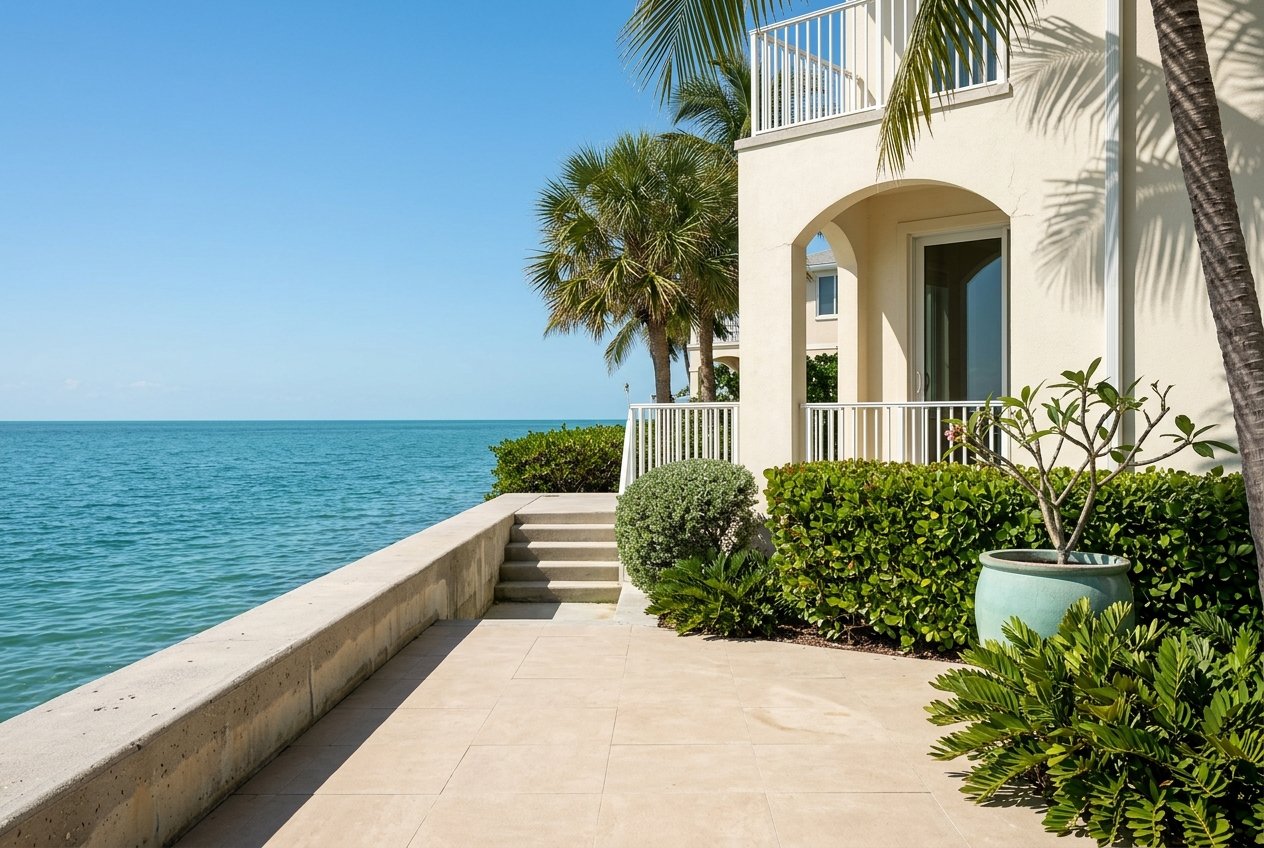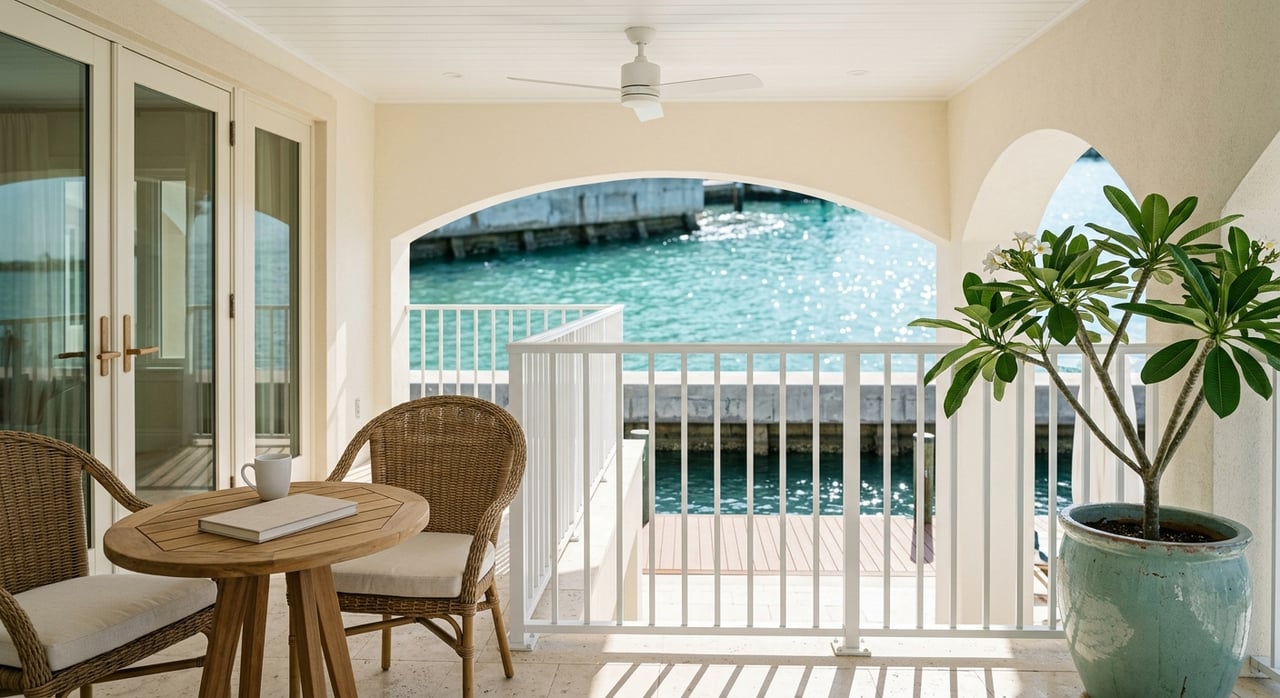
Are you picturing Key Colony Beach as a place to settle into every day, or as a seasonal escape you can lock and leave between visits? That choice matters more here than it does in many coastal markets, because life on this small island city runs on a very specific local rhythm. If you are weighing full-time living against seasonal ownership, understanding the rules, services, and day-to-day patterns can help you choose with confidence. Let’s dive in.
Key Colony Beach at a Glance
Key Colony Beach is a very small incorporated city in Monroe County, with 790 residents according to the Florida Legislature’s 2020 census summary. Even at that size, the city maintains a full municipal framework that includes police, public works, building and code offices, a wastewater treatment plant, a post office, and a par-3 golf course. That gives the island a structured, self-contained feel rather than a purely vacation-oriented one.
The city also supports civic life through infrastructure, housing, economic development, parks and recreation, and community clubs. Public comments are taken at City Commission meetings on the third Thursday of the month, with town hall meetings held the Monday before. If you plan to live here full-time, that steady civic calendar can become part of your routine.
Full-Time Living in Key Colony Beach
Living in Key Colony Beach year-round means you get to know the city through its everyday systems. Trash, recycling, parking rules, path use, and storm planning are not background details here. They are part of how daily life stays orderly on a small island.
Daily Services Shape the Routine
Monroe County says Marathon Garbage Service handles collection in Key Colony Beach. City rules specify garbage pickup on Tuesday and Saturday, recycling on Tuesday, and landscape debris on Wednesday. Carts can go out no earlier than noon the day before collection and must be removed within 24 hours after pickup.
That may sound minor, but routines like these tend to matter more when you live somewhere full-time. You are not just visiting for a few weeks. You are working with the island’s weekly schedule as part of normal homeownership.
Mobility Is Simple but Regulated
Key Colony Beach keeps a close eye on mobility and street use. City rules set a 25 mph speed limit, restrict overnight parking in some city-owned lots, and prohibit parking in the multi-use exercise path. The city also bans scooters and similar motorized mobility devices.
Electric bicycles are allowed on the multi-use path at up to 10 mph. The city says that path is for walking, bicycling, roller-skating, and dog-walking. For full-time residents, that supports a slower, more neighborhood-oriented pace.
Community Life Is Small-Scale and Active
One of the clearest differences between full-time living and seasonal use is how often you plug into local community life. The city says residents have access to the Key Colony Beach Community Association and clubs that include a fishing and boating club, book clubs, Pilates classes, beautification committees, and community health education services.
If you want a place where municipal life feels visible and accessible, this can be a real draw. Key Colony Beach appears to offer an active civic rhythm without feeling large or anonymous. You are more likely to notice how the city functions because the scale is so compact.
Seasonal Living in Key Colony Beach
Seasonal ownership can be a great fit in Key Colony Beach, especially if you want a waterfront base in the Middle Keys. Still, second-home ownership here comes with more structure than some buyers expect. If you plan to spend part of the year away, your ownership style often becomes more management-focused.
Rental Rules Are Detailed
If you want to offer a property to the public, the city requires both a Monroe County business tax and a Key Colony Beach business tax or rental license. The vacation rental license must be renewed yearly, and the property must pass inspection before the license is issued.
The city also requires a designated local contact person who is available 24/7 and can reach the property within 60 minutes when requested by a city employee. That means seasonal renting is not casual or hands-off. It works best when you are prepared for a formal compliance process.
Short Stays Are Not Allowed
Key Colony Beach does not allow vacation rentals for less than seven days. The city also caps maximum occupancy at 10 people, with occupancy further tied to bedroom count, living-room count, and square footage.
For buyers considering seasonal ownership, that framework matters. If rental income is part of your plan, you need to think in terms of licensed weekly rentals, inspections, occupancy rules, and local oversight. This is very different from a nightly rental model.
Seasonal Owners Often Need More Coordination
If you only live in the home part of the year, someone still needs to stay on top of property logistics. Between license renewals, inspections, local contact requirements, and storm preparation, seasonal ownership usually involves more coordination with managers and service providers.
That does not make seasonal ownership harder than full-time living. It simply means your role shifts. Instead of interacting with city systems day by day, you may spend more time setting up the people and processes that keep the home running while you are away.
Storm Planning Is a Major Difference
In Key Colony Beach, storm readiness is not a side issue. It is one of the biggest practical differences between living here year-round and owning here seasonally.
Full-Time Residents Build Storm Readiness Into Life
The city’s hurricane preparedness guidance says electricity, refrigeration, cell service, internet, gas stations, and ATMs may be unavailable after a major disaster. Residents should plan to be self-sufficient for a week or more.
If you live in Key Colony Beach full-time, that guidance becomes part of your long-term routine. You are likely to think about supplies, timing, vehicle access, and recovery planning as part of responsible island living.
Seasonal Owners Need a Re-Entry Plan
The same city guidance says Monroe County residents can obtain re-entry windshield stickers for each registered vehicle, and that Key Colony Beach is in Zone 3. If you are a seasonal owner, that adds another layer of planning around departures, returns, and post-storm access.
For many second-home buyers, this is one of the biggest mindset shifts. You are not just buying a waterfront retreat. You are also preparing for how that property will be secured, monitored, and re-entered after major weather events.
Waterfront Living Looks Different by Use
Because Island Welcome Real Estate specializes in waterfront and second-home properties, this is where lifestyle details really matter. Key Colony Beach offers a strong boating-oriented setting, but the city also regulates how that waterfront access works.
Boating Is a Core Part of the Lifestyle
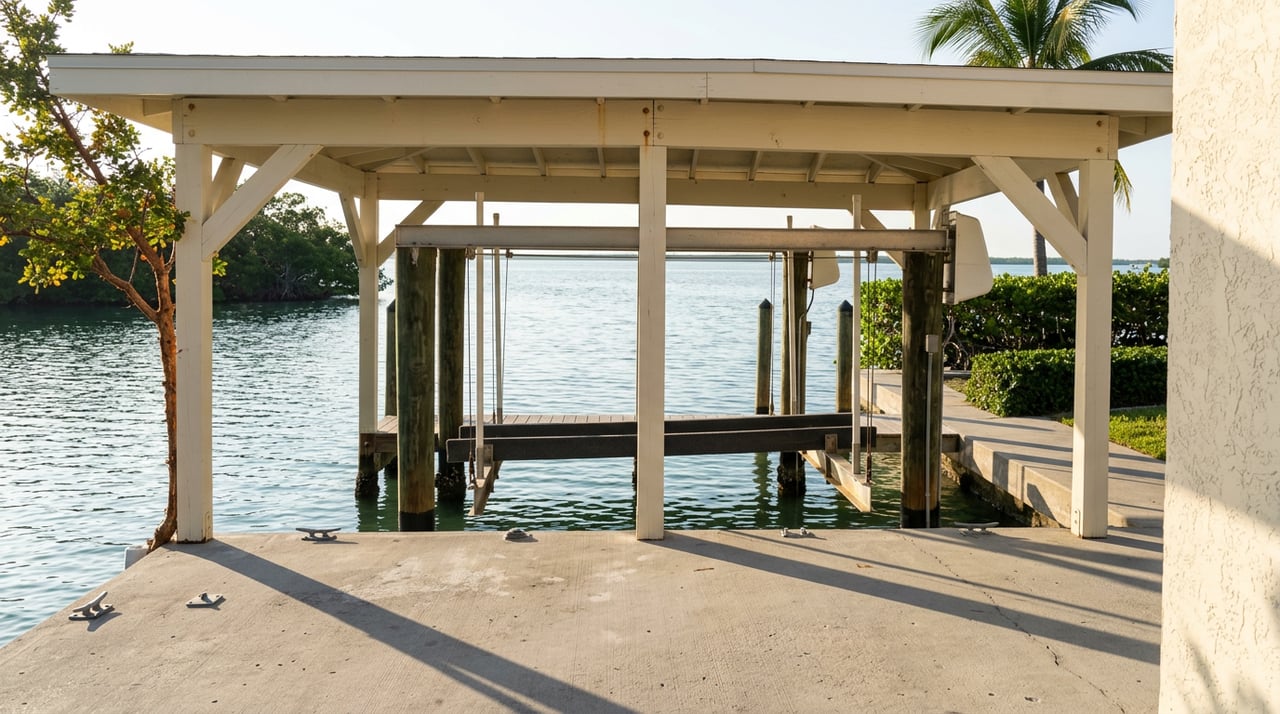
City rules prohibit living aboard a vessel and prohibit rafting vessels together. They also require idle-speed and no-wake operation in local waterways. Boat length is limited to the waterfront property lines available with the house.
That points to a waterfront lifestyle centered on private docking, boating, and fishing within a clearly managed system. If you plan to live here full-time, you may use those features as part of your weekly routine. If you are seasonal, they may shape how you evaluate dockage, storage, and ease of arrival for each visit.
Trailer and Access Rules Matter
The city also limits where trailers and recreational vehicles may be parked. Temporary boat-trailer parking may be available off 8th Street for a fee.
These details can influence how convenient a property feels based on your lifestyle. A buyer who plans frequent boating trips may experience these rules differently than a buyer who wants a lock-and-leave second home with occasional water access.
Water Recreation Has Boundaries
Around lobster mini-season, the city prohibits diving and snorkeling in navigable canals, marinas, and within 300 feet of shore during the stated window. For non-boat recreation, the city emphasizes walking and biking more than open-ended shoreline use.
The multi-use path supports walking, bicycling, roller-skating, and dog-walking. Sunset Park closes at sunset and has limited event use under city rules. Monroe County also lists a Lower Keys Shuttle stop at Sadowski Causeway, which provides some regional transit access.
Which Lifestyle Fits You Best?
If you want a year-round home base with a small-city civic rhythm, full-time living may be the better fit. You may appreciate the regular meeting schedule, local clubs, weekly service cadence, and the direct involvement that comes with island routines.
If you want a waterfront retreat you can use part of the year, seasonal ownership may make more sense. Just go in with clear expectations about licensing, inspections, local contact requirements, storm planning, and the practical realities of managing a second home.
In other words, the choice is less about whether Key Colony Beach is appealing and more about how you want to use it. The right property often depends on whether you want to be immersed in the island’s daily rhythm or supported by a well-planned seasonal setup.
If you are comparing full-time and seasonal options in Key Colony Beach, working with a local team who understands waterfront use, second-home priorities, and island logistics can make the process much smoother. For tailored guidance on finding the right fit, connect with Island Welcome Real Estate.
FAQs
Can you rent out a seasonal home in Key Colony Beach?
- Yes, but the property must follow the city’s licensed vacation-rental framework, including yearly renewal, inspection, and a seven-day minimum stay.
What is daily life like for full-time residents in Key Colony Beach?
- Full-time life follows a small-city island routine with set garbage and recycling days, local parking and path rules, community clubs, and regular public meetings.
What storm planning should seasonal owners expect in Key Colony Beach?
- Seasonal owners should plan for possible service outages after a major disaster, prepare for self-sufficiency issues, and understand Monroe County re-entry sticker procedures and Zone 3 status.
Is boating easy in Key Colony Beach for homeowners?
- Boating is a major part of the lifestyle, but city rules regulate no-wake operation, vessel living, trailer parking, and boat length based on the property’s waterfront lines.
Does Key Colony Beach feel active year-round for residents?
- Yes, in a municipal and community sense, with local services, resident clubs, committees, and monthly public meetings, while still maintaining a small and regulated island pace.