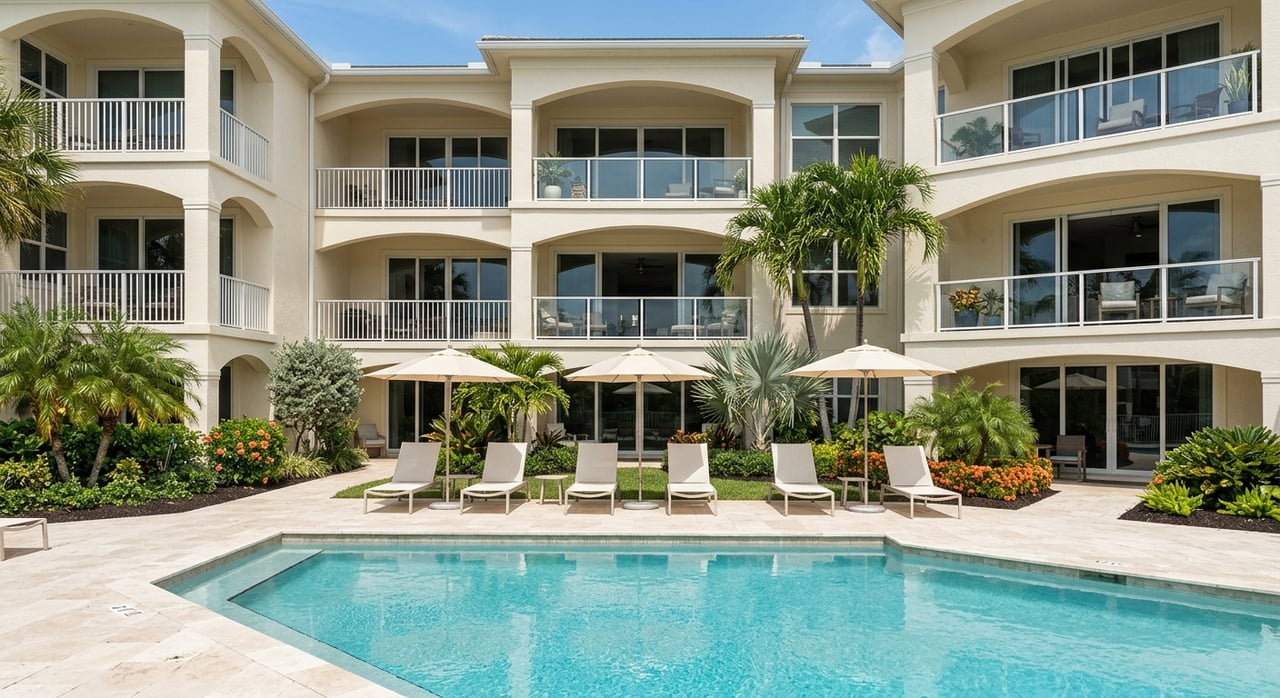
If you are dreaming about life on the water in Marathon, one question usually rises to the top fast: should you buy a waterfront condo or a single-family home? It is an important choice, especially in a market where boating access, dockage, and storm-related upkeep can shape both your lifestyle and your budget. The good news is that each option can work beautifully, depending on how you want to use the property and how hands-on you want to be. Let’s dive in.
Why this choice matters in Marathon
Marathon sits in the middle Florida Keys, roughly between MM 47 and 60, and the city describes it as the Heart of the Florida Keys. Local tourism information highlights easy access by land and sea, along with boating, fishing, family use, and the protected deep water of Boot Key Harbor. In other words, waterfront ownership here is not just about the view. It is about how you want to live on the water.
That is why condos and single-family homes can feel so different in Marathon. Both can give you access to the island lifestyle, but they usually deliver it in very different ways. One tends to be more shared and simplified, while the other tends to offer more privacy and control.
Marathon condo and home prices
If budget is one of your biggest deciding factors, condos are usually the more accessible entry point. As of late June 2026, Redfin showed 43 condos for sale in Marathon with a median listing price of about $554,000 and about 128 days on market. Current condo examples in Marathon range from roughly $309,000 up to about $1.595 million.
Waterfront single-family homes sit in a noticeably higher price tier. Redfin showed about 250 waterfront homes for sale in Marathon with a median listing price of about $1.1 million and about 150 days on market. Current examples included listings around $924,900, $1.599 million, $1.649 million, $1.675 million, $2.1 million, $2.2 million, and $2.299 million, with higher luxury outliers beyond that.
Realtor.com also reported Marathon’s median listing home price at $1.1 million and noted that homes sold about 5.7% below asking on average in May 2026. That suggests buyers may have some room to negotiate, even in a market where waterfront property stays in high demand.
Quick price snapshot
| Property type | Marathon median listing price | Typical examples |
|---|---|---|
| Waterfront condos | About $554,000 | Roughly $309,000 to $1.595 million |
| Waterfront single-family homes | About $1.1 million | Roughly $924,900 to $2.299 million+ |
What you get with a waterfront condo
A waterfront condo in Marathon often gives you a lower buy-in price compared with a waterfront house. That does not mean it is inexpensive overall, but it can open the door to water-oriented living for buyers who want to keep the initial purchase price below the single-family range. For many second-home buyers, that matters.
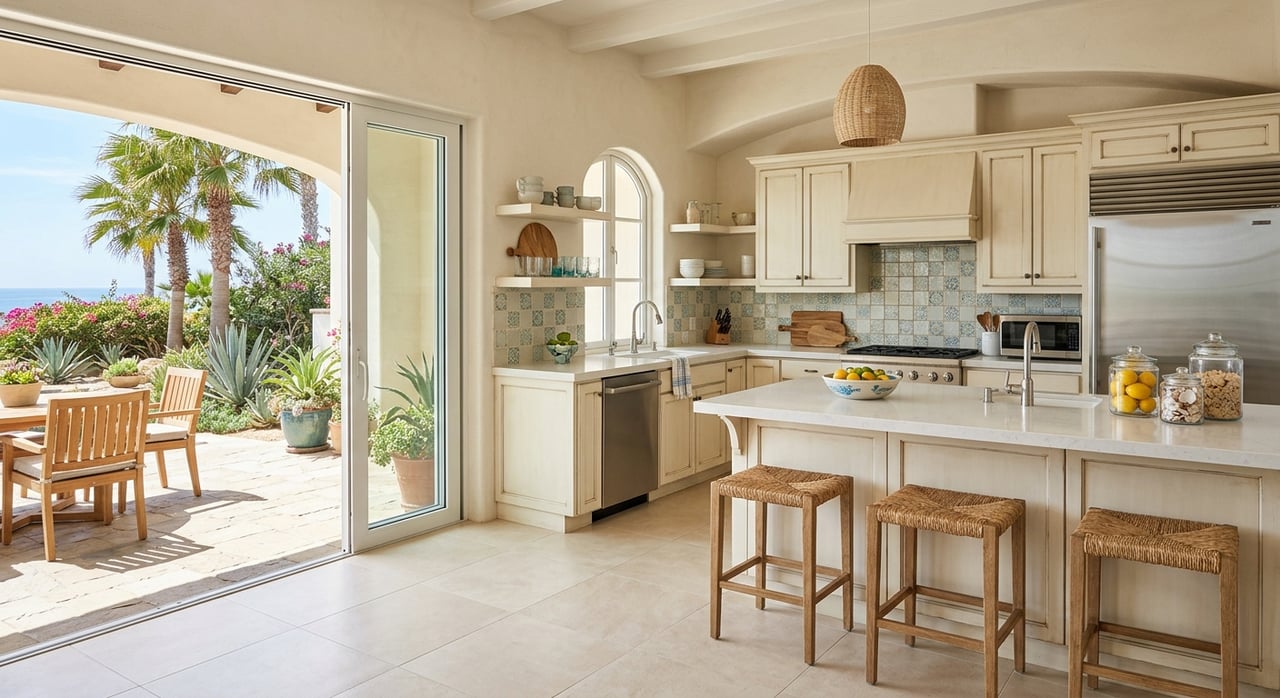
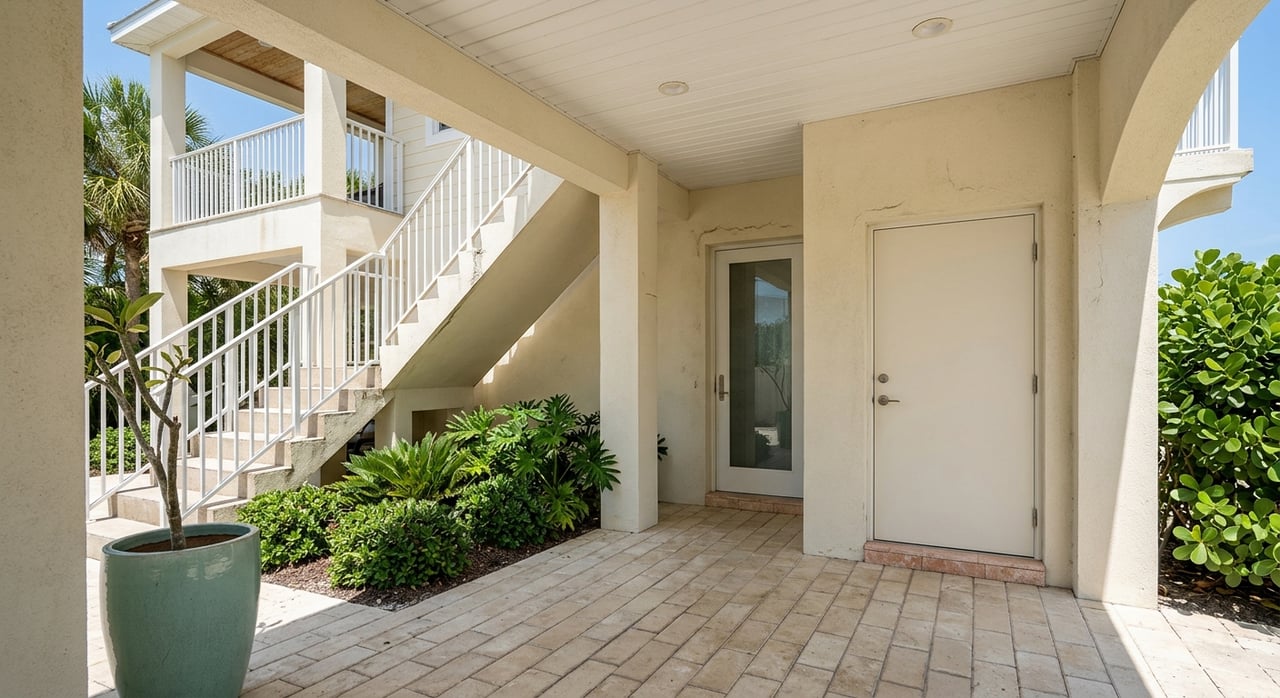
Condo listings in Marathon often include shared amenities that support a relaxed island routine. Current examples mention waterfront pools, tiki huts, elevators, docks, trailer parking, optional or deeded boat slips, and clubhouse or resort-style features. Some listings also advertise weekly rental permission, though rules vary by community and should always be verified.
That amenity package can be a strong fit if you want a seasonal base where much of the exterior upkeep is handled at the association level. You may be able to arrive, enjoy your time on the water, and leave without worrying as much about routine maintenance tasks around the grounds or building exterior. For many buyers, that convenience is a major plus.
What you give up with a condo
The tradeoff is that condo ownership comes with shared governance and shared financial responsibilities. In Florida, condo associations are generally responsible for maintaining common elements, though some limited common element responsibilities can be defined differently in the governing documents. That means your ownership experience depends not only on the unit itself, but also on how the association is run.
Monthly HOA dues are part of that picture. In current Marathon listings, examples included HOA dues of $642 per month and $1,057 per month. A higher monthly fee is not automatically a bad sign, but it does mean you need to look closely at what is included, how well reserves are funded, and whether major building work has already been completed or may still be ahead.
Florida’s condo laws also matter more than many buyers expect. Residential condo associations with buildings three habitable stories or higher must complete structural integrity reserve studies at least every 10 years, and milestone inspections apply to buildings three stories or more at age 30 and every 10 years after that. In saltwater areas, local enforcement may require the first milestone inspection at age 25.
These rules can affect reserves, dues, and the potential for special assessments. Florida law also gives condo buyers the right to review governing documents, annual financials and budgets, plus the latest milestone summary and reserve study materials if they apply. In a waterfront market like Marathon, reviewing those documents is not optional. It is one of the smartest steps you can take.
What you get with a single-family home
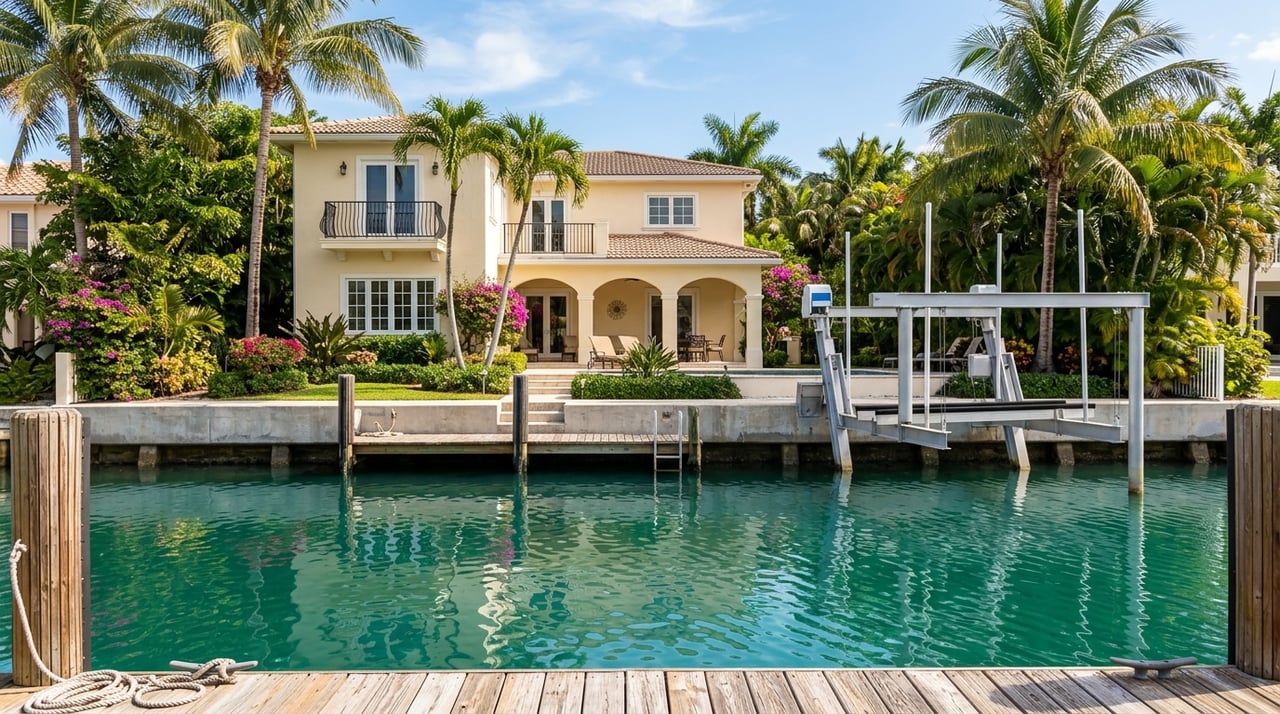
If you picture yourself walking out to your own dock, managing your own space, and shaping the property around your boating routine, a single-family waterfront home may feel like the better match. In Marathon, current listings often highlight private features such as 40- to 76-foot docks, concrete seawalls, boat lifts, pools, spas, larger yards, and storage for fishing or dive gear. Those details are a big part of the appeal.
A house also gives you more privacy and more control over how the property functions. If your priorities include space for guests, room for pets, gear storage, or a more customized dock and yard setup, a single-family property usually offers more flexibility than a condo community can. That can be especially important if you plan to spend long stretches in Marathon or use the home as a primary residence.
For many buyers, this is the emotional pull of a waterfront home in the Keys. It feels more personal, more independent, and more tailored to the way you want to enjoy the water. If your ideal day starts with stepping into your backyard, checking the dock, and heading out by boat, a house often delivers that experience more directly.
What you take on with a single-family home
More control also means more responsibility. Unlike condo ownership, single-family homes do not come with condo-style common-element maintenance by default. If the home is in an HOA, there may be some shared rules, but the owner usually carries direct responsibility for major exterior components and site improvements.
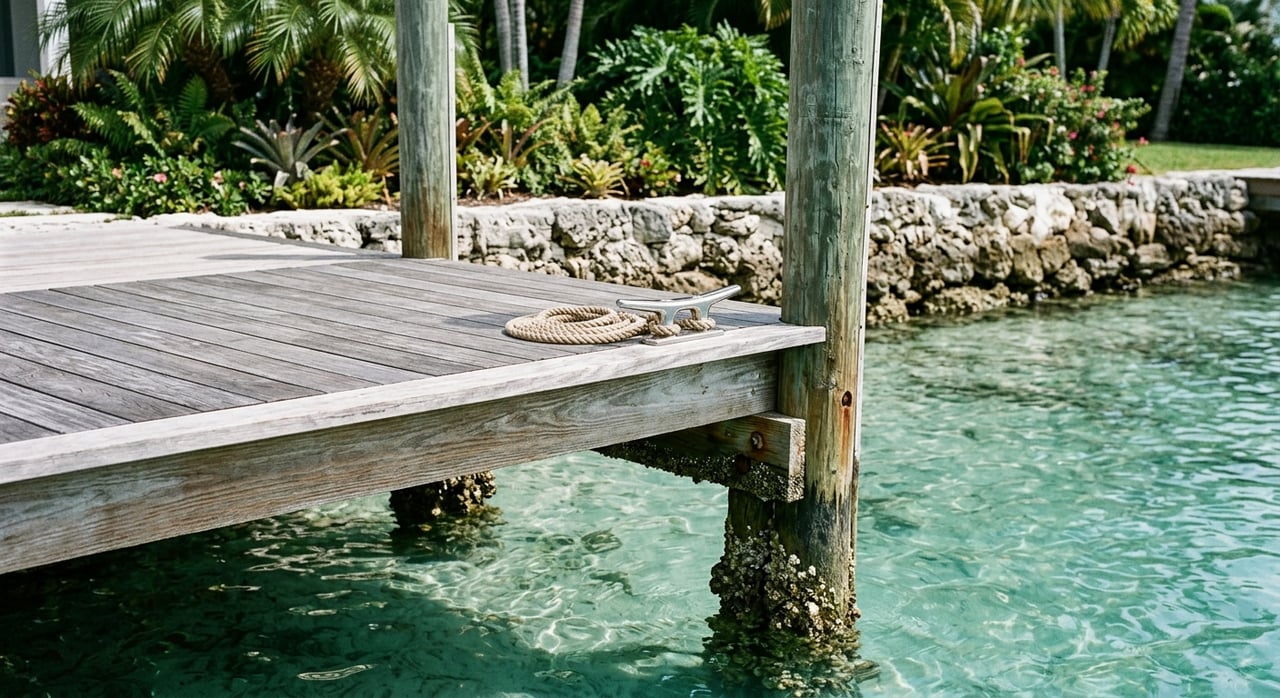
In practical terms, that can include the roof, landscaping, seawall, dock, boat lift, pool, and post-storm cleanup or repairs. Those items are not small details in a Florida Keys waterfront setting. They are a real part of the ownership experience and the long-term cost of the property.
Insurance is another major consideration. Florida’s homeowners insurance guidance notes that a standard homeowners policy typically covers the dwelling, unattached structures, personal property, liability, and medical payments, while flood insurance is usually purchased separately and is not typically included in a homeowners policy. The state also notes that windstorm coverage may need to be separate in a wind-pool area.
That does not mean a house is the wrong choice. It means you should go in with clear eyes. If you value autonomy and waterfront function more than simplicity, the added responsibility may feel well worth it.
Insurance differences to understand
One of the biggest practical differences between condos and houses is how insurance works. With a condo, the association generally insures the building structure as defined by its governing documents, while your personal HO-6 policy typically covers your personal property, certain items inside your unit, and liability. Florida’s consumer guidance also warns that condo owners can be assessed for damage to common areas if the association lacks reserves, and state law requires at least $2,000 of loss-assessment coverage in an HO-6 policy.
With a single-family home, you are typically insuring the dwelling itself, along with other property components covered by the policy. Flood coverage is generally separate, and wind-related coverage can involve additional planning. The result is simple: condo insurance may feel more segmented, while home insurance usually places more of the overall property risk directly on you.
Lifestyle fit matters most
The right choice often comes down to how you plan to use the property. If you want a lower-maintenance second home with shared amenities and possibly some rental flexibility where allowed, a condo may line up well with your goals. It can offer a more lock-and-leave experience, which appeals to many seasonal owners.
If you want privacy, a more customized boating setup, and direct control over improvements, a single-family home may be worth the higher cost and heavier maintenance load. That is often the better fit for buyers who see the property as a long-term personal base rather than a simpler getaway.
In Marathon specifically, the common thread is the water-access lifestyle. The real question is whether you want to outsource more of the upkeep to an association or keep more control at the property level. Once you answer that honestly, the decision usually gets much clearer.
How to compare your options wisely
Before you decide, focus on the details that affect real day-to-day ownership.
If you are considering a condo
- Review monthly HOA dues carefully
- Ask what the dues cover
- Confirm whether a boat slip is deeded, assigned, optional, or unavailable
- Review budgets, reserves, and annual financials
- Request milestone inspection and reserve study materials if applicable
- Check rental rules and usage restrictions
- Understand what the master policy covers versus your HO-6 policy
If you are considering a single-family home
- Evaluate dock length, seawall condition, and boat-lift setup if present
- Budget for roof, exterior, landscaping, pool, and storm-related upkeep
- Review insurance options for homeowners, wind, and flood needs
- Consider how much storage and outdoor space you want
- Think about whether you want turnkey simplicity or room to customize
The bottom line for Marathon buyers
There is no one-size-fits-all winner between Marathon waterfront condos and single-family homes. A condo can be the smarter choice if you want easier upkeep, shared amenities, and a lower entry point into the waterfront market. A single-family home can be the better move if you want privacy, direct dock access, and more say over how the property works now and over time.
The best decision is the one that fits your boating habits, your maintenance tolerance, and the way you want to enjoy Marathon. If you want local guidance on comparing dockage, seawalls, condo documents, or waterfront value in the Middle Keys, Island Welcome Real Estate is here to help you find the right fit with clear, concierge-style support.
FAQs
What is the main difference between a Marathon waterfront condo and a single-family home?
- A waterfront condo usually offers a lower entry price and shared amenities with less exterior maintenance, while a single-family home usually offers more privacy, more customization, and more direct responsibility for the property.
How much do Marathon waterfront condos cost compared with homes?
- As of late June 2026, Redfin showed Marathon condos with a median listing price of about $554,000, while waterfront homes had a median listing price of about $1.1 million.
What should you review before buying a Marathon condo?
- You should review HOA dues, budgets, reserves, financials, governing documents, slip ownership details, rental rules, and any milestone inspection or structural reserve study materials that apply.
What maintenance comes with a Marathon single-family waterfront home?
- Single-family owners often handle direct upkeep for items such as the roof, landscaping, seawall, dock, boat lift, pool, and storm recovery.
What insurance coverage is typical for a Marathon condo?
- A condo owner’s HO-6 policy typically covers personal property, certain interior items, and liability, while the association generally covers the building as defined by its governing documents.
What insurance coverage is typical for a Marathon single-family home?
- A standard homeowners policy typically covers the dwelling, other covered structures, personal property, liability, and medical payments, while flood insurance is usually separate and windstorm coverage may also require special planning.