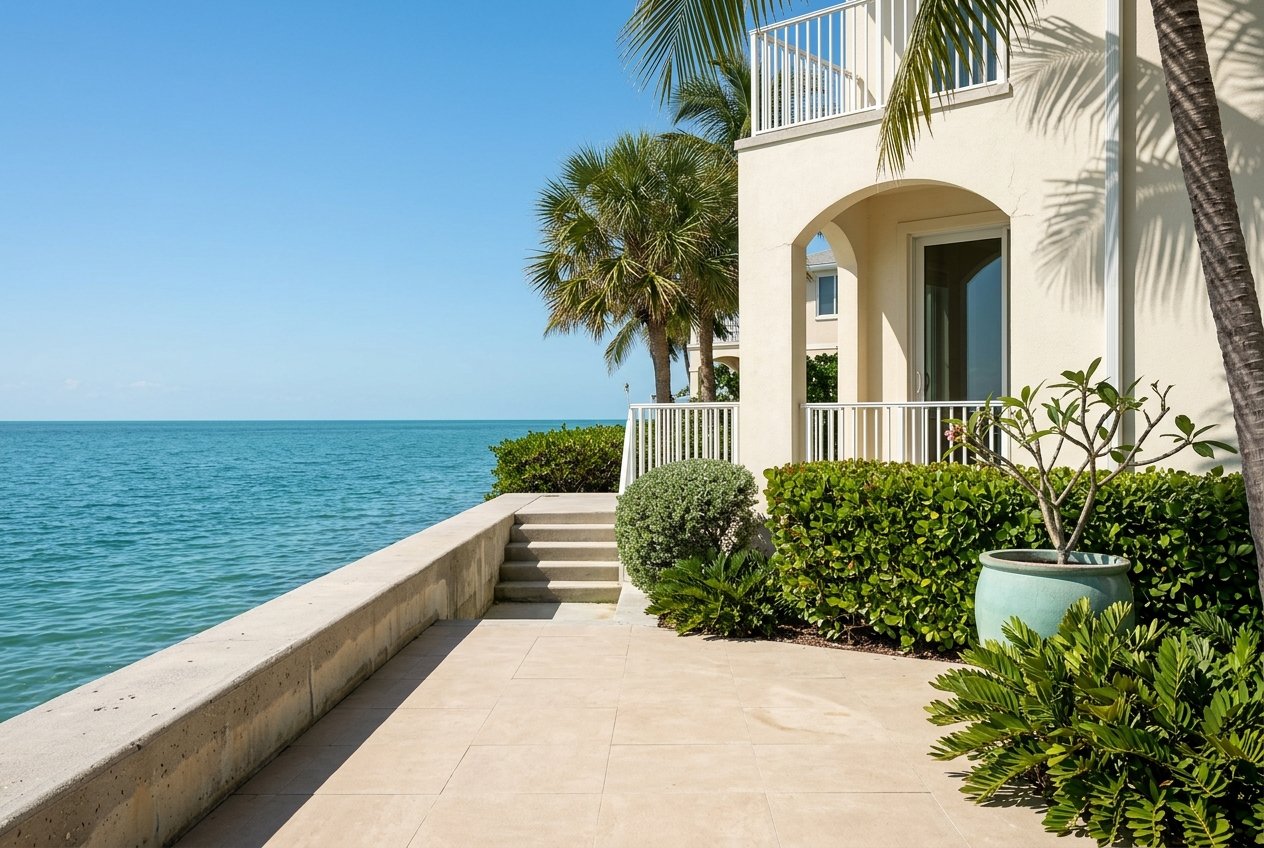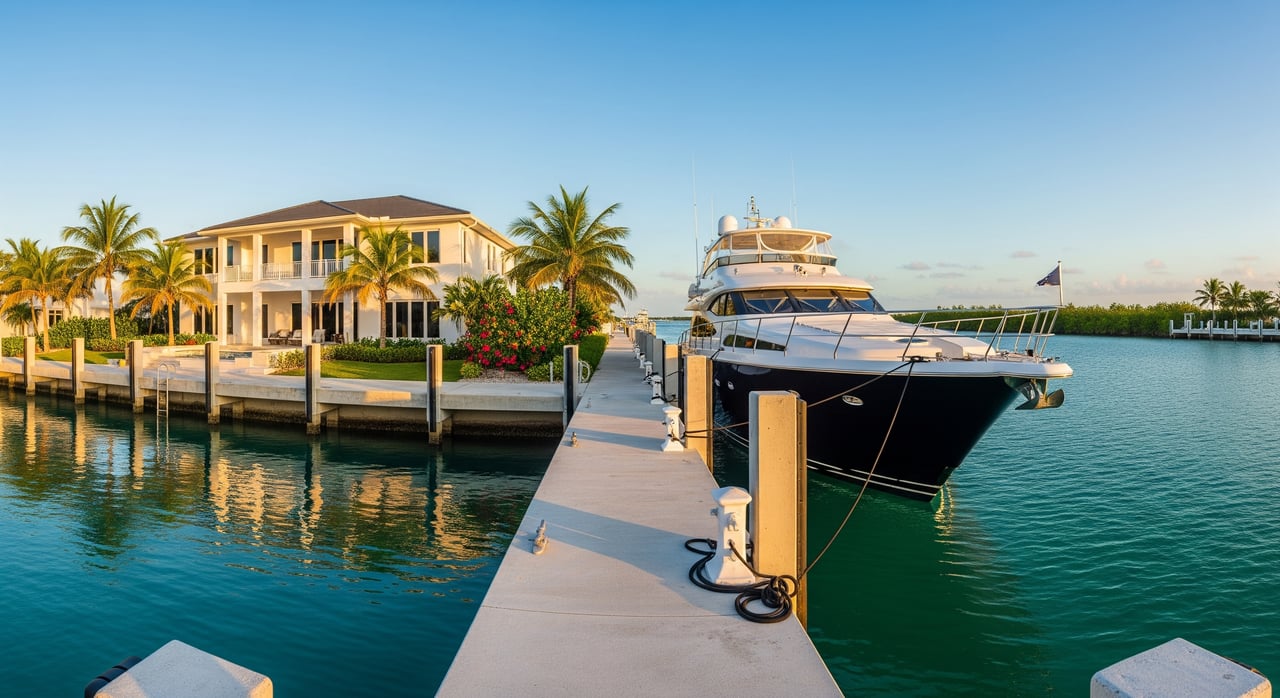
Bringing a big boat to Marathon and want a home dock you can use at low tide? You are not alone. Many buyers look for reliable, year‑round access without constant dredging or guesswork. In this guide, you will learn what deep‑water dockage really means in Marathon, which areas often work best, the tradeoffs to consider, and a simple checklist to confirm a property fits your boat and lifestyle. Let’s dive in.
What “deep‑water dockage” means here
Deep‑water dockage in Marathon generally means you can reach maintained, deeper channels at typical low tides without frequent private dredging. The key is usable depth at mean low water for your vessel and route. Always verify with recent NOAA nautical charts and local surveys before you buy.
Several local factors affect dock usability. Tidal range, shoaling at canal mouths, bridge clearance, and wake exposure can change your day‑to‑day experience. You also want to know if nearby channels are maintained and whether the route from your dock to open water is straightforward. When in doubt, speak with the City’s harbor staff at the City of Marathon marina, local marinas, or a marine surveyor.
Match your boating style to the location
Offshore angler with a 40–60’ express
You want fast access to Hawk Channel and offshore waters with dependable depth. Ocean‑ or Atlantic‑facing frontage can offer deeper natural water and direct routes. Expect more exposure to wind and waves, so construction quality and insurance considerations matter.
Family with a 25–35’ center console
You likely want protection, straightforward navigation, and a private lift or slip. Deep canals that lead to maintained channels can work well, especially when canal entrances are stable. Proximity to fuel, pump‑out, and service is a plus.
Marina amenities first
If fueling, pump‑out, haul‑out, and professional services are your priority, consider properties close to full‑service marinas. You may own a waterfront home without a large private dock and lease a slip nearby. Slip availability and costs vary by season and vessel size.
Marathon areas to consider for deep‑water access
Depth and conditions vary lot by lot. Treat the notes below as patterns to investigate rather than guarantees.
Key Colony Beach canal systems
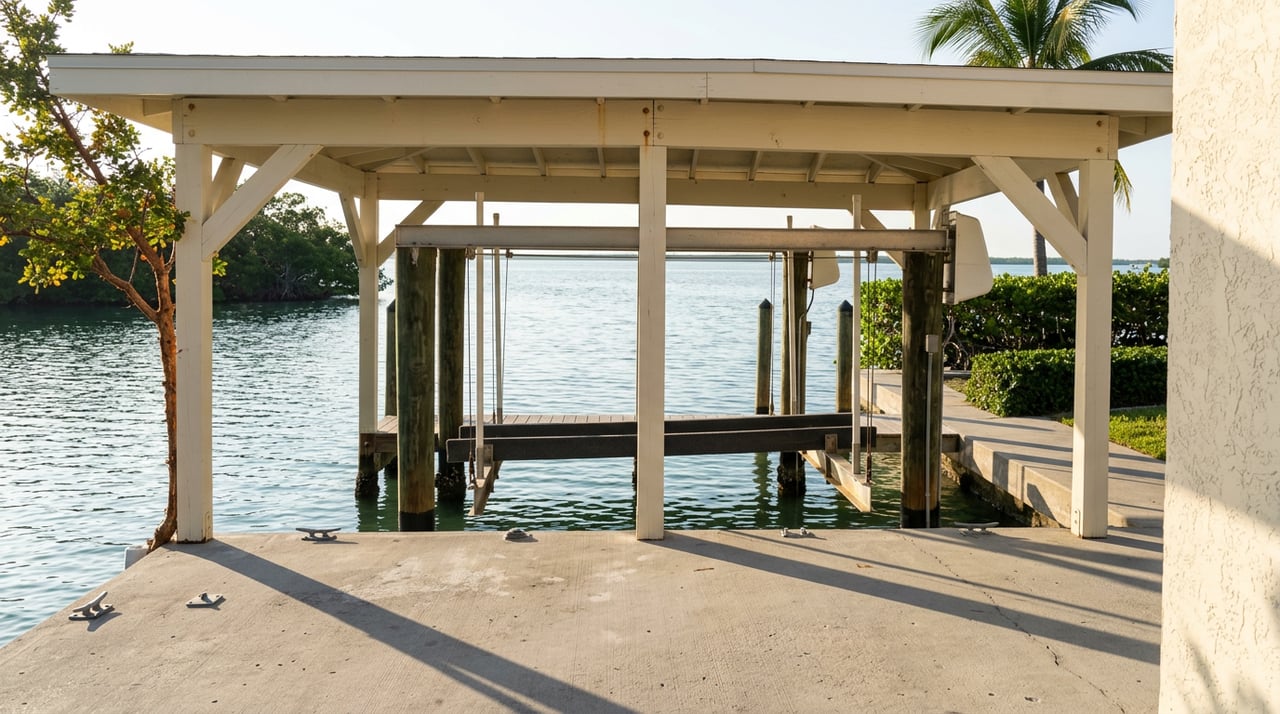
Many parcels in Key Colony Beach feature canalfront living with backyard dockage. Where canals open cleanly into deeper routes, these can be excellent for private docks and lifts. Confirm the canal’s shoaling history, bridge heights, and whether any dredging has occurred.
What to verify:
- Canal entrance depth at mean low water using NOAA nautical charts.
- Whether the route to maintained channels is direct and free of low bridges.
- Structural condition of seawalls, pilings, and dock.
Vaca Key Atlantic/Sombrero side
Atlantic or Hawk Channel frontage around the Sombrero area can offer some of the deepest natural access and quick runs offshore. Exposure to wind and waves can be higher, so dock design and materials must handle more energy. Insurance and storm planning deserve extra attention here.
What to verify:
- Wave exposure, prevailing winds, and wake conditions.
- Dock construction standards and any needed upgrades.
- Flood zone, elevation, and insurance requirements.
ICW frontage and protected basins
Parcels that front the Intracoastal Waterway or lie on maintained channels can provide reliable, protected access. These routes are often calmer than ocean‑facing lots. Channel conditions can change over time, so check for recent maintenance or shoaling reports.
What to verify:
- Current channel alignment and aids to navigation on NOAA nautical charts.
- Any recorded dredging history or planned maintenance with local authorities.
- Speed zones that affect transit times.
Near full‑service marinas (Faro Blanco)
Homes near major marinas may pair a waterfront lifestyle with leased or transferable slips. The Faro Blanco Resort & Yacht Club marina is a well‑known, full‑service option in Marathon. This setup can reduce private maintenance while giving you access to fuel, pump‑out, and mechanical support.
What to verify:
- Slip availability, vessel size limits, and depth at the slip.
- Services offered, haul‑out options, and storm plans.
- Any HOA or deed limits on docking at the residence.
Boot Key Harbor mooring and access
Boot Key Harbor is a protected boating hub with a large public mooring field managed by the City. It is a great option if you prefer a mooring or need short‑term shelter, but it is different from private deep‑water dockage. Large areas can be shallow, so do not assume private deep docks are available in every section.
What to verify:
- Mooring policies and availability through the City of Marathon marina.
- Depth along your specific approach route.
- Local speed zones and no‑wake areas.
Permits and protections that shape dockage
Waterfront improvements in Marathon involve local, state, and federal rules. Before you plan a dock, lift, or dredging, confirm what is allowed and what permits you need.
- Local rules. Zoning, setbacks, and design standards apply. Review the Monroe County Land Development Code and contact the City of Marathon for current requirements.
- State permits. The Florida Department of Environmental Protection’s Environmental Resource Permitting program covers coastal work, mangrove protection, and possible Sovereignty Submerged Lands leases.
- Federal permits. The U.S. Army Corps of Engineers, Jacksonville District oversees in‑water work and dredging.
- Sanctuary rules. The Florida Keys National Marine Sanctuary regulations may affect anchoring, dredging, and in‑water structures.
- Wildlife and speed zones. Check Florida Fish and Wildlife Conservation Commission manatee protection zones when planning routes and speeds.
A smart due diligence checklist
Use this step‑by‑step list to evaluate any property you are considering for deep‑water dockage.
Depth and navigation
- Review the latest NOAA nautical charts for the lot, canal entrance, and route to open water.
- Ask nearby marinas and boatyards about shoaling history and any recent dredging.
- Have a marine surveyor check depths at mean low water along the approach.
Permitting feasibility
- Speak with the City of Marathon and Monroe County about dock, lift, and seawall permits.
- Confirm if a state submerged lands lease or consent is required through FDEP.
- If dredging might be needed, outline approvals from FDEP and USACE and any mitigation.
Infrastructure and services
- Map proximity to fuel, pump‑out, haul‑out, mechanics, and winter storage.
- Confirm shore power and potable water at the dock or nearby marina.
- If relying on a marina slip, verify contract terms and storm plans.
Environmental and insurance impacts
- Check FEMA flood zones and base flood elevations using the FEMA Flood Map Service Center.
- Understand mangrove, seagrass, and sanctuary protections that could affect work.
- Get quotes for homeowners and marine insurance based on exposure and dock design.
HOA, deed, and access
- Review any HOA or deed restrictions on dock size, lifts, or use.
- Confirm riparian rights and any recorded navigation easements.
Structural condition and maintenance
- Inspect seawalls, bulkheads, pilings, and docks for wear or settlement.
- Confirm barge or crane access for future repairs.
Quick pros and cons by access type
Canalfront docks
- Pros: Privacy, convenience, potential for lifts, calmer water.
- Cons: Canal mouth shoaling and bridge limits can restrict vessels.
Atlantic/Hawk Channel frontage
- Pros: Naturally deeper water and fast offshore access.
- Cons: More exposure, higher construction standards, insurance considerations.
ICW or maintained channels
- Pros: Protected water and consistent depths when channels are maintained.
- Cons: Conditions change over time; verify maintenance.
Marina‑centric living
- Pros: Full services, stable depth, less private maintenance.
- Cons: Slip costs and availability vary by season and boat size.
Your next best steps
- Start with current NOAA nautical charts for your boat’s draft and target area.
- Call the City of Marathon harbor office and review local codes for dock feasibility.
- Inspect existing seawalls and docks and budget for upgrades where needed.
- Confirm insurance, flood zone, and environmental rules early to avoid surprises.
If you want a guide who lives this every day, we are here to help. Our team pairs waterfront expertise with concierge service to match you to the right property, dock type, and route to open water. Reach out to Island Welcome Real Estate to talk boats, drafts, and neighborhoods that fit your lifestyle.
FAQs
How do I confirm deep‑water access for my specific boat in Marathon?
- Check recent NOAA nautical charts, consult local marinas for shoaling history, and hire a marine surveyor to verify depths at mean low water along your approach.
Can I build a dock and boat lift on any Marathon waterfront lot?
- Not always. You need local permits and may need approvals from FDEP and the USACE, and environmental protections like mangroves or seagrass can limit design or require mitigation.
Is buying near a marina better than a private dock in Marathon?
- It depends. Marinas offer services, depth, and storm plans but involve slip costs; private docks give convenience and privacy but can require more maintenance and permitting.
How do hurricanes affect deep‑water dock choices in Marathon?
- Exposed sites often need stronger designs and may have higher insurance. Many owners prefer protected basins or marina slips with formal storm plans and construct docks to current coastal standards.