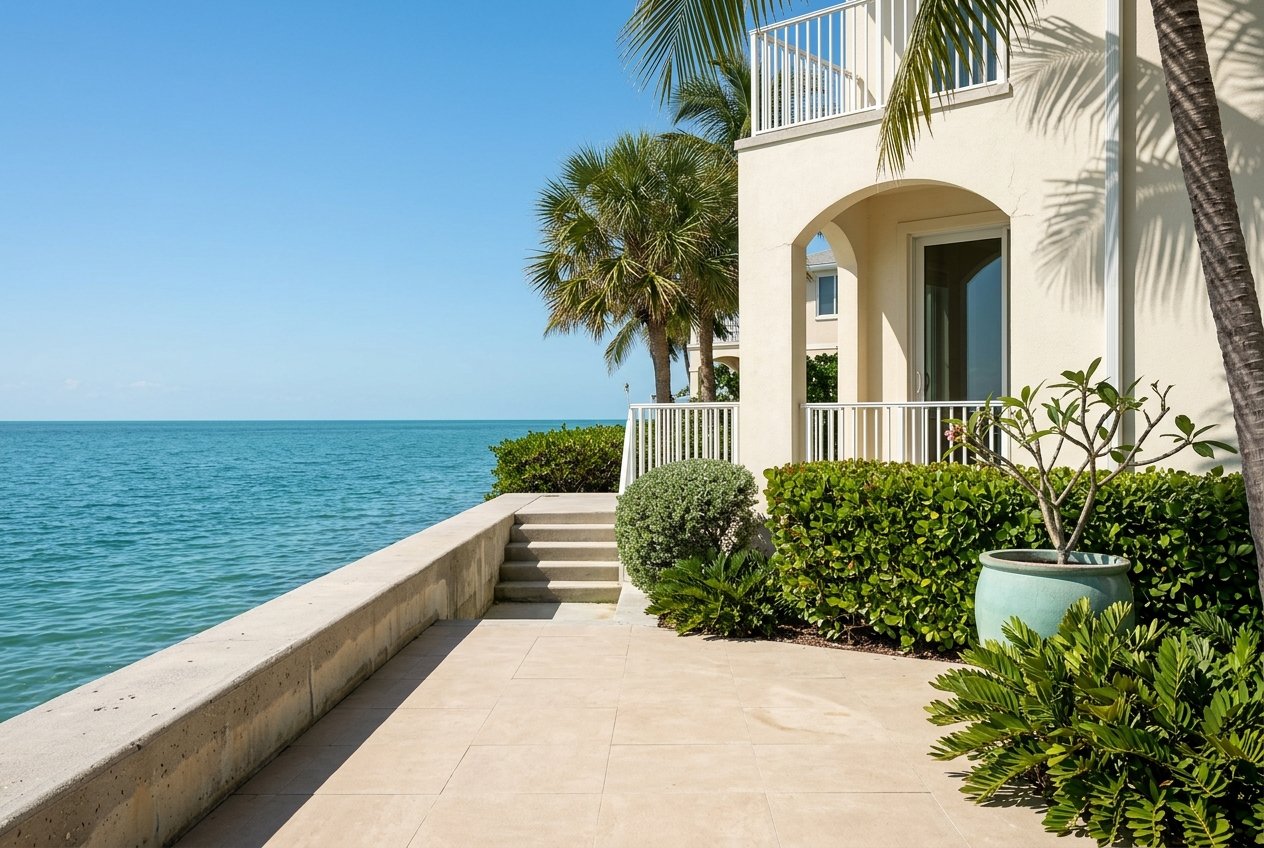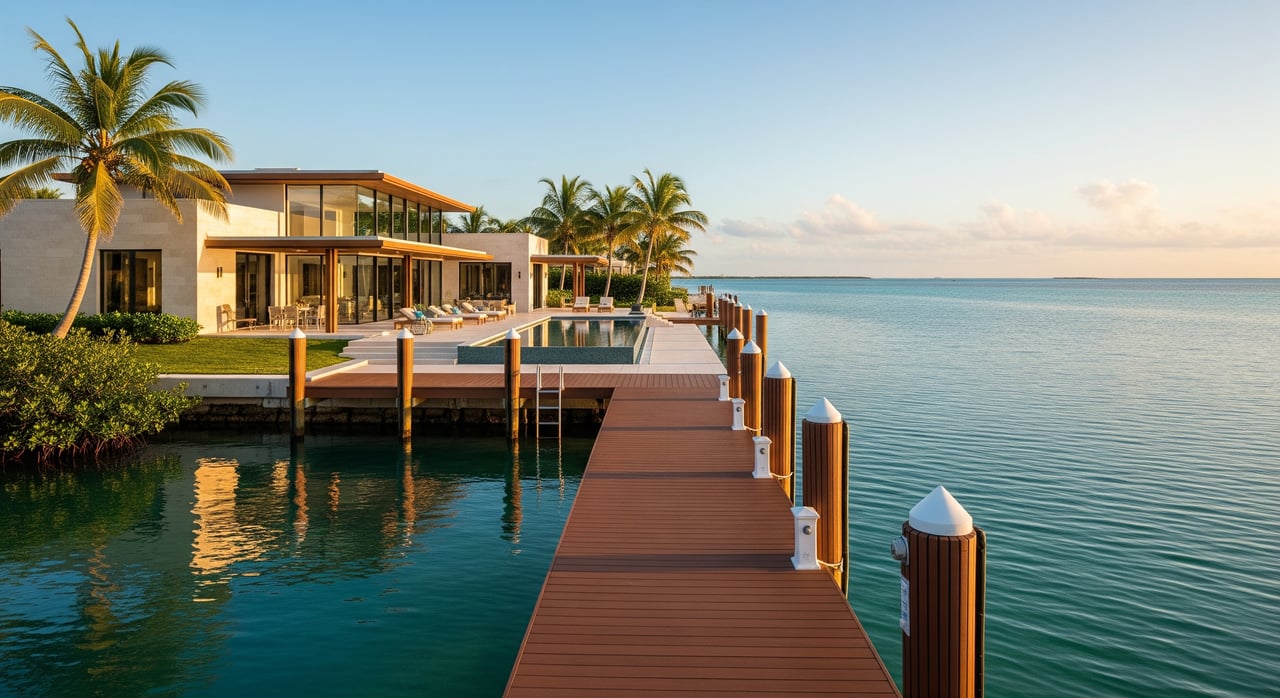
Thinking about a Key Largo home where you can keep your boat out back but not sure if canalfront or oceanfront is right for you? You are not alone. The choice affects your boating routine, insurance, maintenance, and views every day you live there. In this guide, you will learn the real differences that matter and how to match the property type to your lifestyle. Let’s dive in.
Quick look: canalfront vs oceanfront
| Priority | Canalfront | Oceanfront |
|---|---|---|
| Boating access | Protected docking, but depth and width vary by canal | Immediate access to open Atlantic waters |
| Vessel size | Often ideal for skiffs and center consoles; verify draft and bridges | Better for larger boats needing deeper water |
| Wave exposure | Lower daily swell; subject to boat wakes and surge in storms | Higher wave energy and wind exposure, especially in storms |
| Views | Framed canal views; neighborhood vibe | Panoramic ocean horizon and sunrise vistas |
| Permitting | Dock and lift rules depend on canal, seagrass, and navigation | Stricter coastal rules and setbacks can apply |
| Insurance | Often AE or VE flood zones; premiums vary by elevation | Often V or VE zones with wave action; premiums can be higher |
| Maintenance | Seawall, dock, lift upkeep; potential canal sedimentation | Hardier shoreline structures; more salt and storm wear |
| Value drivers | Dock specs, canal depth, lift capacity | Scarcity, views, direct ocean access |
Boating and access
If getting offshore fast is your top priority, oceanfront makes it simple. You have direct access to open Atlantic waters and shorter runs to reefs and dive sites. Larger vessels often favor oceanfront for depth and maneuvering room.
Canalfront living fits many boaters who want protected docking and a calmer, family-friendly setting for loading gear, rinsing down, and everyday use. That said, canal depth and width vary widely in Key Largo. Before you make an offer, verify:
- Channel depth at mean low water and your boat’s draft.
- Any fixed bridges or overhead height limits.
- Permitted dock length and lift capacity.
Use official resources to check conditions. You can review channel information with NOAA nautical charts and confirm flood zones at the FEMA Flood Map Service Center. Always ask sellers for recent soundings and any dredging or dock work records.
Wave action and weather
Oceanfront properties sit in the path of wind-driven waves and swell. During strong weather, they face more direct wave energy and storm surge. That often means elevated foundations, stronger seawalls, and corrosion-resistant materials.
Canalfront homes are more sheltered from daily swell, but they are not immune to storms. Surge can propagate into canals and, depending on canal shape, water can funnel and rise quickly. Your maintenance plan should include routine seawall and dock inspections no matter which side you choose.
Views and orientation
Oceanfront is the clear winner for unobstructed horizons and sunrise views along the Atlantic side. Canalfront views feel more intimate and neighborhood-oriented. Orientation matters:
- East-facing ocean lots favor sunrises and the open horizon.
- West-facing canal or bay lots often capture sunsets.
- Some canal homes have limited ocean glimpses depending on location.
Choose what you want to see with your morning coffee. The right view is a daily joy and a long-term value driver.
Privacy and daily feel
Canalfront living often feels quieter and more community-focused, with views of docks and neighboring boats. Oceanfront can feel more open and exposed, especially near public shoreline access, but delivers that signature “big water” experience. Think about how you use outdoor spaces for dining, lounging, and hosting.
Permitting and environmental rules
Shoreline work in the Keys is tightly regulated to protect sensitive habitats. Plan ahead and build your improvement timeline into the purchase process. Key points:
- Mangroves are protected in Florida. Trimming or removal usually requires permits and mitigation.
- Seagrass and coral habitat trigger strict limits on dredging, dock length, and in-water work.
- Oceanfront parcels can fall under the state’s Coastal Construction Control Line.
Before buying, request copies of any dock, seawall, or lift permits and as-built drawings, and ask about open code issues. Learn more about coastal permitting at the Florida Department of Environmental Protection’s Coastal Construction Control Line page, sanctuary regulations through the Florida Keys National Marine Sanctuary, and local requirements from the Monroe County Building Department.
Insurance and financing
Most waterfront homes in Key Largo sit in high-risk flood zones and require flood insurance. Oceanfront properties are often in V or VE zones, which include wave-action hazards. Many canalfront homes fall in AE or VE zones depending on elevation and modeling. Premiums depend on the home’s elevation, foundation type, and mitigation features.
- Ask for an elevation certificate early.
- Get a flood and wind estimate from an insurance professional.
- Expect lender requirements that reflect coastal construction standards. Jumbo loans for high-value oceanfront may involve more scrutiny.
Start with the FEMA Flood Map Service Center to identify flood zones and review insurance guidance through the Florida Office of Insurance Regulation.
Maintenance and long-term resilience
Waterfront homes require steady upkeep. Build a realistic annual budget for:
- Seawalls and bulkheads. Periodic repairs or replacement can be significant.
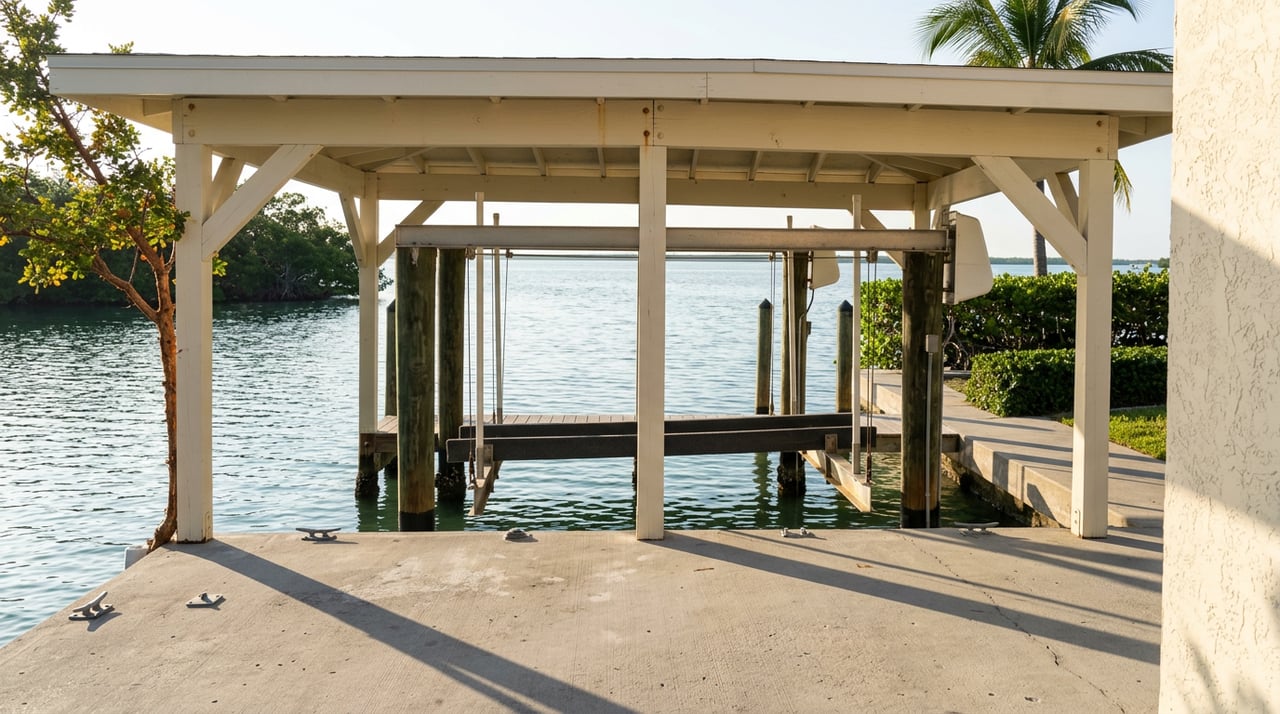
- Docks, pilings, and boat lifts. Motors, electrical, and hardware need marine-grade care.
- Corrosion and marine growth. Salt accelerates wear on metal and equipment.
- Canal sedimentation. Some canals need occasional maintenance dredging, which requires permits and neighbor coordination.
Looking ahead, regional studies point to continuing sea-level rise, which can raise baseline water levels and increase the frequency of tidal flooding. Oceanfront parcels can face greater surge and erosion risk over time, while canal systems may see higher water inside basins. Explore scenarios with the NOAA Sea Level Rise Viewer.
What fits your lifestyle?
Two quick examples can help you decide:
- Offshore angler with a larger center console. You prize quick access to the Atlantic and deeper water for docking. Oceanfront usually fits best, provided the shoreline structure supports your boat.
- Family boater with a shallow-draft skiff and weekend cruising. You want protected docking and easier day-to-day use with kids and guests. Canalfront often delivers better value with lower daily wave action.
In both cases, the dock matters as much as the address. Match boat draft, beam, and height to verified canal depth and permitted dock specs.
Buyer checklist for Key Largo waterfront
Use this list before you write an offer:
Boating and navigation
- Authorized dock length and copies of dock/seawall permits.
- Channel depth at mean low water and any dredging history.
- Fixed bridges or overhead restrictions and low-tide draft limits.
- Distance and time from your dock to the ocean or protected channel.
- Local speed or no-wake zones that could affect travel time.
Insurance and flood risk
- FEMA flood zone and any available elevation certificate.
- Estimated flood and wind premiums from an agent.
- Past flood or wind claims, if known.
Structural and shoreline condition
- Seawall age and condition, latest inspection, active permits or violations.
- Dock and lift documentation: capacity, recent repairs, electrical condition.
Environmental and permitting constraints
- Any restrictions tied to mangroves, seagrass, or nearby coral.
- Whether the property is within a Coastal Construction Control Line area.
Utilities and sanitation
- Sewer vs septic and any upgrade requirements.
- Power and water at the dock for lifts and shore power.
Resale and value
- Recent sales of comparable canalfront and oceanfront homes.
- Buyer demand for your dock size, depth, and orientation.
How we help you compare options
Choosing between canalfront and oceanfront in Key Largo is easier when you have local, waterfront-specific guidance. We help you verify canal depths, review dock and lift permits, read flood maps, and understand how maintenance and insurance affect total ownership cost. When you are ready to tour, we will line up homes that match your boat, your view preferences, and your lifestyle.
If you want a clear, concierge path to your Keys home, connect with Island Welcome Real Estate. Start Your Island Search.
FAQs
What should first-time Key Largo waterfront buyers check before an offer?
- Verify canal depth, dock permits, elevation certificate, flood zone, seawall condition, lift capacity, utilities at the dock, and any mangrove or seagrass constraints.
How do flood zones differ for canalfront vs oceanfront homes in Key Largo?
- Oceanfront is often in V or VE zones with wave action, while canalfront can be AE or VE depending on elevation and modeling; always confirm at the FEMA Flood Map Service Center.
Are canalfront homes suitable for larger boats in Key Largo?
- Only if canal depth, width, turning room, and permitted dock length match your boat’s draft and beam; verify soundings, bridge clearances, and lift specs.
Do oceanfront homes in Key Largo cost more to insure?
- They often do because of higher wave exposure and V or VE zones, but premiums vary by elevation, construction type, and mitigation features.
What environmental rules affect docks and lifts in Key Largo?
- Mangroves, seagrass, and nearby reef protections can limit dock length and in-water work; permits may involve Monroe County, Florida DEP, the Army Corps, and the Marine Sanctuary.
How does sea-level rise factor into buying on the ocean or a canal?
- Oceanfront can face increased surge and erosion risk, while canals may see higher baseline water and more frequent tidal flooding; review scenarios with NOAA’s Sea Level Rise Viewer.