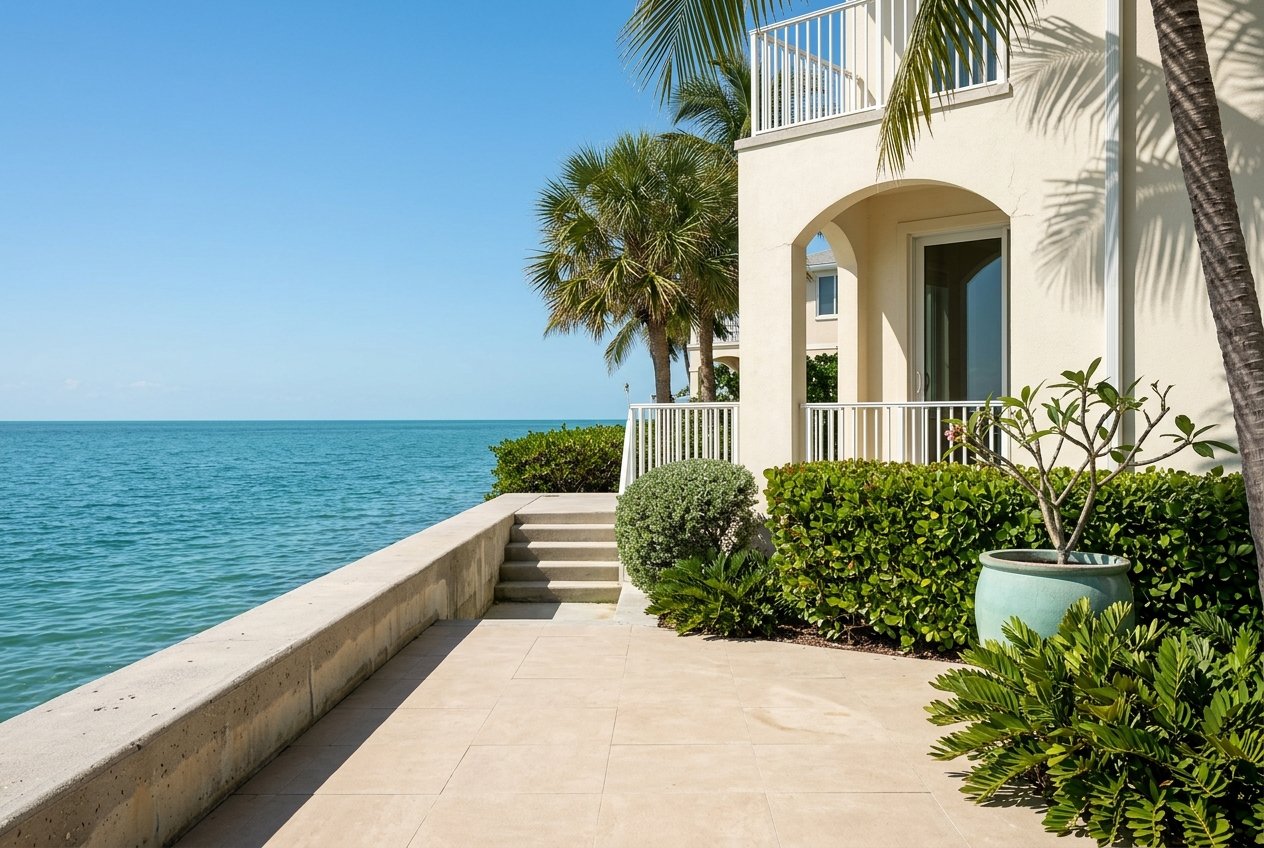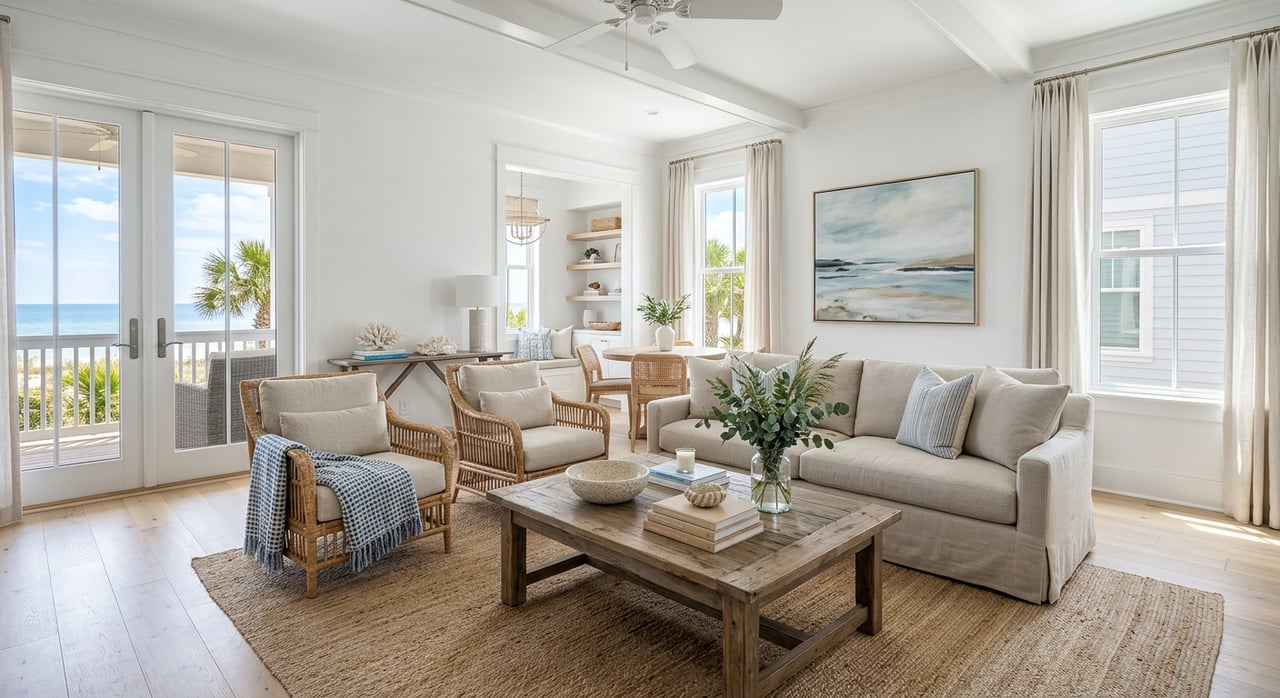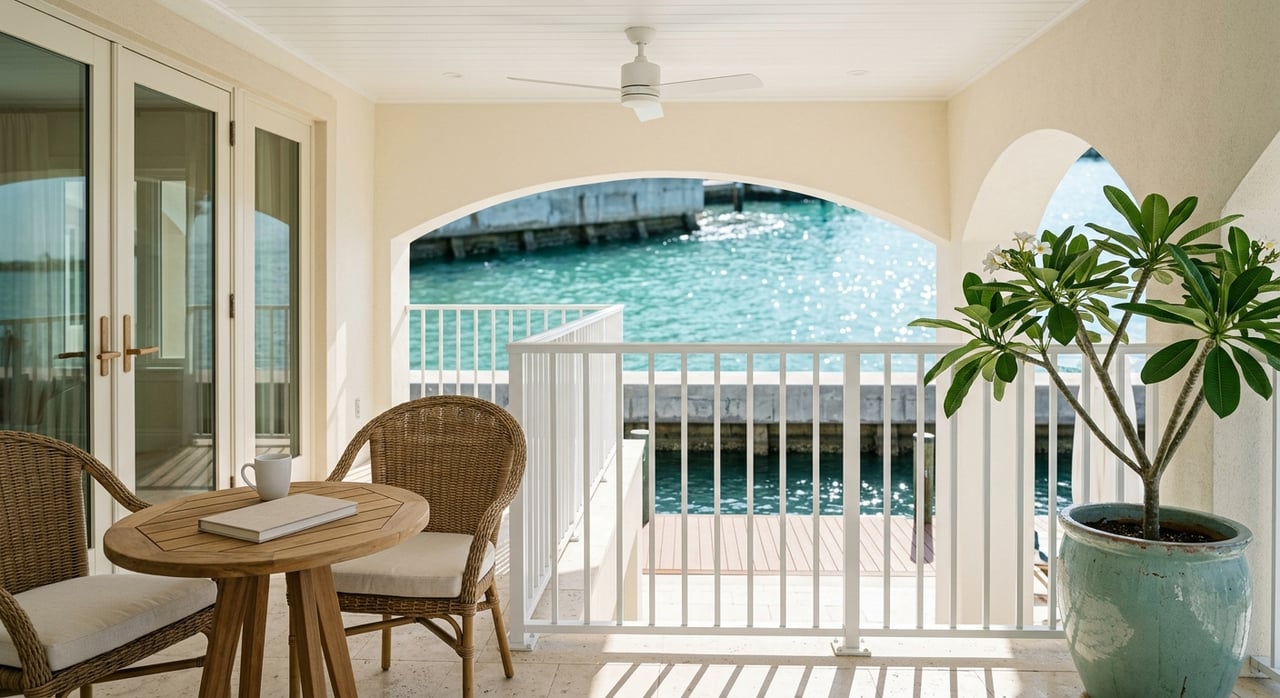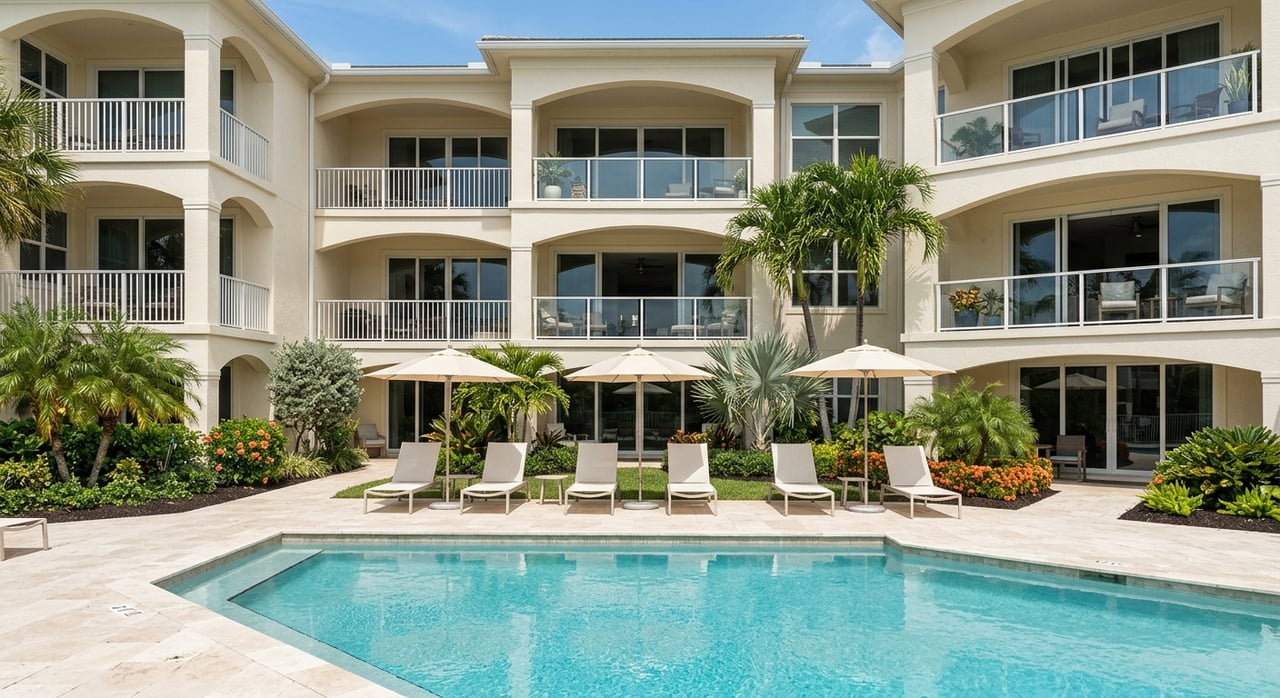
You can almost feel it now: the Friday breeze on the Overseas Highway, the first glimpse of teal water, and a quick stop for fresh seafood before sunset. If you’re picturing easy weekends, long winter stays, and time on the water, you’re in the right place. In this guide, you’ll learn what day‑to‑day life looks like when you own a second home in Islamorada, from seasonal rhythms and weekend routines to boating culture, travel logistics, and practical ownership tips. Let’s dive in.
Islamorada lifestyle at a glance
Islamorada sits in the Upper Florida Keys and moves to an island rhythm shaped by the water and the seasons. The village is known for sportfishing, snorkeling and diving, and relaxed waterfront dining. You’ll find a mix of full‑time residents, seasonal snowbirds, and second‑home owners who return year after year.
The climate is tropical, with warm, humid summers and mild winters. The official Atlantic hurricane season runs June 1 through November 30, according to NOAA’s National Hurricane Center, and it influences insurance, travel plans, and preparedness. Peak visitor season usually runs December through April, when the weather is mild and the island feels lively.
How owners really use their homes
Most second‑home owners fall into a few patterns. Weekenders from South Florida arrive Friday, spend most of Saturday on the water, and head back Sunday afternoon. Seasonal residents plan longer winter stays and sometimes rent the home when they’re away. Some buyers focus on vacation‑rental use if local rules allow, while a smaller group eventually turns a part‑time retreat into a full‑time address.
No matter the pattern, owners tend to keep the basics on hand. A small stock of linens, paper goods, and pantry staples saves time. Many line up a trusted housekeeper, property manager, and boat mechanic, plus recurring maintenance to keep surprises to a minimum.
A weekend in Islamorada
Friday arrival
You arrive via U.S. 1, check the dock lines, set the AC, and do a quick grocery run. Some owners keep a standing provisioning list or pre‑order seafood. Sunset can be a quiet moment on the porch or an easy walk to a nearby dockside spot.
Saturday on the water
Mornings start early for offshore, reef, or flats fishing, or a snorkel on the reef when conditions allow. Midday is for shade, a pool break, or paddleboards in the canal. Evenings are simple: grill what you caught or try a favorite local restaurant.
Sunday wind‑down
Take a short walk, handle light maintenance, and secure anything outdoors if storms are in the forecast. Depart mid‑afternoon to beat traffic and you’ll be home in time to reset for the week.
Seasons and what changes
Winter and early spring
December through April is high season. The weather is comfortable, marinas and restaurants are busier, and owners plan longer stays. Spring overlaps with holidays and fishing tournaments, so book charters and slips early.
Late spring
May brings a softer shoulder season with fewer crowds. Many owners enjoy warm water without peak congestion.
Summer and hurricane season
Summer is hot and humid, and it coincides with the June to November hurricane window noted by NOAA. Many owners visit less often, focus on AC and dehumidification, and review storm plans. Pre‑season checks, shutters, and generator tests become routine.
Boating, fishing, and reef etiquette
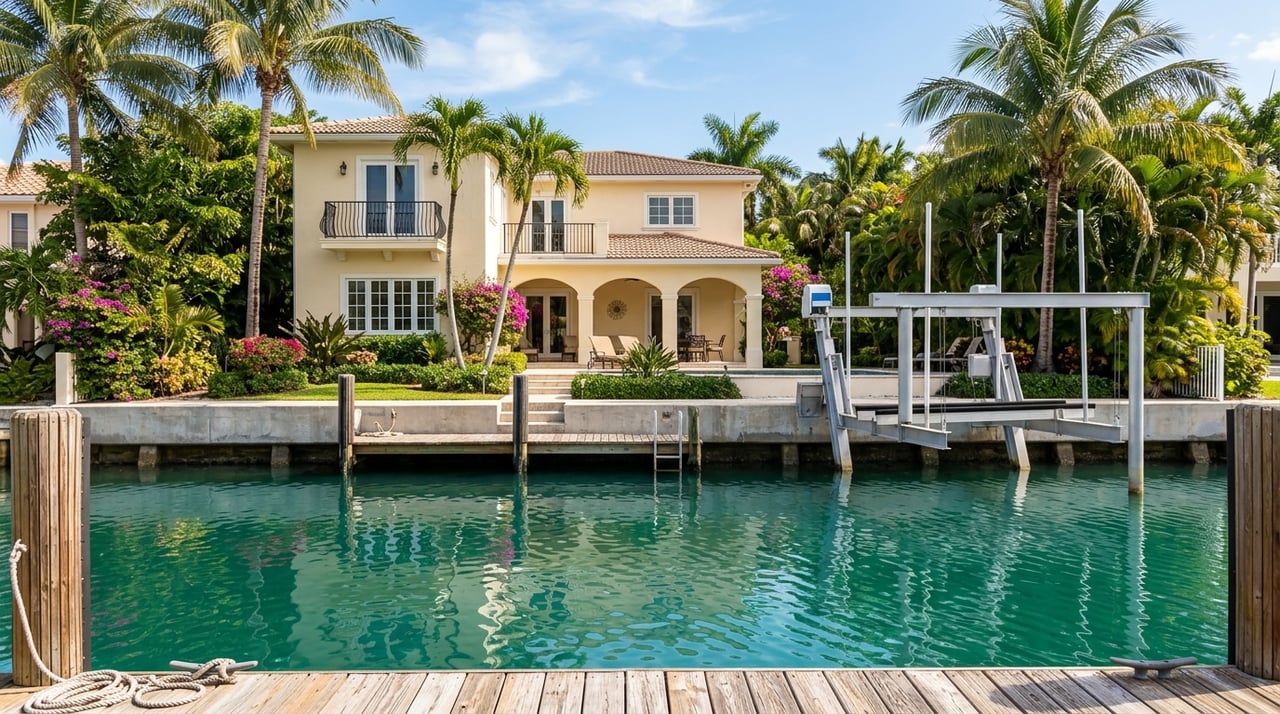
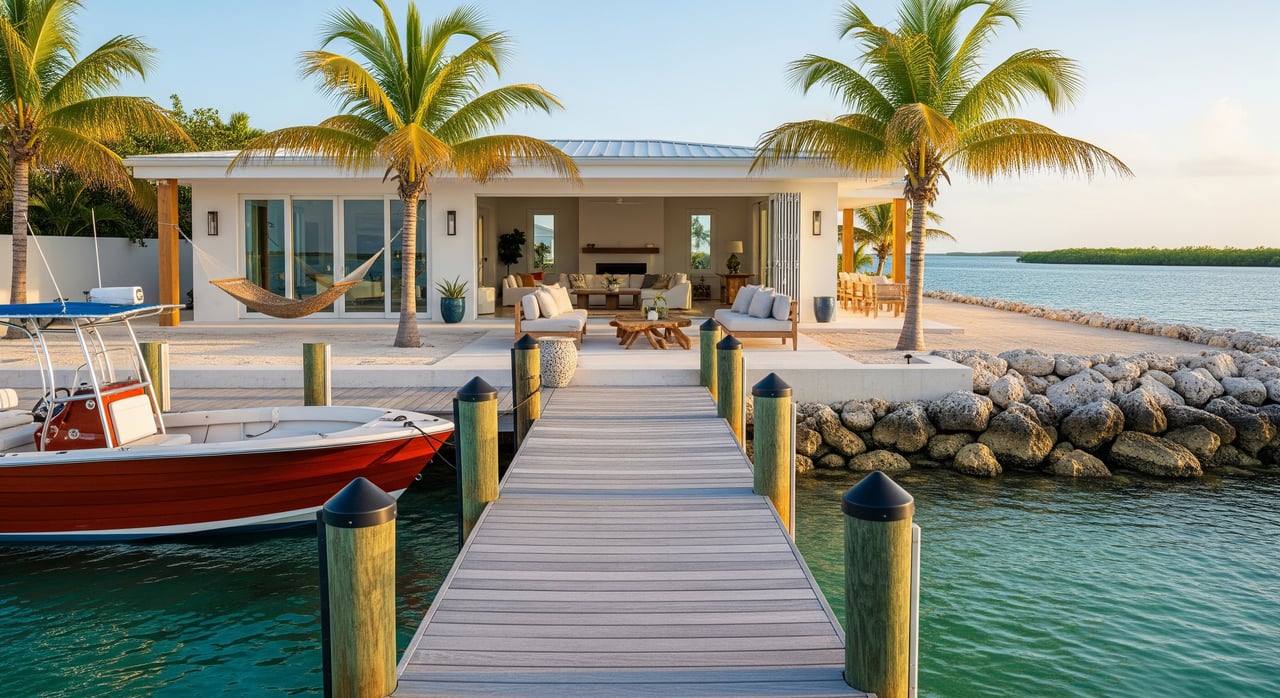
If boating is part of your plan, private dockage or reliable slip access is a major value driver. Islamorada offers a mix of canal homes with private docks, marinas with long‑term or transient slips, and public ramps. Slip availability and cost vary by season and location, so get local quotes and plan ahead.
On the water, you’ll follow Florida Fish and Wildlife Conservation Commission rules for licensing and catch limits. Review the latest FWC recreational fishing regulations before you head out. Islamorada also sits within the Florida Keys National Marine Sanctuary, which protects reefs and seagrass habitats. Use mooring buoys where available and know the zones. You can read the sanctuary’s marine regulations and guidance to plan responsible outings.
Boats and docks require recurring care. Expect routine engine service, bottom paint, line and piling checks, and power and water maintenance at the dock. Costs vary widely by boat size, frequency of use, and location.
Getting here and staying connected
For South Florida owners, Islamorada is typically a 1.5 to 2‑hour drive depending on traffic and starting point. Holiday weekends can take longer, so many plan Friday arrivals and post‑lunch Sunday departures.
Commercial air options include Miami (MIA) and Fort Lauderdale (FLL), with limited service at Key West (EYW) and Marathon (MTH). Owners sometimes use private aviation or charter options for flexibility. On‑island, you’ll find groceries, hardware, marine supplies, and clinics. For complex medical needs, many residents travel to the mainland.
Plan for island utilities and weather. Power, water, and cellular service are available, but storms can cause outages. Many second‑home owners install generators or battery backups and maintain internet redundancy if they work remotely.
Costs, insurance, and rules to know
Insurance and flood risk
Waterfront living comes with wind and flood considerations. Flood insurance is commonly required by lenders when a home sits in a mapped flood zone, and wind coverage may be a separate policy or endorsement. You can look up a property’s flood zone at the FEMA Flood Map Service Center and speak with local insurance professionals about coverage, deductibles, and mitigation features like shutters or fortified roofs.
Short‑term rentals and taxes
Short‑term rentals are regulated in the Keys. The Village of Islamorada and Monroe County require licensing, inspections, and tax compliance for vacation rentals. Transient rental and sales taxes apply to short stays, and owners or managers typically handle collection and remittance. Review current rules with the village and check the Florida Department of Revenue’s transient rental tax guidance before you list.
Building codes and maintenance
Elevated construction, wind resistance, and flood mitigation are key themes in coastal building. Renovations and new builds must meet current standards and local permitting. Start with Florida Building Code resources from the Florida Building Commission and confirm local requirements with the village’s permitting offices.
Recurring costs to budget
Your annual budget will likely include property taxes, insurance, utilities, HOA or condo fees where applicable, dock or slip fees, routine maintenance, cleaning, and landscaping or pool care. If you plan to rent, add permitting, inspections, and transient tax filings. For property data and millage information, visit the Monroe County Property Appraiser.
Smart prep checklist for new owners
- Build your island team: housekeeper, property manager, landscaper, pool tech, and a trusted boat mechanic.
- Set a hurricane plan: confirm shutters, test generators, photograph belongings, and list actions for watches and warnings.
- Stock the basics: linens, paper goods, cleaning supplies, basic condiments, and a small tool kit.
- Organize compliance: keep copies of permits, rental licenses, and vendor contracts, plus a digital backup.
- Plan boat care: schedule routine service, bottom work, and dock inspections; confirm slip arrangements early for peak months.
Is Islamorada right for you?
If you want a second home built around time on the water, easy winter escapes, and a small‑town island feel, Islamorada delivers. Weekend visits are simple if you live in South Florida, and longer winter stays feel effortless once your routines and vendors are in place. With smart planning for insurance, maintenance, and local rules, you can enjoy a low‑stress Keys retreat that fits your lifestyle.
Ready to talk through dockage, neighborhoods, and the details that matter on the water? Connect with Island Welcome Real Estate to explore options and get local guidance tailored to how you plan to use your home.
FAQs
How long is the drive from Miami to Islamorada on a typical weekend?
- Many owners plan for about 1.5 to 2 hours each way, adjusting for traffic and holiday peaks, and aim for Friday arrivals with early Sunday departures.
Do I need a private dock to enjoy boating in Islamorada?
- Not necessarily, but private dockage or a reliable marina slip is a major convenience and often increases property value; plan ahead for slip availability and seasonal demand.
What should I know about hurricane season as a second‑home owner?
- Hurricane season runs June 1 to November 30; follow NOAA guidance, maintain shutters, secure outdoor items, and create an evacuation and communication plan with local vendors.
Can I rent my Islamorada home when I am not using it?
- Often yes, but short‑term rentals require compliance with village and county licensing, inspections, and taxes; confirm current rules with the Village of Islamorada and review Florida Department of Revenue transient rental tax details.
Where can I check flood zones for a specific Islamorada address?
- Use the FEMA Flood Map Service Center to locate flood zones and discuss coverage needs with a local insurance professional.
Are there special rules for fishing and snorkeling in the Keys?
- Yes; review FWC saltwater regulations and the Florida Keys National Marine Sanctuary’s regulations to understand licenses, catch limits, and protected zones before you go.