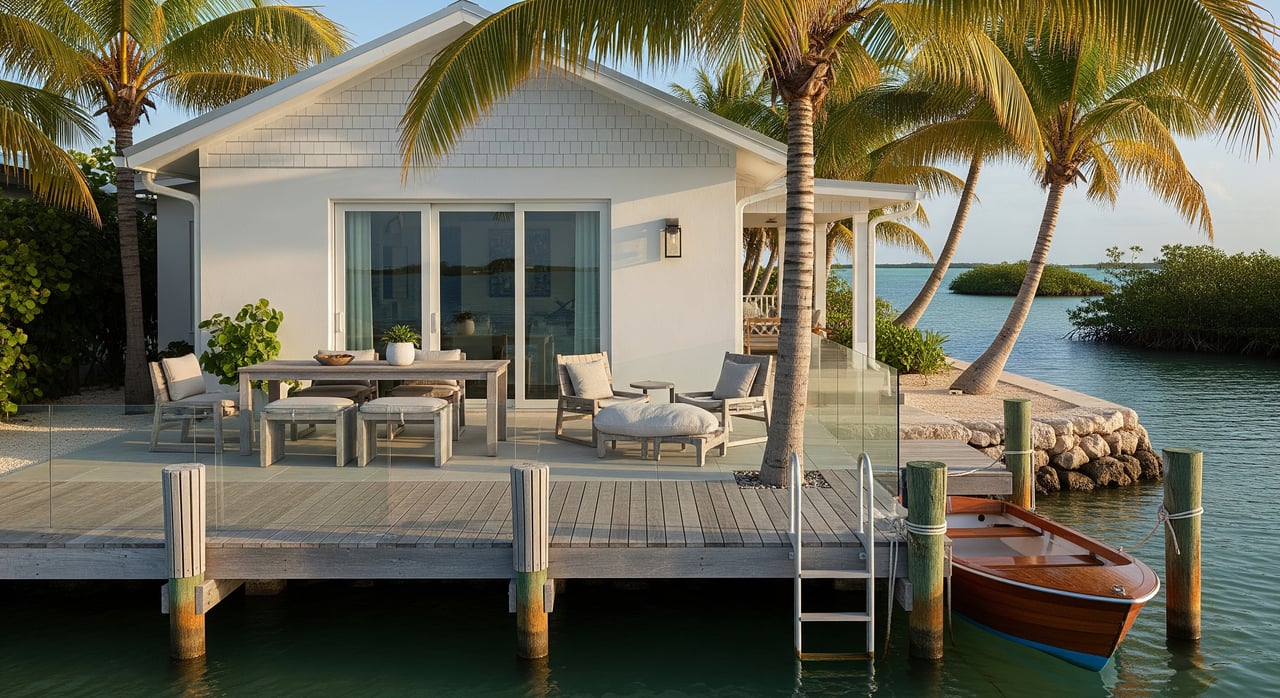
Dreaming about a getaway on Sugarloaf Key but unsure what it really costs to own a second home by the water? You are not alone. In the Keys, the sticker price is only part of the story. Insurance, storm prep, docks, and local rules all play into your budget.
This planner walks you through a step-by-step way to estimate your total cost of ownership with Keys-specific tips. You will get simple worksheets, checklists, and practical guidance so you can plan with confidence and buy smart. Let’s dive in.
Set your target price
Before you pick a budget, decide the property type that fits your lifestyle. Sugarloaf Key offers single-family homes, canalfront and oceanfront options with docks, condos, and lots. Waterfront and dockage often come with a premium and higher maintenance.
Ask your agent for recent MLS data and trends. You can also review pricing and sales on public portals and through the Monroe County Property Appraiser to see assessed values and past sales. Because the Keys are seasonal, compare winter versus summer activity to understand pricing and occupancy patterns.
One-time purchase costs
Build a complete picture of cash needed to close and settle in. Use these line items in your planner.
- Earnest money deposit
- Down payment (second-home loans often require 10–25%)
- Closing costs (title, escrow, lender fees, recording taxes, title insurance, survey)
- Home inspection and specialist checks (pest, roof, seawall, dock, septic, mold)
- Survey or elevation certificate (often needed for insurance and permitting)
- HOA or condo initiation or transfer fees
- Initial repairs or resilience upgrades (roof work, shutters, impact windows, generator)
Quick calculator: purchase costs
- Down payment = Purchase price × your down payment percent
- Closing costs estimate = Purchase price × 1.5% to 4% (get local quotes for accuracy)
- Initial reserve for upgrades/mitigation = Set a fixed amount or percent based on condition
Ask your lender for a Loan Estimate and request a fee quote from a local title or closing agent to refine these numbers.
Recurring ownership costs
Think in three buckets: fixed, variable, and episodic. This will keep your plan grounded even as prices change.
Fixed costs
- Mortgage principal and interest
- Property taxes in Monroe County (second homes do not qualify for homestead exemptions)
- HOA or condo dues, if applicable
- Insurance premiums: homeowners or wind, and separate flood coverage
Variable operating costs
- Utilities: electric, water and sewer or septic service, trash, internet and TV
- Routine maintenance and repairs, including corrosion control and exterior upkeep
- Landscaping, pest control, and pool service if applicable
- Property management if you plan to rent or want local oversight when you are away
Episodic and seasonal costs
- Hurricane or named-storm deductibles and repairs
- Major system replacements: roof, HVAC, dock or seawall, septic system
- Special assessments from HOA or local improvements
Insurance, flood, and storm resilience
Sugarloaf Key is a low-elevation, hurricane-prone area. Insurance and mitigation choices will shape your budget.
What to budget for insurance
- Homeowners or wind policies often carry a hurricane deductible as a percentage of dwelling coverage. This can be larger than a standard deductible.
- Flood insurance is common, and lenders require it when a home is in a Special Flood Hazard Area. Even outside mapped zones, flood coverage is worth considering.
- Wind mitigation features such as roof straps, impact windows, and shutter systems can lower premiums. A wind mitigation inspection helps document credits.
- An elevation certificate may be needed to underwrite flood premiums and can clarify risk.
- If private carriers are limited, Florida’s insurer of last resort may be an option. Premiums and availability vary, so collect quotes early.
Resilience upgrades to consider
- Roof updates to current code and tie-down or strap enhancements
- Impact windows or a reliable shutter system
- Whole-house surge protection and backup power solutions
- Ongoing dock and seawall maintenance and permitting reserves
- A dedicated storm recovery fund to cover deductibles and urgent repairs
Financing and taxes for second homes
Second-home mortgages are widely available but often have stricter requirements than primary homes.
- Many lenders require larger down payments and proof of cash reserves for second-home loans. Rates can be slightly higher than for primary residences.
- Flood zone status and insurance availability affect underwriting and escrow requirements.
- Mortgage interest may be deductible under IRS rules. Consult a tax professional for your situation.
- Property taxes are set by Monroe County. Second homes typically do not receive homestead benefits.
- If you offer short-term rentals, you must register and collect applicable sales and local tourist development taxes. Follow state and county guidelines for transient rental taxes.
- IRS rules about personal use versus rental days affect how you report income and deductions. The “14-day rule” and depreciation schedules for residential rental property can be relevant. Discuss details with a tax advisor.
Renting to offset costs
Sugarloaf Key sees strong seasonal demand, especially from November through April. Decide your approach before you buy.
Short-term vs long-term
- Short-term vacation rentals can produce higher nightly rates but come with more turnover, management needs, and compliance steps.
- Long-term or monthly rentals may provide steadier occupancy with lower operating overhead but lower gross rent.
Management and compliance
- Full-service vacation rental management fees commonly range between 20% and 30% of gross revenue. Long-term management typically costs less, often in the single digits to low teens as a percent.
- Confirm Monroe County and HOA or condo rules on minimum stays, licensing, and safety requirements.
- Register with the appropriate tax authorities for sales and transient rental taxes. Budget for collection and remittance.
Permits, docks, septic: budget the hidden items
Waterfront perks come with unique rules in the Keys. Plan time and money for compliance and upkeep.
Docks and seawalls
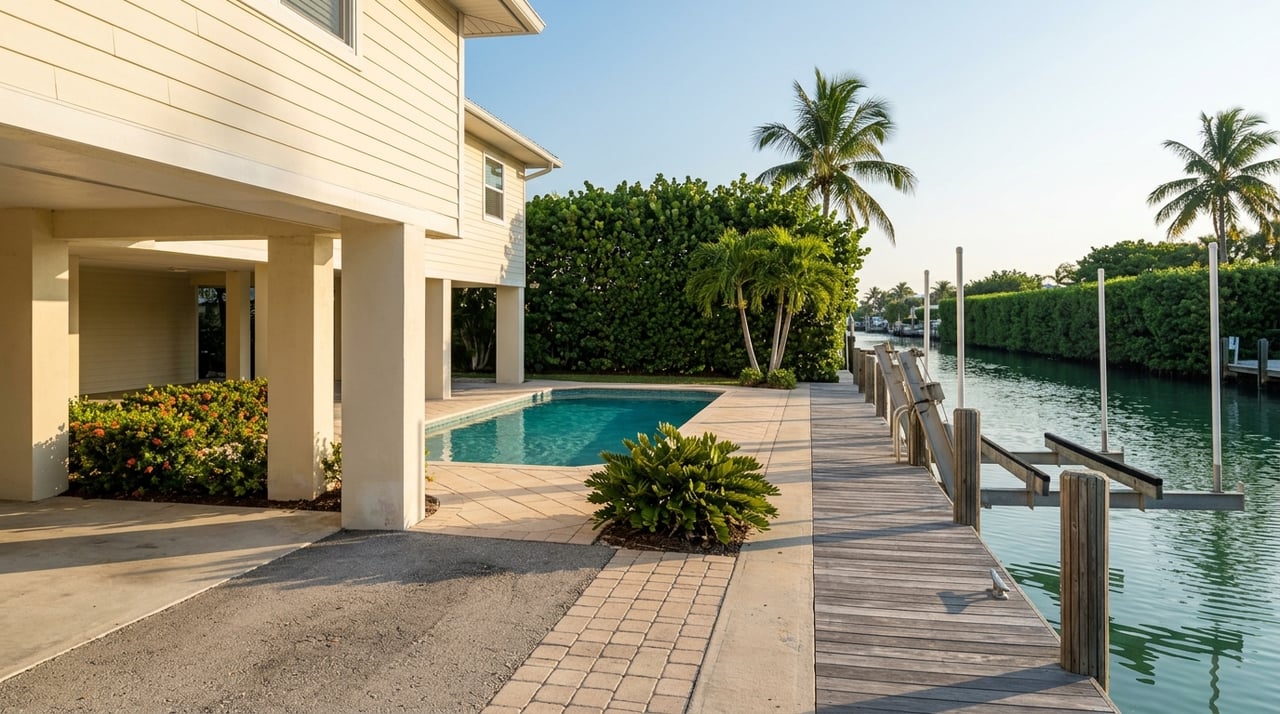
- Dock and seawall repairs often require permits from Monroe County and sometimes state and federal agencies. Work near mangroves, seagrass, or navigable waters can add steps and conditions.
- Maintenance and repairs can be costly. Build a line item for periodic marine contractor work.
Septic versus sewer
- Some properties use septic systems. Coastal septic needs regular pumping and upkeep. In some areas, connection to public sewer is required.
- Check the property’s current status with county utilities and plan for possible conversion costs.
Building code and coastal standards
- Florida Building Code applies throughout the Keys, with higher wind standards for coastal areas. These rules affect renovation costs and timelines.
Environmental protections
- Rules for mangrove trimming, coastal setbacks, and water quality protections can affect landscaping and dock work. Confirm requirements before you plan changes.
Ownership logistics you should expect
Island ownership is joyful, but logistics matter, especially if you live out of area.
- Travel time and costs add up for inspections, maintenance, and turnovers.
- Contractor availability can be tight in island markets. Plan ahead and keep a vetted list of licensed local pros.
- Understand trash, bulk pickup, and recycling schedules, which may differ from mainland routines.
- If you will not be on-island often, consider a caretaking plan or a management service for oversight and emergency response.
Plug-and-play worksheets
Use these templates to build your Sugarloaf Key budget. Replace placeholders with quotes from lenders, insurers, the county, HOAs, and local vendors.
Worksheet 1: Purchase-cost calculator
- Estimated purchase price: $________
- Down payment percent: ________%
- Down payment = Price × Down payment %
- Closing cost percent: 1.5% to 4% (confirm with title and lender)
- Estimated closing costs = Price × Closing cost %
- Initial inspections and mitigation reserve: $________
- HOA or condo initiation/transfer fees: $________
- Total cash to close and settle-in = Down payment + Closing costs + Inspections/mitigation + HOA fees
Worksheet 2: Annual ownership budget
- Mortgage principal and interest: $________
- Property taxes: $________
- Homeowners or wind insurance: $________
- Flood insurance: $________
- HOA or condo dues: $________
- Utilities (electric, water/sewer or septic service, internet/TV): $________ per month × 12
- Routine maintenance reserve: $________ per year
- Landscaping, pest, pool: $________ per year
- Property management or caretaking: $________ per year
- Travel and owner visits: $________ per year
- Storm recovery reserve (deductible plus cushion): $________ per year
- Total annual cost = Sum of all line items above
Tip: Coastal second homes often need a higher maintenance and storm reserve than inland properties. Set this number conservatively.
Worksheet 3: Rent vs hold cashflow
- Average nightly or monthly rate: $________
- Expected occupancy by season: High season ________%, Low season ________%
- Gross rental revenue estimate: $________
- Management fee: % × Gross revenue = $
- Cleaning and turnover: $________
- Utilities during guest stays: $________
- Repairs and replacements: $________
- Taxes and insurance: $________
- Net before mortgage and reserves = Gross revenue − All operating costs
Checklist: Insurance and flood prep
- Obtain homeowners or wind quotes from multiple carriers
- Obtain an NFIP or private flood quote
- Schedule a wind mitigation inspection
- Order or review the elevation certificate
- Confirm hurricane deductible percent and exclusions
- Set target reserves for deductible and emergency repairs
Checklist: Permits and compliance
- Review Monroe County building and environmental requirements
- Check dock, lift, and seawall permits and conditions
- Confirm septic or sewer status and any conversion requirements
- Review HOA or condo rules, budgets, and reserve studies
- Verify short-term rental rules, licenses, and tax registrations
90-day action plan
- Weeks 1–4: Define property type and budget. Get a lender pre-approval and a Loan Estimate. Start insurance quotes and request an elevation certificate if available.
- Weeks 5–8: Price out utilities, HOA dues, and maintenance with local vendors. Collect property management quotes if you plan to rent. Refine storm and maintenance reserves.
- Weeks 9–12: Review permitting history and any needed approvals for docks, lifts, or renovations. Finalize your worksheets and set a target offer range with your agent.
Ready for next steps?
You do not have to build this plan alone. A local, concierge-minded team can help you pull accurate quotes, understand dockage and flood details, and align a home with your goals. When you are ready to explore Sugarloaf Key properties or pressure-test your budget with real listings, connect with Island Welcome Real Estate. We will help you buy with clarity and confidence.
Start your island search with Island Welcome Real Estate.
FAQs
What should Sugarloaf Key buyers budget for insurance?
- Premiums vary by elevation, roof, wind mitigation, and claims history; get multiple quotes for homeowners or wind coverage and flood, and set reserves for the hurricane deductible.
Do second-home owners in the Keys need flood insurance?
- If the property is in a Special Flood Hazard Area and you have a loan, flood insurance is required, and even outside mapped zones it is wise to carry coverage due to surge risk.
How much should I reserve for coastal maintenance and storms?
- Use a robust maintenance reserve plus a storm recovery fund that covers at least your hurricane deductible and typical out-of-pocket repairs for your property type.
Can I rent my Sugarloaf Key home short-term to offset costs?
- Possibly, but confirm Monroe County and HOA or condo rules, register for required transient rental taxes, and budget for higher turnover, management, and compliance costs.
How do flood maps and elevation certificates affect my budget?
- Flood zone and elevation influence flood insurance premiums and can affect building requirements and permits; an elevation certificate helps refine quotes and risk planning.
What Keys-specific upkeep should I plan for with docks and seawalls?
- Expect periodic inspections, corrosion control, and repairs that may require county and other permits; include a marine contractor line item in your annual budget.