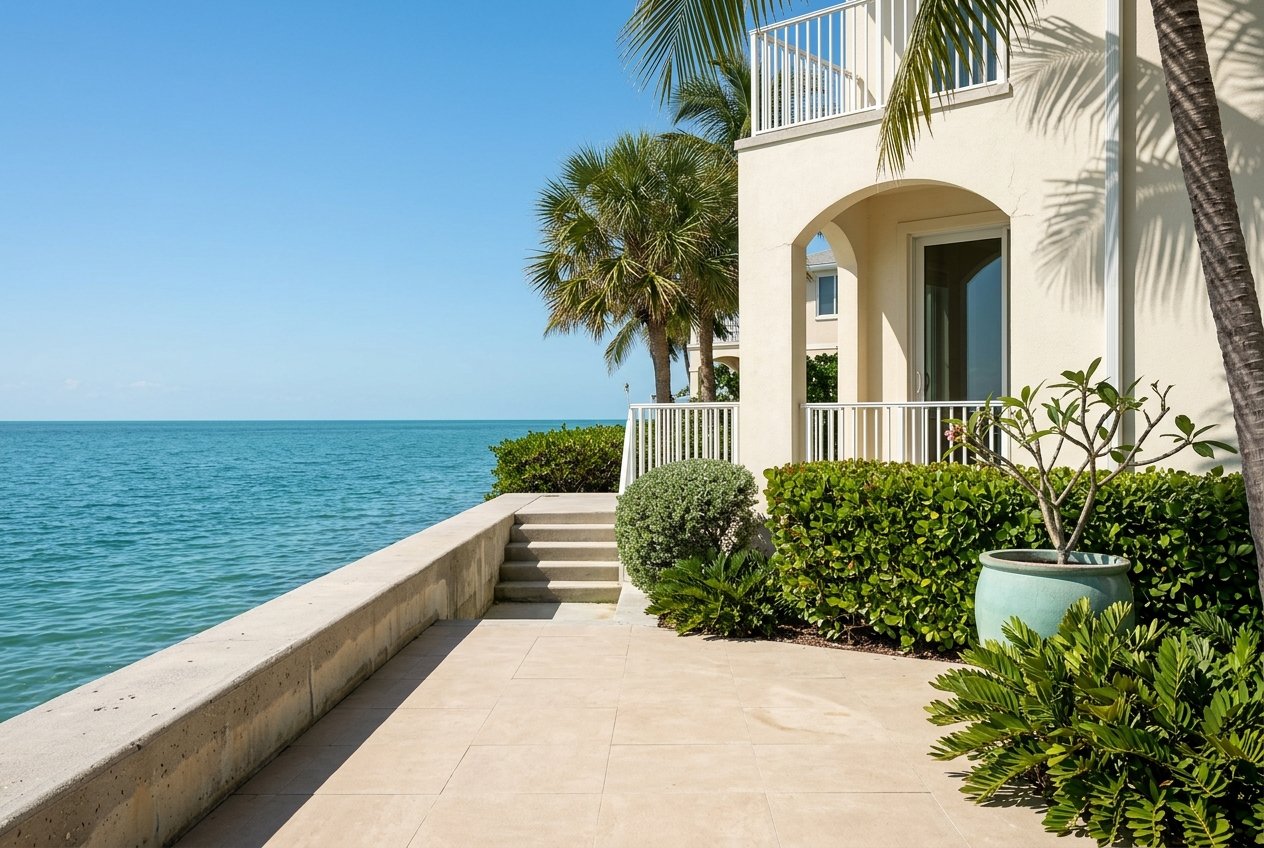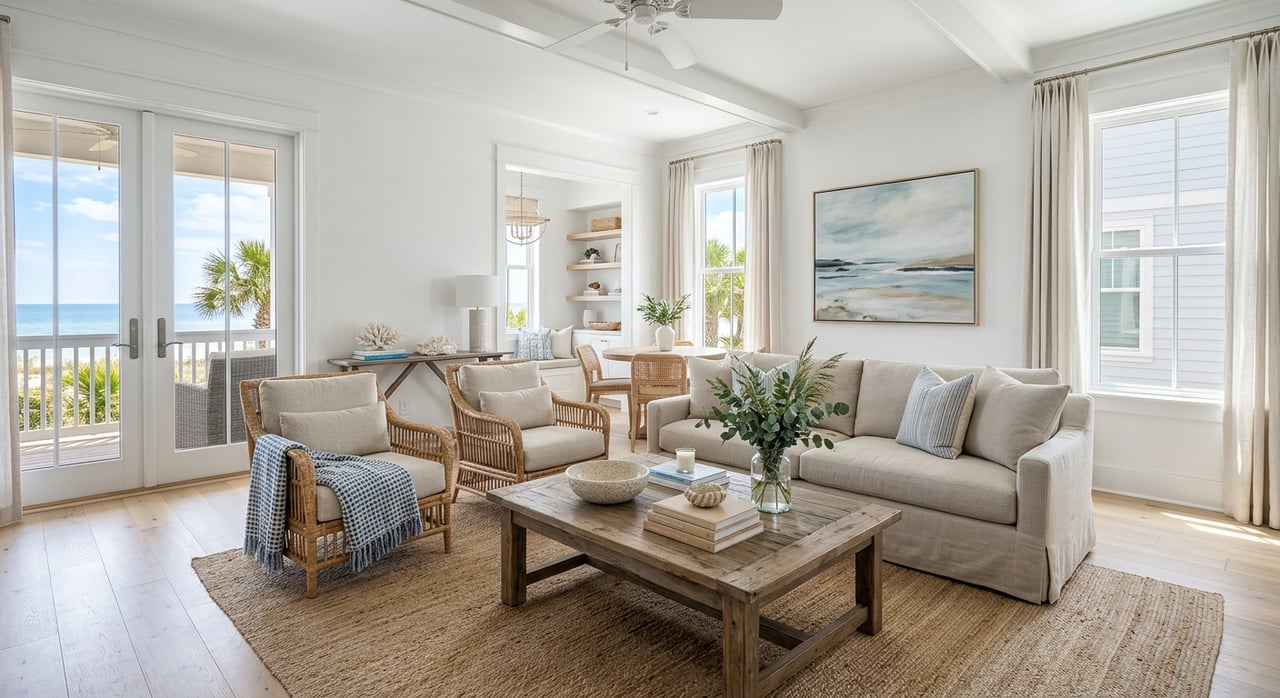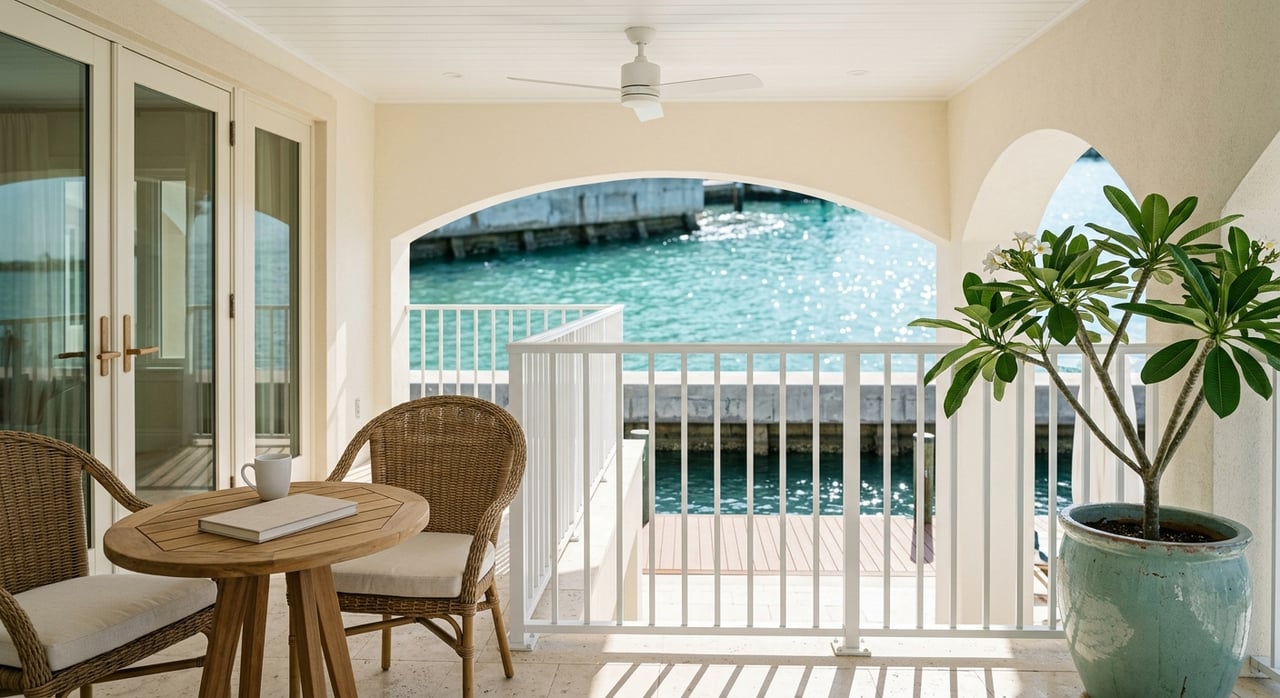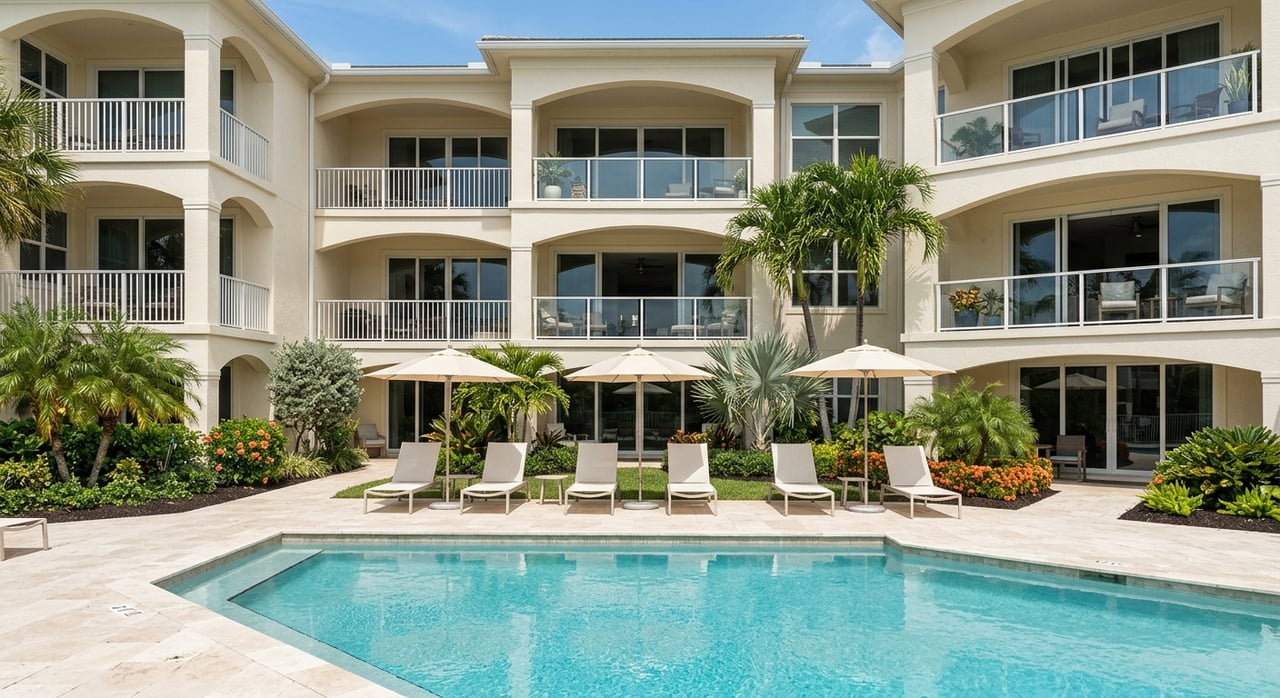
If your perfect day starts on the water, Islamorada makes it easy to turn that dream into everyday life. You might be curious about the local vibe, which islands fit your lifestyle, where to launch a boat, or how flood maps and insurance work here. In this guide, you will learn how the community lives, what amenities you can expect, and the practical steps that help you buy or sell with confidence. Let’s dive in.
Islamorada at a glance
Islamorada is a village of islands in the Upper Florida Keys located along the Overseas Highway, US 1. You will navigate by mile markers, with neighborhoods, marinas, and restaurants clustered along the waterfront. The community blends year‑round residents, retirees, seasonal owners, and a vibrant second‑home market. Expect a friendly, marine‑forward lifestyle with a winter high season.
Lifestyle highlights on the water
Islamorada is a national destination for sportfishing and boating. Marinas, charters, tournaments, and boat ramps support a very active boating culture. The surrounding waters are part of the Florida Keys National Marine Sanctuary, so you enjoy easy access to coral reefs, snorkel and dive sites, and guided eco‑tours. Local etiquette and rules matter, including no‑anchor zones and seagrass protection.
When you want a break from the boat, there are small galleries, outdoor markets, and niche museums. The History of Diving Museum offers a unique look at Keys maritime culture and artifacts.
Neighborhoods and property types
You will find a range of homes across the village’s islands, from canal‑front single‑family homes to condos and luxury waterfront estates. Each area offers a different mix of access and amenities.
Plantation Key and Holiday Isle
Plantation Key includes established neighborhoods, schools, and everyday services. Canal systems provide protected dockage, while some streets back to open water. Holiday Isle offers resorts and waterfront activity. HOA offerings vary, so review association documents closely.
Windley Key
Windley Key is a compact island with quick access to both the ocean side and Florida Bay. You can find canal‑front homes, small condo communities, and close proximity to marinas and watersports operators. Buyers often compare canal width, turning basins, and depth when choosing here.
Upper Matecumbe Key
Upper Matecumbe includes Islamorada’s central dining and retail corridors. Housing ranges from walkable in‑town locations to waterfront properties with private docks. Proximity to restaurants and shops is a plus, and open‑water exposure can add value.
Lower Matecumbe Key
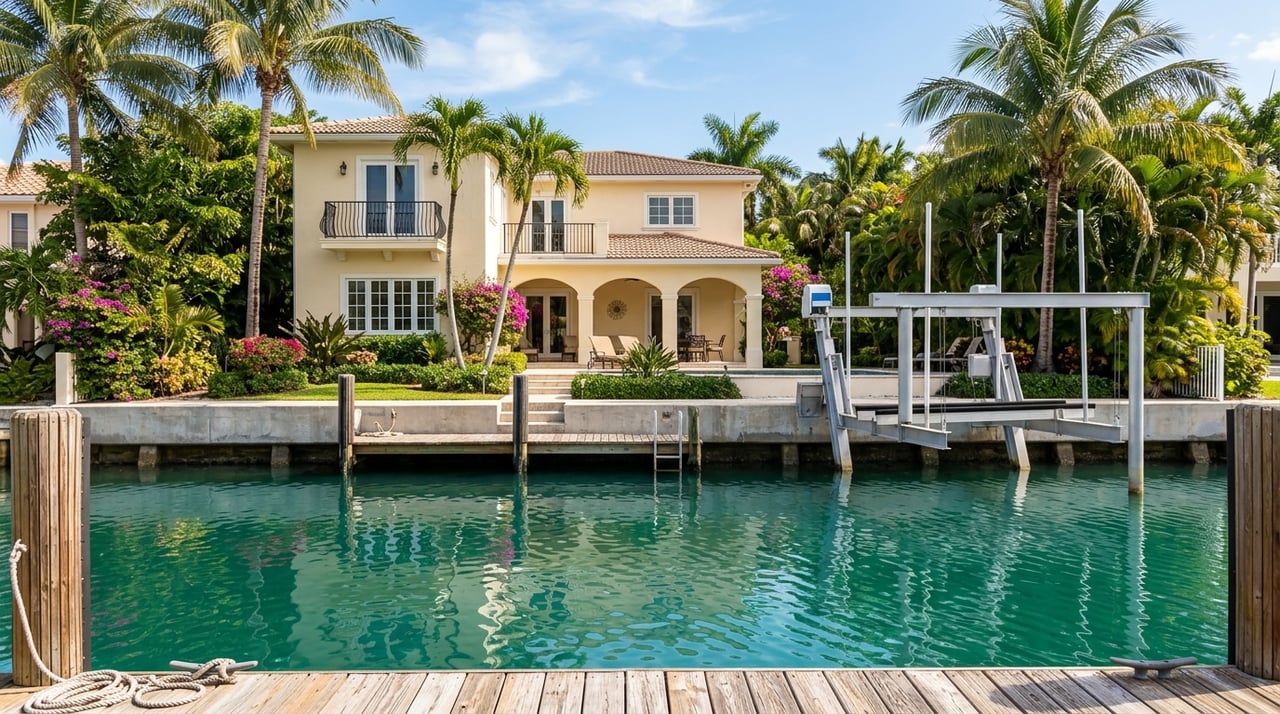
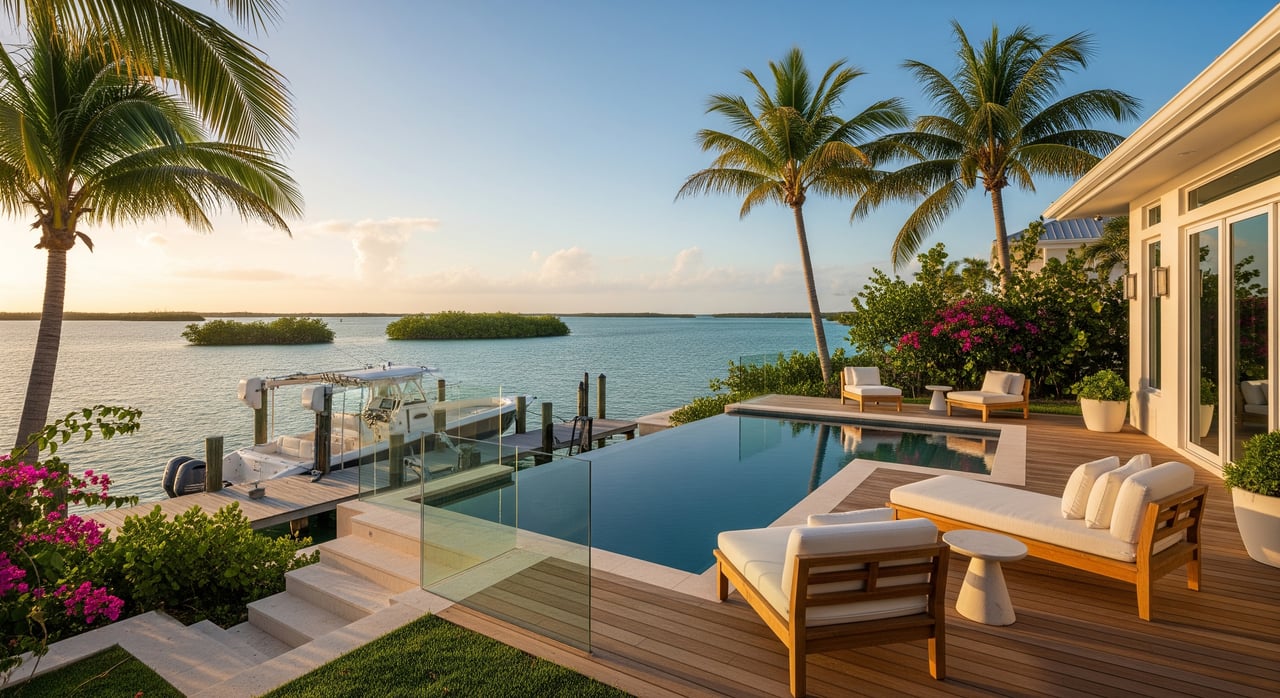
Lower Matecumbe features a quieter feel with larger lots and stretches of open‑water frontage. Many homes prioritize outdoor living with docks, lifts, pools, and tiki areas. Deep‑water access and view corridors are key value drivers in this area.
Waterfront value drivers
Water shapes property value in Islamorada. If boating is part of your life, consider these items as you evaluate options:
- Dockage and depth. True deep‑water access, turning radius, and channel depth matter for larger vessels. A permitted dock and boat lift can command a premium.
- Canal vs open water. Protected canals provide easier docking and storm hold, while open‑water frontage offers big views and quick access to the ocean or bay.
- Seawalls and shoreline. Seawall condition, material, and permits are important for safety and long‑term maintenance planning.
- Elevation and construction. Elevated or higher‑elevation homes can improve flood resilience and may affect insurance costs.
- HOA services. Some communities include dock, seawall, landscaping, and shared insurance in their fees. Request budgets, reserves, and special assessment history.
Everyday services and connections
Schools and education
Islamorada is served by the Monroe County School District. Upper Keys students attend local elementary and K–8 schools, with high school students typically zoned to Coral Shores High. Always verify zoning and bus routes with the Monroe County School District before you buy.
Healthcare and safety
You will find urgent care, primary care, and specialty providers in the Upper Keys, with hospital services in the Tavernier area and wider options in the Miami metro. Hurricane readiness is part of life here. Review evacuation plans and storm timelines with trusted sources such as the National Hurricane Center preparedness guidance.
Shopping, dining, and culture
Everyday staples like groceries, pharmacies, and marine supply stores are convenient along US 1. Islamorada’s dining scene is seafood‑forward and casual, with waterfront bars and popular local spots. Events often center on fishing tournaments and outdoor festivals.
Getting around and utilities
Driving is the primary way to get around. US 1 connects all the Keys, and Miami is the main hub for commercial air travel. Public transit is limited, and biking or walking works best in compact districts. Utilities vary by address, so confirm water, sewer, and trash services, dock power and water, and whether a property uses central sewer or a septic system.
Insurance, flood and storms
Most buyers evaluate flood and wind coverage early in the process. Many Islamorada properties sit in FEMA Special Flood Hazard Areas. Start by checking your address on the FEMA Flood Map Service Center and reviewing any available elevation certificate. Flood insurance is often required for homes with federally backed mortgages in flood zones, and premiums can vary by elevation, construction, and mitigation features.
Windstorm coverage and hurricane deductibles are additional cost factors. The Florida Office of Insurance Regulation oversees market conditions, and some homeowners use the state‑backed Citizens Property Insurance Corporation. Insurers and lenders may ask for wind mitigation credits, roof age and attachments, and proof of shutters or impact‑rated openings.
Prepare for hurricane season by maintaining a written plan, testing shutters and generators, trimming trees, and keeping insurance, elevation, and mitigation documents accessible. Local emergency managers announce evacuation orders when needed, and many owners secure vessels in advance.
Permits, zoning and rentals
Coastal regulations are part of owning in the Keys. New construction, renovations, docks, and seawalls require permits from the village and in some cases state or county agencies. Review current requirements on the Town of Islamorada website and county guidance at Monroe County Government.
Shoreline work often involves environmental rules. Mangroves and seagrass are protected resources, and alterations typically require authorization. Explore the state’s overview of rules and permits through the Florida Department of Environmental Protection’s mangrove resources.
Short‑term rentals are regulated locally and usually require licensing and tax compliance. Before you buy with rental goals, confirm the property’s zoning, whether transient rentals are allowed, and the steps to obtain or transfer licenses through the Town of Islamorada.
Buyer and seller checklists
For buyers
- Request an elevation certificate, wind mitigation report, and four‑point inspection where applicable.
- Verify dock and seawall permits, depth, and access to ocean or bay, including any bridge or draft limits.
- Review association budgets, reserves, insurance coverage, and special assessment history for condos or HOAs.
- Obtain insurance quotes early for flood and wind coverage, and share them with your lender before finalizing offers.
- Confirm utility details, including sewer connection, septic system status, and any grinder pump maintenance.
For sellers
- Gather documentation, including elevation certificates, dock and seawall permits, repair and mitigation records, and HOA documents.
- Disclose any past storm or flood damage and provide receipts for repairs and upgrades.
- Consider timing. High season can bring more showings, while off‑season buyers may be more focused and local.
- Prep for inspections. Service HVAC, clean and inspect roofs and gutters, and ensure shutters and lifts are operational.
- Present the lifestyle. Tidy docks and outdoor spaces, provide navigation notes, and highlight nearby marinas and parks.
When to buy or sell
Seasonality shapes activity in Islamorada. Demand often rises in fall and winter as seasonal residents arrive, which can compress time on market for the most sought‑after waterfront properties. Summer can bring motivated buyers and sellers who want to move before the next season begins. The right timing depends on your goals, the specific island and neighborhood, and current inventory.
Ready to explore Islamorada?
Your ideal Keys home should fit the way you live on the water. Whether you want a protected canal for your center‑console or an open‑water view with quick ocean access, a local, concierge approach makes a difference. When you are ready to talk through dockage, insurance, and neighborhood fit, reach out to Island Welcome Real Estate. We will guide you step by step, from first showing to closing day, so you can settle into island life with confidence.
FAQs
What is Islamorada best known for?
- Islamorada is known for world‑class sportfishing, easy access to reefs within the Florida Keys National Marine Sanctuary, and a relaxed, marine‑centric lifestyle.
Are Islamorada homes in flood zones insurable and financeable?
- Often yes, but terms vary by elevation, construction, and zone; check the FEMA Flood Map Service Center, get quotes, and confirm lender requirements.
How do short‑term rental rules work in Islamorada?
- Rentals are regulated by local ordinances and licensing, so verify zoning and permit steps with the Town of Islamorada before buying with rental plans.
Which inspections matter most for Keys waterfront homes?
- Request a dock and seawall evaluation, elevation certificate, wind mitigation and four‑point reports, and a roof and fastener review for insurance credits.
How should I prepare a home for hurricane season in the Keys?
- Maintain shutters or impact glass, service generators, store a written plan and key documents, and follow National Hurricane Center preparedness guidance.