Thinking about selling your second home on Duck Key? In a market where buyers have options and often shop from out of town, a simple "list it and wait" plan usually is not enough. If you want a smoother sale and a stronger result, it helps to understand how Duck Key buyers think, what they notice first, and how local timing, flood questions, and presentation can shape your outcome. Let’s dive in.
Why Duck Key needs a smart selling plan
Duck Key is not a typical mainland market. It sits in the Florida Keys corridor along the Overseas Highway, with resort-style appeal shaped by boating, waterfront living, and easy access for travelers arriving by car or major U.S. airlines serving the region.
That lifestyle draw is a big advantage, but it also means buyers tend to compare homes carefully. On Duck Key, they are often not just buying square footage. They are buying ease of ownership, water access, outdoor living, and confidence in the property’s condition.
Recent public market snapshots also point to a slower, more negotiable market. Redfin reported a median sale price of $1,031,383 and 269 median days on market for the three months ending May 2026, while Realtor.com’s June 2026 snapshot showed a median listing price of $850,000, a median sold price of $925,000, 110 median days on market, and a 93% sale-to-list ratio.
The numbers come from different methodologies, but they point in the same direction. Pricing discipline, strong presentation, and a well-managed launch matter on Duck Key.
Price your Duck Key home realistically
If you start too high, you can lose momentum with serious buyers. In a market where homes may take 110 to 269 days to sell, overpricing can make buyers pause, wait, and negotiate harder later.
Second-home buyers on Duck Key often do their homework before they ever book a showing. They may compare your property against other waterfront or resort-style options and look closely at what makes daily ownership easier or more costly.
A strong pricing strategy should reflect the property you actually have, not just the one you hope buyers imagine. Features like dockage, boat access, storage, outdoor living areas, and visible storm readiness can shape value, but they still need to be framed within current market conditions.
Lead with waterfront function
On Duck Key, waterfront appeal is about more than a pretty view. Buyers often want to know how the property works for real life, especially if they plan to boat, fish, entertain, or use the home seasonally.
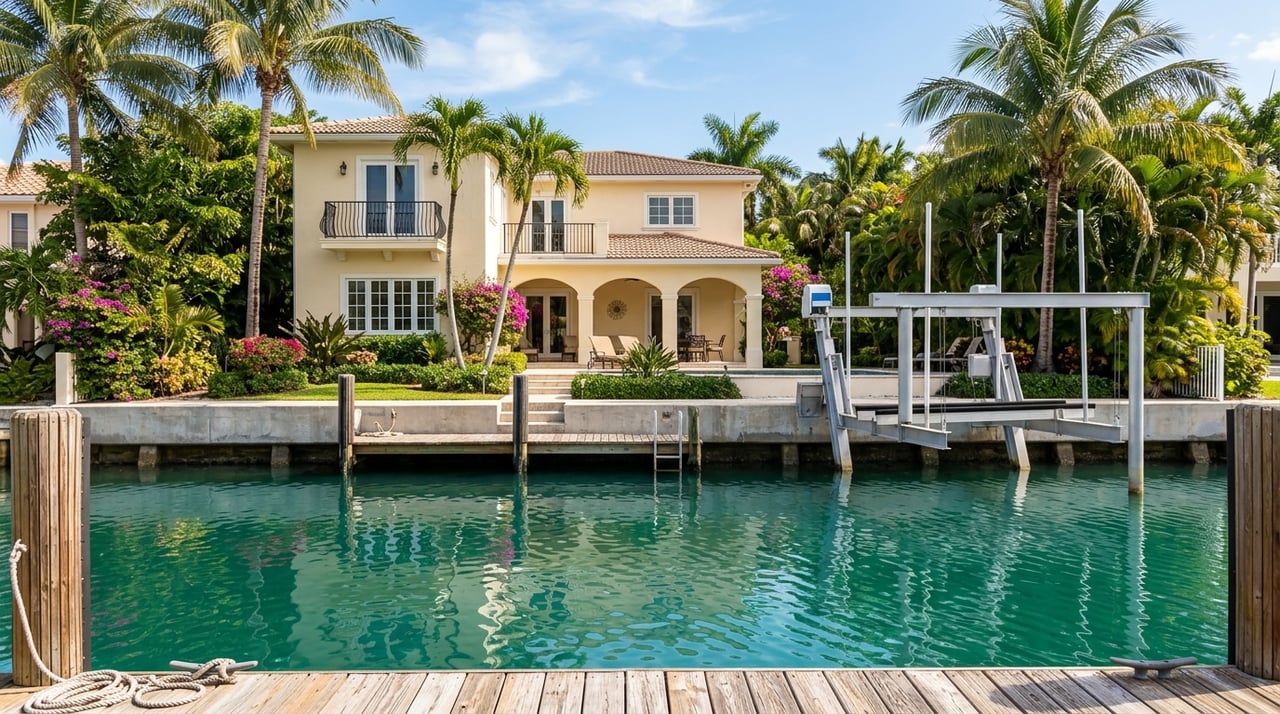
That means your listing should clearly explain the practical side of the property. Buyers may look for information about dockage, boating access, storage, outdoor living space, and how turnkey the home feels.
If those details are vague, buyers may assume the property needs more effort than it actually does. Clear, specific marketing can reduce uncertainty and keep buyers engaged.
What buyers often notice first
When buyers evaluate a Duck Key second home, they often focus on:
- Waterfront utility and dock setup
- Outdoor living spaces
- Storage for gear and boating needs
- Visible storm readiness
- Ease of maintenance
- Whether the home feels move-in ready
These points help buyers picture ownership, not just a visit. That is especially important in a resort-style market.
Make flood and storm questions easy to answer
Flood risk is part of owning property in the Keys, and buyers know it. Monroe County notes that the Keys’ low elevations create flood risk, and changes to flood maps can affect construction standards and insurance costs.
That is why flood questions should never be treated like a side issue. They are often central to how a buyer judges value, carrying costs, and comfort with the purchase.
Florida also requires sellers to provide the flood-disclosure form before the sales contract is executed. In addition, sellers must still disclose known material or latent defects even if the property is sold as-is.
The more organized you are, the easier it is for a buyer to move forward. Helpful documents may include flood disclosure, known-defect information, insurance details, and any permit or flood-map documentation that explains the property’s condition and risk profile.
Why preparation builds confidence
Buyers do not expect a waterfront property to be risk-free. What they want is a straightforward picture of the property and a seller who is prepared.
When you can answer questions early, you reduce surprises later. That can help inspections, negotiations, and contract timelines feel more manageable for everyone involved.
Time your sale around buyer behavior
Timing matters in the Florida Keys because buyer traffic is seasonal. Winter and spring are the area’s most popular seasons, while summer and fall usually bring fewer crowds and a higher chance of rain or storms.
NOAA says Atlantic hurricane season runs from June 1 through November 30. For many second-home sellers, late fall through spring offers the easiest window to showcase the island lifestyle to traveling buyers.
That does not mean you cannot sell in summer or fall. It means your expectations and strategy may need to adjust, especially if you are waiting on the right buyer instead of the fastest one.
Best listing windows to consider
A practical timing plan often looks like this:
- Late fall to spring: Strongest lifestyle appeal and easier buyer travel patterns
- Summer: Fewer crowds, but often more selective traffic
- Fall: Can still work, though weather risk and storm concerns may affect momentum
The best timing depends on your goals, property condition, and flexibility. Still, seasonality is a real factor on Duck Key.
Use visuals that match the market
In a scenic, water-centered destination, generic listing photos rarely do enough. Duck Key buyers often begin their search online, and many are comparing homes from outside the area before they ever schedule travel.
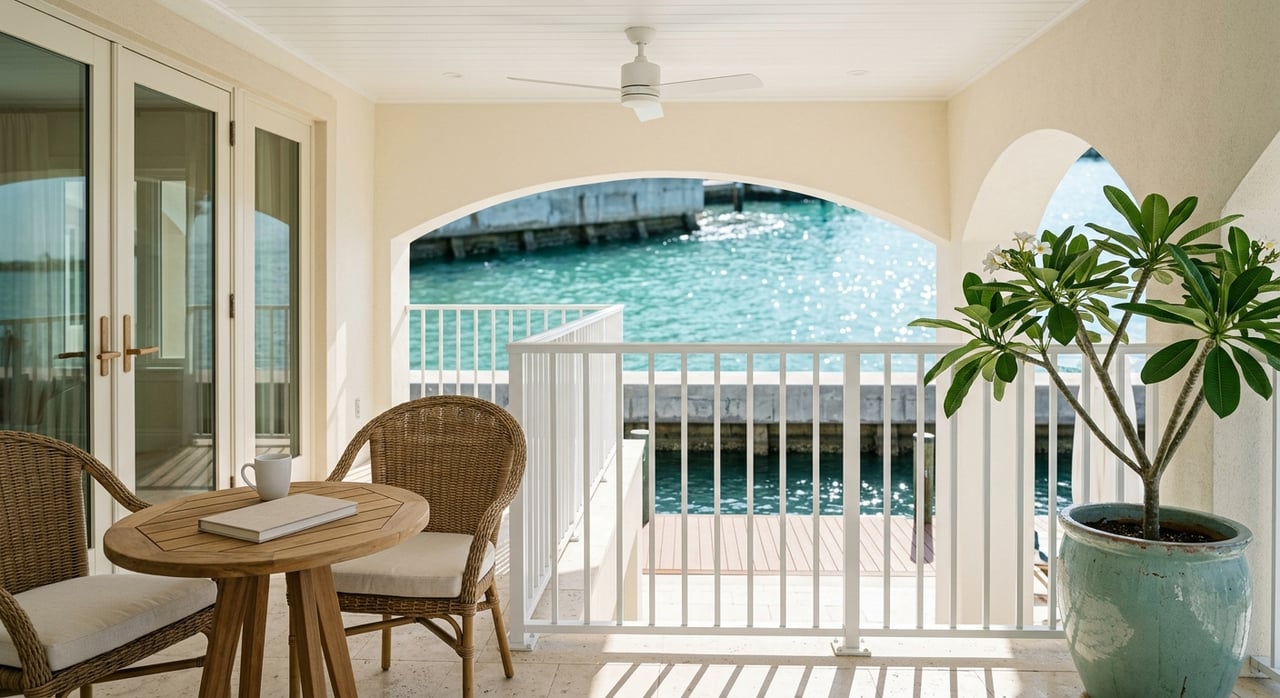
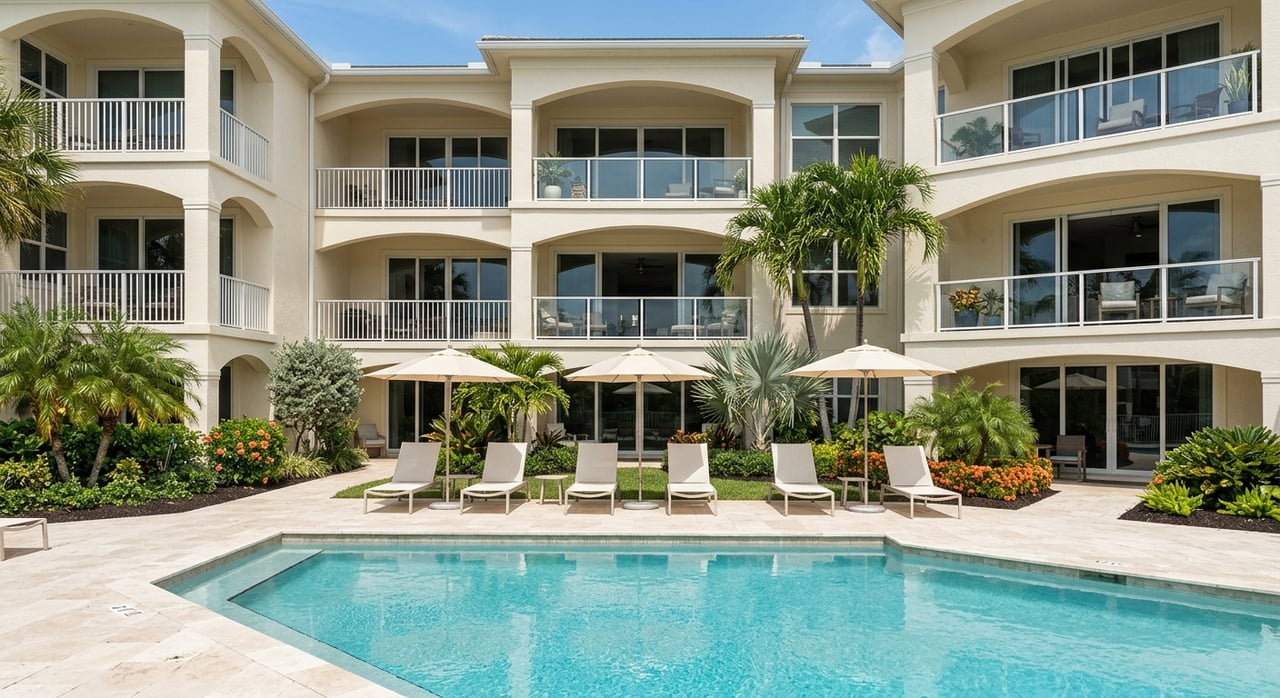
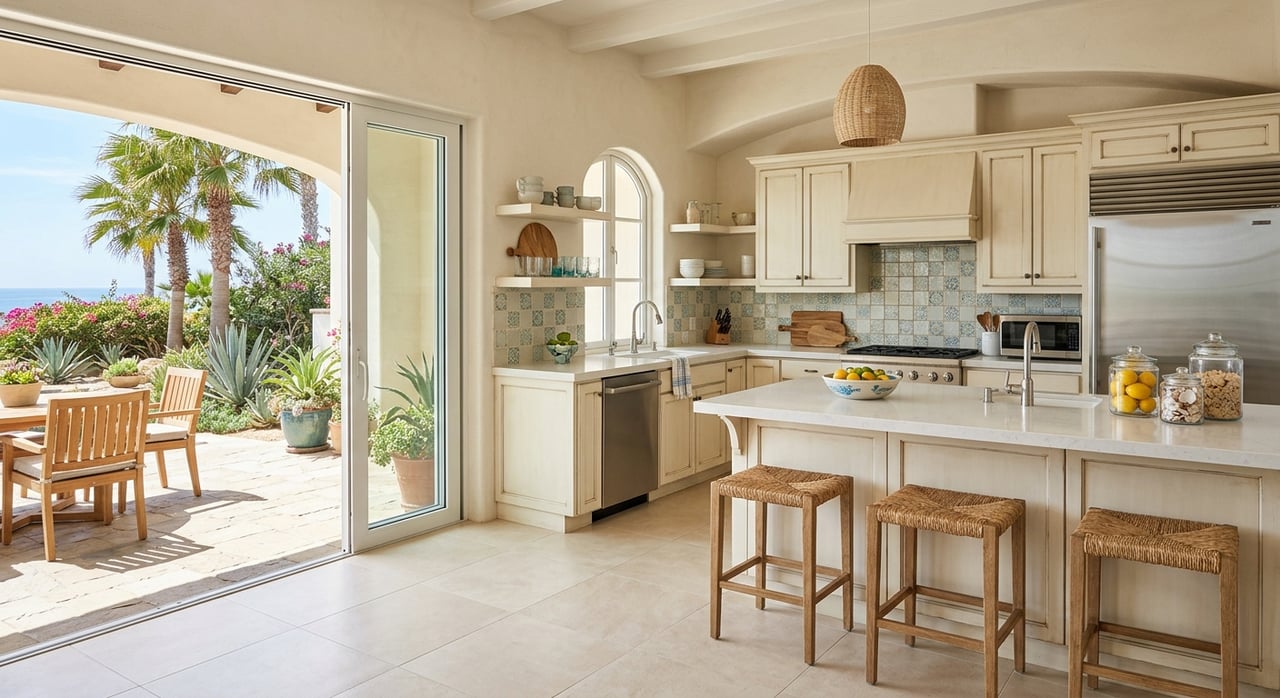
That is why premium visual marketing can make a real difference. Drone photography, twilight images, video walkthroughs, and clean interior staging are likely to outperform basic listing images in a market shaped by boating, resort appeal, and waterfront recreation.
Presentation should help buyers understand both the look and the function of the property. They should be able to see the setting, outdoor living areas, waterfront orientation, and how the home supports the island lifestyle.
Plan for remote and out-of-area buyers
Many second-home buyers are not local when they begin shopping. Since the Florida Keys attract travelers from the mainland and beyond, your sale may depend on how well the property is explained online before someone ever arrives in person.
That means your marketing should answer practical questions clearly. Buyers often want to understand location, flood profile, maintenance load, seasonal usability, and whether the home is truly turnkey.
Travel logistics also matter. The official tourism office notes that the Overseas Highway can get congested at peak travel times, so easy-to-review property information can help buyers decide whether a trip is worth making.
What remote buyers need from a listing
Out-of-area buyers are often helped by:
- Clear property details and honest descriptions
- Strong photos and video walkthroughs
- Straightforward communication about condition and ownership demands
- Easy access to disclosure documents and property background
- A simple showing plan if they are traveling in
If your buyer is making decisions from a distance, clarity becomes part of the value you offer.
Watch the details that can affect showings
Island logistics can shape your timeline more than you might expect. If bridge work or access timing could affect photographers, contractors, inspections, or buyer showings, it helps to account for that before your listing goes live.
Monroe County’s Duck Key bridge updates page shows ongoing bridge projects and notes that Florida legal loads can cross all Duck Key bridges. Even so, a smart launch plan should leave room for access timing and scheduling coordination.
Storm planning also matters. Monroe County says its Tourist Development Council coordinates with Emergency Management to help visitors exit safely during hurricane threats, which supports having a clear storm communication plan for active listings and traveling buyers.
Understand the tax angle of a second home
If you are selling a second home, tax status may affect how you think about ownership history and buyer questions. In Monroe County, homestead status applies to a primary residence, while the non-homestead cap applies automatically to property that does not qualify for homestead and resets when ownership or use changes.
That means a Duck Key second home is generally a non-homestead property unless it became your primary residence. Buyers may not need a full tax lesson, but they often appreciate clear, factual information about the property’s current use and status.
A better sale starts before listing day
The best Duck Key sales are usually built before the listing ever hits the market. That means setting a realistic price, organizing disclosures, preparing for flood and insurance questions, and presenting the home in a way that matches what second-home buyers actually value.
In a market where homes can take time to sell and buyers often come from outside the area, details matter. When you combine clear information, strong visuals, and a plan shaped around island ownership, you give your property a better chance to stand out for the right reasons.
If you are getting ready to sell a second home on Duck Key, working with a team that understands waterfront value, out-of-area buyers, and the rhythm of the Keys can make the process feel much more manageable. To plan your next move with local insight and concierge-style support, connect with Island Welcome Real Estate.
FAQs
How long does it take to sell a second home on Duck Key?
- Recent public data suggests homes are not moving especially fast, with reported median days on market ranging from about 110 to 269 days depending on the source and methodology.
When is the best time to list a Duck Key second home?
- Winter and spring are usually the most popular seasons in the Florida Keys, which often makes them the easiest time to market island lifestyle to traveling buyers.
What disclosures matter when selling a second home in Duck Key?
- Florida requires the flood-disclosure form before the sales contract is executed, and sellers must also disclose known material or latent defects, even in an as-is sale.
What do buyers look for in a Duck Key waterfront home?
- Buyers often focus on dockage, boat access, outdoor living space, storage, storm readiness, maintenance needs, and whether the home feels turnkey.
Does homestead status apply to a Duck Key second home?
- In Monroe County, homestead status is tied to a primary residence, so a second home is generally considered non-homestead unless it became the owner’s primary residence.
Why does marketing matter so much for a Duck Key second home sale?
- Because many buyers start from out of town, strong visuals, clear property details, and straightforward information about ownership and waterfront function can help your home stand out early.